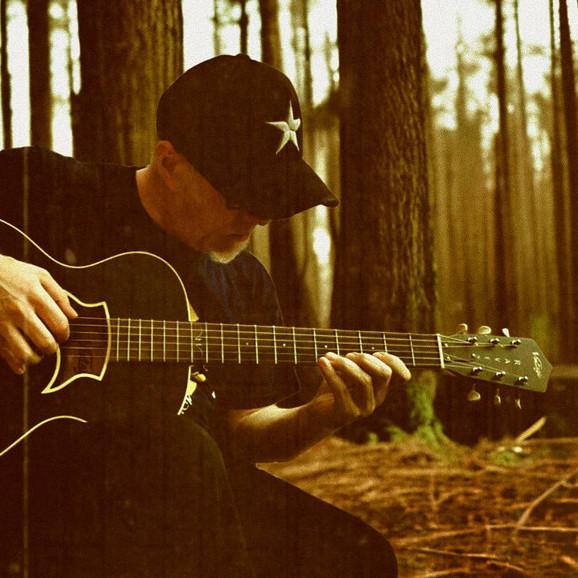
Junkyard Choir

Rock
Alternative Rock
Americana/Alt Country
 Viberate Rank: 499940
 Viberate Rank: 499940
 Monthly ListenersFollowers
 Subscribers
 Followers
 Followers
 FansTop Spotify Songs
| Track | 7-Day Streams | |
|---|---|---|
1 | 297 | |
2 | 296 | |
3 | 181 | |
4 | 78 | |
5 | 54 |
Top YouTube VideosMonthly ListenersFeatured in Playlists| Playlist | Followers | |
|---|---|---|
1 |  Dirty Blues Swamp Rock Roadtrip dogonthegrass-gb | 8.63K |
2 |  Bayou Music Louise M V Hallmann | 3.31K |
3 |  Swamp blues/rock jan | 3.17K |
4 |  Southern Gothic, Western Gothic, Country Blues, Dark Country, Western Ambience , Y'allternative Ben Styles | 2.25K |
5 |  Heavy Blues and Swamp Rock Rolex | 1.59K |
Audience| City | Monthly Listeners | |
|---|---|---|
1 |  | 25 |
2 | | 19 |
3 | | 14 |
4 | | 14 |
5 | | 13 |
See full performance history, audience data, playlist activity, rankings, comparisons, and more in Viberate music analytics. Start with a free trial, then continue with a paid plan.
Junkyard Choir’s Spotify BioThe band from southern England play a home-brewed style of gritty, bluesy, ragged, soulful rock n roll.
Formed by lead vocalist and guitarist Mark Woods in 2014 (ex-Do Me Bad Things – signed to Atlantic Records in 2005), the band recorded their first two albums as a duo, featuring Woods and long-time drummer Tom Herbert. The band released their debut full-length, “Let Sleeping Dogs Lie” in 2015 which was followed by 2018's “Trouble In Mind”, both albums recorded and produced by Gavin Kinch behind a kebab shop in a tiny Croydon studio.
In 2019, Herbert left the band to reside in Switzerland and was replaced by Matt Ainsworth of local stoner rockers Trevor's Head. The band expanded during the next few years incorporating bass (David Holdstock & Kevin Hiscox), saxophone (Jackie Taylor), organ/piano (Dan Mulchay) and three backing vocalists (Chantelle Bartlett, Jenny Lawrence and Tanya Pemberton) for the band's 2023 LP, “Wild Ones Never Die”.
During the recording of the album, the band went… through a carousel of musicians with Joe Flynn (guitar) and Bob Ainsworth (bass) joining as permanent members. Following the release of “Wild Ones Never Die,” the band played a sold out show at The Sound Lounge in Sutton.
Junkyard Choir are Mark Woods (vocals and guitar), Matt Ainsworth (drums),) Bob Ainsworth (bass) & Joe Flynn (guitar).
Viberate is a music analytics platform built for A&Rs, artist managers, labels, booking agents, marketers, and artists.
It helps music professionals track artist growth, analyze audience data, monitor playlist activity, compare artists, follow song performance, and identify opportunities across the music market.
Public artist pages provide a free preview of selected artist data. Paid plans provide access to deeper analytics, historical data, charts, comparisons, playlist tools, exports, alerts, reports, and additional professional features.
Yes. Public Viberate artist pages provide selected artist analytics and music data for free.
Viberate also offers a 7-day free trial of the full platform. A credit card is required to start the trial. The trial includes access to the complete product so users can test deeper artist analytics, historical views, playlist insights, comparisons, charts, exports, alerts, and reporting features before choosing a paid plan.
Viberate provides artist analytics across streaming, playlists, social media, video, radio airplay, songs, and audience markets.
Users can analyze Spotify performance, Spotify and Apple Music playlists, YouTube activity, TikTok and Instagram growth, radio spins, song performance, audience locations, demographics, rankings, and overall artist momentum.
Artist profiles also connect to music charts, similar artists, and comparison tools, helping users benchmark performance and evaluate artists in context.
Viberate updates key artist and track data daily.
For followed artists and tracks, selected data is refreshed multiple times per day. This helps teams monitor playlist changes, streaming movement, audience growth, releases, and campaign performance with more current data.
Update frequency can vary depending on the metric and data source.
Yes. Viberate lets users compare up to five artists side by side across streaming, social media, audience, and engagement metrics.
Users can compare fanbase growth, audience demographics, locations, Spotify performance, social metrics, and other artist data over selected time periods.
Artist comparison can be used for A&R scouting, benchmarking, booking decisions, campaign planning, and evaluating artists with similar audiences or market positions.