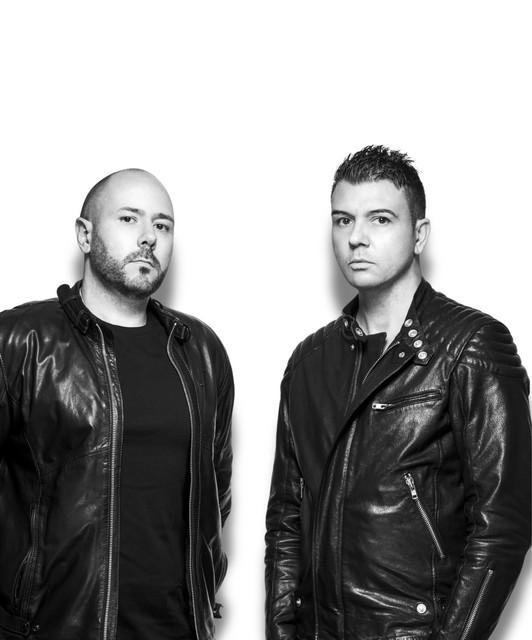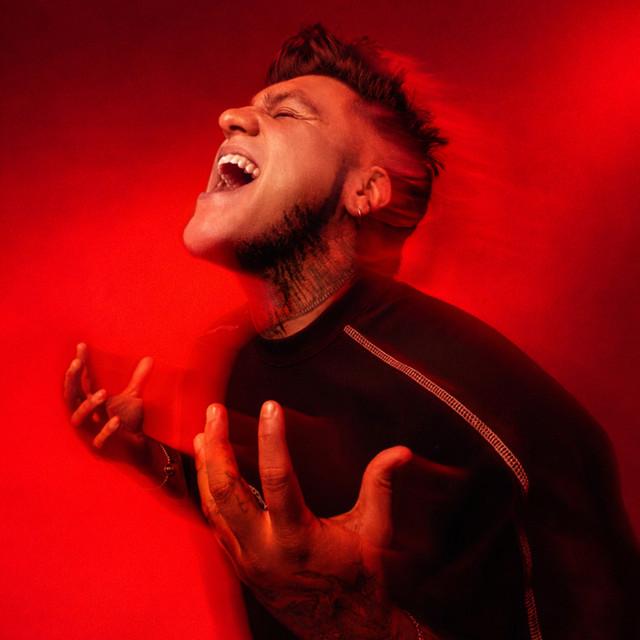
Junkie Kid

Electronic
Hard Techno
Hardstyle/Hardcore
 Viberate Rank: 19090
 Viberate Rank: 19090
 Monthly ListenersFollowers
 Subscribers
 Followers
 Followers
 FansTop Spotify Songs
| Track | 7-Day Streams | |
|---|---|---|
1 | 785.55K | |
2 | 43.79K | |
3 | 41.11K | |
4 | 27.17K | |
5 | 18.57K |
Top YouTube Videos| Video | 7-Day Views | |
|---|---|---|
1 | 196.93K | |
2 | 128.84K | |
3 | 13.71K | |
4 | 7.70K | |
5 | 5.09K |
Monthly ListenersFeatured in Playlists| Playlist | Followers | |
|---|---|---|
1 |  mint Latin Spotify | 1.72M |
2 |  Hardstyle Bangers Spotify | 1.58M |
3 |  Tomorrowland Official Playlist Dimitri Vegas & Like Mike | 1.40M |
4 |  MÚSICA ELECTRONICA & DANCE 2026 🔥🔥🔥 Filtr Éxitos | 911.08K |
5 |  Gym Hardstyle 2026 💪 Top 100 Otaku | 835.39K |
Audience| City | Monthly Listeners | |
|---|---|---|
1 | | 35.79K |
2 |  | 30.28K |
3 |  | 26.97K |
4 |  | 22.36K |
5 |  | 22.29K |
See full performance history, audience data, playlist activity, rankings, comparisons, and more in Viberate music analytics. Start with a free trial, then continue with a paid plan.
Junkie Kid’s Spotify BioJUNKIE KID – The Paradox Entity
Born in Mexico, Junkie Kid is more than just a DJ and producer—he is The Architect of the
Impossible, a figure that exists between dimensions, bending sound into paradoxes. His
music is a ritual, a gateway into a reality where time fractures and perception warps.
From an early age, he was drawn to the hypnotic power of dance music, inspired by legends
like Mauro Picotto, DJ Quicksilver, and DJ Sammy. By 16, he wasn’t just consuming music—
he was reshaping it. Over the years, he explored techno, trance, hardstyle, and house, but his
true identity emerged when he forged Neo-Hard House—a brutal fusion of hardstyle, house,
and haunting melodies.
The Paradox Awakens
As the lines between reality and distortion blur, Junkie Kid continues to evolve. His latest hard
techno-driven releases like "The Chant" and "Woops" have dominated 1001Tracklists’ Top
Tracks of 2024, solidifying his position at the forefront of the underground’s new wave.
With major collaborations, an… upcoming debut at Tomorrowland 2025, and a growing
legion of disciples in the Menace Mafia, the Paradox Entity is just getting started.
Reality is an illusion. Sound is the key. Welcome to PARADOX.
Viberate is a music analytics platform built for A&Rs, artist managers, labels, booking agents, marketers, and artists.
It helps music professionals track artist growth, analyze audience data, monitor playlist activity, compare artists, follow song performance, and identify opportunities across the music market.
Public artist pages provide a free preview of selected artist data. Paid plans provide access to deeper analytics, historical data, charts, comparisons, playlist tools, exports, alerts, reports, and additional professional features.
Yes. Public Viberate artist pages provide selected artist analytics and music data for free.
Viberate also offers a 7-day free trial of the full platform. A credit card is required to start the trial. The trial includes access to the complete product so users can test deeper artist analytics, historical views, playlist insights, comparisons, charts, exports, alerts, and reporting features before choosing a paid plan.
Viberate provides artist analytics across streaming, playlists, social media, video, radio airplay, songs, and audience markets.
Users can analyze Spotify performance, Spotify and Apple Music playlists, YouTube activity, TikTok and Instagram growth, radio spins, song performance, audience locations, demographics, rankings, and overall artist momentum.
Artist profiles also connect to music charts, similar artists, and comparison tools, helping users benchmark performance and evaluate artists in context.
Viberate updates key artist and track data daily.
For followed artists and tracks, selected data is refreshed multiple times per day. This helps teams monitor playlist changes, streaming movement, audience growth, releases, and campaign performance with more current data.
Update frequency can vary depending on the metric and data source.
Yes. Viberate lets users compare up to five artists side by side across streaming, social media, audience, and engagement metrics.
Users can compare fanbase growth, audience demographics, locations, Spotify performance, social metrics, and other artist data over selected time periods.
Artist comparison can be used for A&R scouting, benchmarking, booking decisions, campaign planning, and evaluating artists with similar audiences or market positions.