Junie Morrison

R&B
Funk
 Viberate Rank: 226516
 Viberate Rank: 226516
 Monthly ListenersFollowers
 Subscribers
 Followers
 Followers
 FansTop Spotify Songs
| Track | 7-Day Streams | |
|---|---|---|
1 | 5.41K | |
2 | 463 | |
3 | 218 | |
4 | 132 | |
5 | 106 |
Top YouTube VideosMonthly ListenersFeatured in Playlists| Playlist | Followers | |
|---|---|---|
1 |  Old School Lowrider Funk Rick Plant | 64.17K |
2 |  Songs and Their Samples Aidan Joyce | 52.71K |
3 |  Kanye West - The Samples Starfish & Coffee | 50.25K |
4 |  BEST RAP SAMPLES EVER Swooboobler | 46.93K |
5 |  Sampled by Ye Still Drew | 43.26K |
Audience| City | Monthly Listeners | |
|---|---|---|
1 | | 380 |
2 | | 374 |
3 |  | 331 |
4 | | 291 |
5 | | 263 |
See full performance history, audience data, playlist activity, rankings, comparisons, and more in Viberate music analytics. Start with a free trial, then continue with a paid plan.
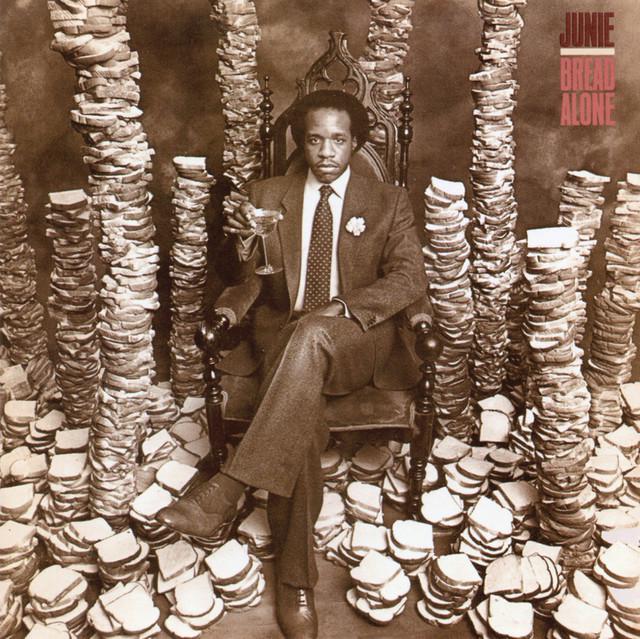
Junie Morrison’s Spotify BioOnce described by none other than George Clinton as "the most phenomenal musician on the planet," Walter "Junie" Morrison recorded several albums of his own but made his mark assembling some of the biggest funk extravaganzas of the 1970s and '80s, from the Ohio Players' first number one R&B hit ("The Funky Worm") to Funkadelic's One Nation Under a Groove to Clinton's own Computer Games. A multi-instrumentalist, vocalist, songwriter, producer, and arranger, Morrison came from Dayton, Ohio, and debuted with hometown heroes the Ohio Players on 1971's Pain LP. He also appeared on 1973's Ecstacy and constructed their 1974 hit "The Funky Worm" (virtually by himself), then gained his own contract with Westbound. Within two years, he'd released three albums: 1975's When We Do and Freeze were followed by Suzie Super Groupie in 1976. Morrison joined the P-Funk machine shortly after, appearing on most of the conglomeration's work from 1978 until 1981. He also recorded LPs for Columbia (1980's… Bread Alone) and Island (1984's Evacuate Your Seats), and was a frequent contributor to Clinton's solo releases and those by the P-Funk All Stars. Morrison died in February 2017 at the age of 62. ~ John Bush, Rovi
Viberate is a music analytics platform built for A&Rs, artist managers, labels, booking agents, marketers, and artists.
It helps music professionals track artist growth, analyze audience data, monitor playlist activity, compare artists, follow song performance, and identify opportunities across the music market.
Public artist pages provide a free preview of selected artist data. Paid plans provide access to deeper analytics, historical data, charts, comparisons, playlist tools, exports, alerts, reports, and additional professional features.
Yes. Public Viberate artist pages provide selected artist analytics and music data for free.
Viberate also offers a 7-day free trial of the full platform. A credit card is required to start the trial. The trial includes access to the complete product so users can test deeper artist analytics, historical views, playlist insights, comparisons, charts, exports, alerts, and reporting features before choosing a paid plan.
Viberate provides artist analytics across streaming, playlists, social media, video, radio airplay, songs, and audience markets.
Users can analyze Spotify performance, Spotify and Apple Music playlists, YouTube activity, TikTok and Instagram growth, radio spins, song performance, audience locations, demographics, rankings, and overall artist momentum.
Artist profiles also connect to music charts, similar artists, and comparison tools, helping users benchmark performance and evaluate artists in context.
Viberate updates key artist and track data daily.
For followed artists and tracks, selected data is refreshed multiple times per day. This helps teams monitor playlist changes, streaming movement, audience growth, releases, and campaign performance with more current data.
Update frequency can vary depending on the metric and data source.
Yes. Viberate lets users compare up to five artists side by side across streaming, social media, audience, and engagement metrics.
Users can compare fanbase growth, audience demographics, locations, Spotify performance, social metrics, and other artist data over selected time periods.
Artist comparison can be used for A&R scouting, benchmarking, booking decisions, campaign planning, and evaluating artists with similar audiences or market positions.