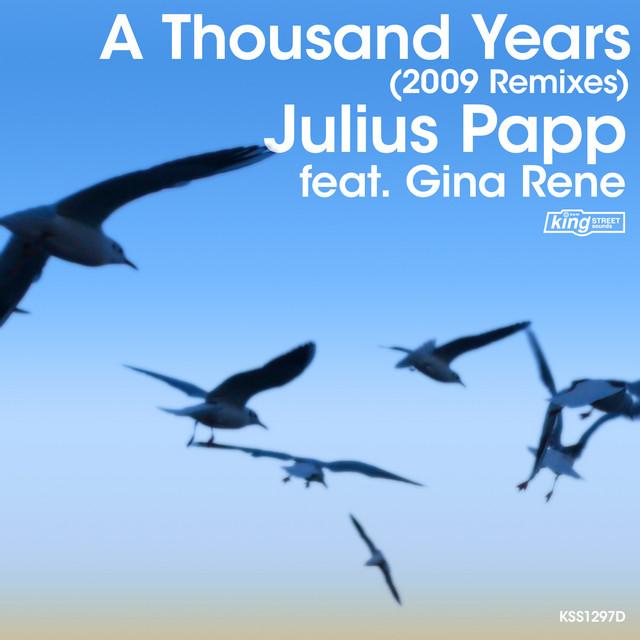
Julius Papp

Electronic
House
Deep House
 Viberate Rank: 181118
 Viberate Rank: 181118
 Monthly ListenersFollowers
 Subscribers
 Followers
 Followers
 FansTop Spotify Songs
| Track | 7-Day Streams | |
|---|---|---|
1 | 793 | |
2 | 657 | |
3 | 629 | |
4 | 145 | |
5 | 90 |
Top YouTube VideosMonthly ListenersFeatured in Playlists| Playlist | Followers | |
|---|---|---|
1 |  Mushroom Jazz 🍄 1-8 LoveJoy Stanton | 18.14K |
2 | Old South African House MUSIC🔥😭🙌🇿🇦 Gordon Bandile Maphosa | 17.95K |
3 |  Mushroom Jazz Om Records | 13.83K |
4 | Full Length DJ Mixes - Continuous Mixes Evan Witten | 8.60K |
5 |  Funk, acid jazz, soul and urban groove Michael Sjöberg | 7.50K |
Audience| City | Monthly Listeners | |
|---|---|---|
1 |  | 1.04K |
2 | | 399 |
3 | | 336 |
4 |  | 204 |
5 |  | 181 |
See full performance history, audience data, playlist activity, rankings, comparisons, and more in Viberate music analytics. Start with a free trial, then continue with a paid plan.
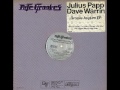
Julius Papp’s Spotify BioWith a hard ridged name like Julius Papp, in the electronic music circles, most would expect grinding techno or minimalist beats. On the contrary, Papp is a house producer whose roots lie in disco and new wave of the early '80s.
Papp was born and raised in Montreal, Canada, and got tuned into dance music through Quebec's flourishing club scene and diverse radio broadcasts. He started buying records in the late '70s and took to turntables in 1985, scoring his first major club gig two years later. Papp first drew attention as part of the jazz and funk scene in the early '90s when he relocated to San Jose, CA. Alongside its forerunner, Mark Farina, Papp took a place in the Mushroom Jazz scene in San Francisco. He held an active calendar in both cities. In 1994 he started producing tracks, his first projects being mainly acid jazz flavored. His first release was with the wilder Nervous Records for his down-tempo vinyl recordings, and a full-length CD called Cueball. Eventually, Papp… released records with the respected house labels OM and Paper Recordings. He has also collaborated with Jay-J Hernandez, "the Buddy Boys," and Rick Pristine for the pap/pristine project. Showing another side of his musical taste, he also teamed with Dave Warren for the band, Slide Five. In 1997, he released the third session in the Cueball series. A year later he followed it with two releases, Astral Wave/New York City Musik and Cosmic Wave. Escho Funi, Vol. 1 appeared in spring 2001. ~ Diana Potts, Rovi
Viberate is a music analytics platform built for A&Rs, artist managers, labels, booking agents, marketers, and artists.
It helps music professionals track artist growth, analyze audience data, monitor playlist activity, compare artists, follow song performance, and identify opportunities across the music market.
Public artist pages provide a free preview of selected artist data. Paid plans provide access to deeper analytics, historical data, charts, comparisons, playlist tools, exports, alerts, reports, and additional professional features.
Yes. Public Viberate artist pages provide selected artist analytics and music data for free.
Viberate also offers a 7-day free trial of the full platform. A credit card is required to start the trial. The trial includes access to the complete product so users can test deeper artist analytics, historical views, playlist insights, comparisons, charts, exports, alerts, and reporting features before choosing a paid plan.
Viberate provides artist analytics across streaming, playlists, social media, video, radio airplay, songs, and audience markets.
Users can analyze Spotify performance, Spotify and Apple Music playlists, YouTube activity, TikTok and Instagram growth, radio spins, song performance, audience locations, demographics, rankings, and overall artist momentum.
Artist profiles also connect to music charts, similar artists, and comparison tools, helping users benchmark performance and evaluate artists in context.
Viberate updates key artist and track data daily.
For followed artists and tracks, selected data is refreshed multiple times per day. This helps teams monitor playlist changes, streaming movement, audience growth, releases, and campaign performance with more current data.
Update frequency can vary depending on the metric and data source.
Yes. Viberate lets users compare up to five artists side by side across streaming, social media, audience, and engagement metrics.
Users can compare fanbase growth, audience demographics, locations, Spotify performance, social metrics, and other artist data over selected time periods.
Artist comparison can be used for A&R scouting, benchmarking, booking decisions, campaign planning, and evaluating artists with similar audiences or market positions.