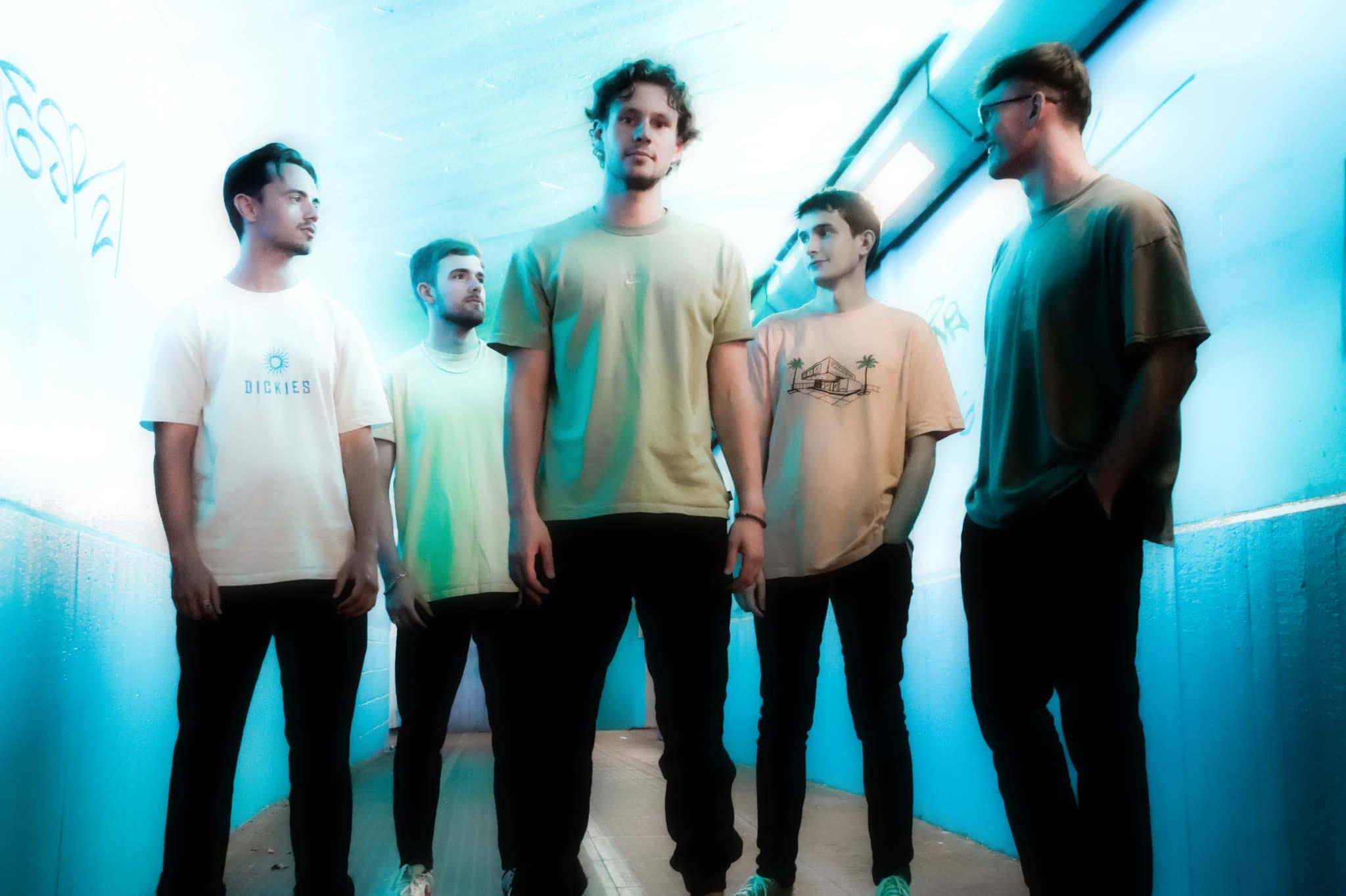
Julian Lines

Rock
Indie Rock
 Viberate Rank: 831409
 Viberate Rank: 831409
 Monthly ListenersFollowers
 Subscribers
 Followers
 Followers
 FansTop Spotify Songs
| Track | 7-Day Streams | |
|---|---|---|
1 | 61 | |
2 | 5 | |
3 | 4 | |
4 | 2 | |
5 | 2 |
Top YouTube VideosMonthly ListenersFeatured in Playlists| Playlist | Followers | |
|---|---|---|
1 |  Late Night 80's Rock Static Bloom | 24.61K |
2 |  Musicians Playlist Geraldine Taylor | 16.95K |
3 |  Indie Rock Discovery Felicity Records | 16.84K |
4 |  Indie Rock Releases Timothy Tunes | 16.04K |
5 |  Pop Hits 2026 Felicity Records | 12.95K |
Audience| City | Monthly Listeners | |
|---|---|---|
1 |  | 20 |
2 |  | 17 |
3 |  | 17 |
4 |  | 17 |
5 |  | 11 |
See full performance history, audience data, playlist activity, rankings, comparisons, and more in Viberate music analytics. Start with a free trial, then continue with a paid plan.
Julian Lines’ Spotify BioJulian Lines is a Guitarist / Songwriter from St Albans, UK.
He has been writing, producing and recording music for over 30 years and has formed and played guitar in several bands.
Julian has been influenced by many bands over the years, he was heavily influenced by punk and then post punk bands such as The Clash, The Buzzcocks, The Damned, SLF etc then a bit later The Icicle Works, The Psychedelic Furs, Blondie, Joy Division and the great guitar sound of Johnny Marr and the Smiths and not forgetting The Edge and U2.
His next major influence was the plethora of great 90’s bands such as Radiohead, The Stone Roses, The Charlatans, Oasis, Blur, Supergrass and New Order etc. And more recently bands such as Editors, White Lies, Daughter, Sam Fender, The National and Royal Otis.
Julian’s sound has been crafted over many years, the tracks built around sweeping and catchy guitar riffs.
Stay tuned!..
Viberate is a music analytics platform built for A&Rs, artist managers, labels, booking agents, marketers, and artists.
It helps music professionals track artist growth, analyze audience data, monitor playlist activity, compare artists, follow song performance, and identify opportunities across the music market.
Public artist pages provide a free preview of selected artist data. Paid plans provide access to deeper analytics, historical data, charts, comparisons, playlist tools, exports, alerts, reports, and additional professional features.
Yes. Public Viberate artist pages provide selected artist analytics and music data for free.
Viberate also offers a 7-day free trial of the full platform. A credit card is required to start the trial. The trial includes access to the complete product so users can test deeper artist analytics, historical views, playlist insights, comparisons, charts, exports, alerts, and reporting features before choosing a paid plan.
Viberate provides artist analytics across streaming, playlists, social media, video, radio airplay, songs, and audience markets.
Users can analyze Spotify performance, Spotify and Apple Music playlists, YouTube activity, TikTok and Instagram growth, radio spins, song performance, audience locations, demographics, rankings, and overall artist momentum.
Artist profiles also connect to music charts, similar artists, and comparison tools, helping users benchmark performance and evaluate artists in context.
Viberate updates key artist and track data daily.
For followed artists and tracks, selected data is refreshed multiple times per day. This helps teams monitor playlist changes, streaming movement, audience growth, releases, and campaign performance with more current data.
Update frequency can vary depending on the metric and data source.
Yes. Viberate lets users compare up to five artists side by side across streaming, social media, audience, and engagement metrics.
Users can compare fanbase growth, audience demographics, locations, Spotify performance, social metrics, and other artist data over selected time periods.
Artist comparison can be used for A&R scouting, benchmarking, booking decisions, campaign planning, and evaluating artists with similar audiences or market positions.