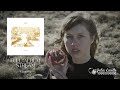
Julia Lucille

Rock
Folk Rock
 Viberate Rank: 540068
 Viberate Rank: 540068
 Monthly ListenersFollowers
 Subscribers
 Followers
 Followers
 FansTop Spotify Songs
| Track | 7-Day Streams | |
|---|---|---|
1 | 175 | |
2 | 24 | |
3 | 18 | |
4 | 18 | |
5 | 8 |
Top YouTube Videos| Video | 7-Day Views | |
|---|---|---|
1 | 2 | |
2 | 1 |
Monthly ListenersFeatured in Playlists| Playlist | Followers | |
|---|---|---|
1 |  Numero Group Guide to Dreampop Numero Group | 8.90K |
2 |  Stack Hype Machine | 5.16K |
3 |  BEST SONGS OF 2017 // GORILLA VS. BEAR Gorilla vs Bear | 3.77K |
4 |  Bedroom Pop/Indie Rock/Indie Pop/Dreampop/Shoegaze/LoFi/Chillwave Morgana | 2.08K |
5 |  TheLazylazyme (Archive) Mirror.FM | 1.57K |
Audience| City | Monthly Listeners | |
|---|---|---|
1 |  | 11 |
2 | | 11 |
3 |  | 9 |
4 | | 7 |
5 |  | 6 |
See full performance history, audience data, playlist activity, rankings, comparisons, and more in Viberate music analytics. Start with a free trial, then continue with a paid plan.
Julia Lucille’s Spotify BioCombining ethereal dream pop elements and austere folk influences, California-raised singer/songwriter Julia Mitchell (known professionally as Julia Lucille) began her career in Portland, Oregon, where she studied ethnomusicology at Lewis & Clark College. She relocated to Austin, TX in 2012 and that same released solo LP titled Homing, which was picked up by Punctum Records. In 2016 she released a collection of lo-fi demos called Bedroom Tapes, Vol. 1. After intensive touring around the US, Mitchell released a proper follow-up album in the panoramic and more fully formed Chthonic, which she recorded in Dripping Springs with Cross Record members Emily Cross and Dan Duszynski. The album was released in 2017 by Austin indie Keeled Scales. Her dark-hued sound recalls some of the winsome loneliness of German folkstress Sibylle Baier, a noted influence, while taking on some experimental indie undertones.
Viberate is a music analytics platform built for A&Rs, artist managers, labels, booking agents, marketers, and artists.
It helps music professionals track artist growth, analyze audience data, monitor playlist activity, compare artists, follow song performance, and identify opportunities across the music market.
Public artist pages provide a free preview of selected artist data. Paid plans provide access to deeper analytics, historical data, charts, comparisons, playlist tools, exports, alerts, reports, and additional professional features.
Yes. Public Viberate artist pages provide selected artist analytics and music data for free.
Viberate also offers a 7-day free trial of the full platform. A credit card is required to start the trial. The trial includes access to the complete product so users can test deeper artist analytics, historical views, playlist insights, comparisons, charts, exports, alerts, and reporting features before choosing a paid plan.
Viberate provides artist analytics across streaming, playlists, social media, video, radio airplay, songs, and audience markets.
Users can analyze Spotify performance, Spotify and Apple Music playlists, YouTube activity, TikTok and Instagram growth, radio spins, song performance, audience locations, demographics, rankings, and overall artist momentum.
Artist profiles also connect to music charts, similar artists, and comparison tools, helping users benchmark performance and evaluate artists in context.
Viberate updates key artist and track data daily.
For followed artists and tracks, selected data is refreshed multiple times per day. This helps teams monitor playlist changes, streaming movement, audience growth, releases, and campaign performance with more current data.
Update frequency can vary depending on the metric and data source.
Yes. Viberate lets users compare up to five artists side by side across streaming, social media, audience, and engagement metrics.
Users can compare fanbase growth, audience demographics, locations, Spotify performance, social metrics, and other artist data over selected time periods.
Artist comparison can be used for A&R scouting, benchmarking, booking decisions, campaign planning, and evaluating artists with similar audiences or market positions.