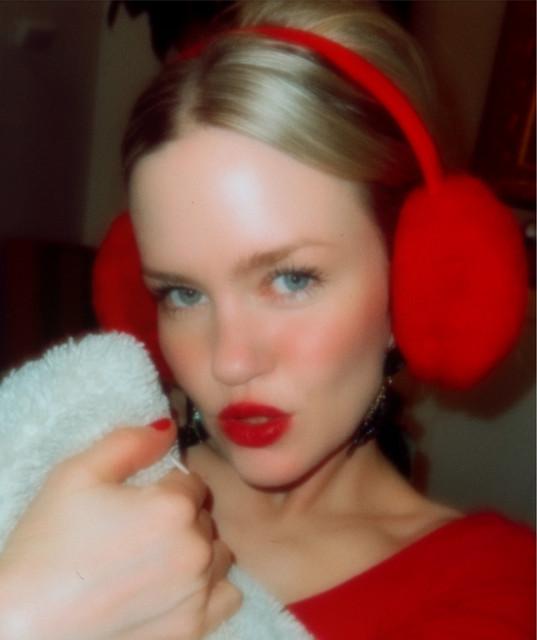
Julia Frej

Pop
Indie Pop
Mainstream Pop
 Viberate Rank: 345321
 Viberate Rank: 345321
 Monthly ListenersFollowers
 Subscribers
 Followers
 Followers
 FansTop Spotify Songs
| Track | 7-Day Streams | |
|---|---|---|
1 | 1.36K | |
2 | 741 | |
3 | 377 | |
4 | 312 | |
5 | 139 |
Top YouTube Videos| Video | 7-Day Views | |
|---|---|---|
1 | 1 | |
2 | 1 | |
3 | 1 |
Monthly ListenersFeatured in Playlists| Playlist | Followers | |
|---|---|---|
1 |  Svensk jul Spotify | 61.25K |
2 |  This Is Eric Saade Spotify | 5.36K |
3 | Barrys Bootcamp 2012-2019 hlgibbs88 | 3.00K |
4 | Stinas kvinnor Stina Wollter | 2.95K |
5 |  This Is Titiyo Spotify | 2.29K |
Audience| City | Monthly Listeners | |
|---|---|---|
1 | | 743 |
2 | | 387 |
3 | | 144 |
4 | | 97 |
5 | | 50 |
See full performance history, audience data, playlist activity, rankings, comparisons, and more in Viberate music analytics. Start with a free trial, then continue with a paid plan.
Julia Frej’s Spotify BioJulia became a household name when she interpreted and performed Brother Daniel’s classic song ”Shoreline” on TV4, Sweden’s most popular commercial TV channel, resulting in the live video performance going viral.
Her Swedish version ”Vi är skuggor” (We are Shadows), has become a Swedish classic with over 1.8 million streams (as of May, 2021).
She also created and headlined the successful podcast ”Julia Frej Unplugged” which featured several Swedish top artists as Molly Sandén, Linda Pira and Plura Jonsson.
Julia has also toured extensively with legends such as Ebbot Lundberg (Soundtrack of our Lives) and Mauro Scocco.
Before the lockdown in 2020 she performed in the music theatre production ”Bellman 2.0” in the role of semi-fictional character Ulla Winblad, at the Vastmanlands theatre and Uppsala stadsteater. Julia has also written music for TV productions; such as ”Helt lyriskt” (SVT) and ”Hur är Hampus i sängen” featuring actor and singer Hampus Nessvold (SVT), not to mention ”Kakan och… Julia” (SVT).
In 2017 she released her debut EP ”Fröken Frejs Epistlar” with songs that originated out of old personal diaries and during 2021 Julia will be finishing her first full length album ”Silvertunga”, to be released this coming Autumn. Julia’s first single “Om det tar slut” from the upcoming album is out now (May 2021).
Viberate is a music analytics platform built for A&Rs, artist managers, labels, booking agents, marketers, and artists.
It helps music professionals track artist growth, analyze audience data, monitor playlist activity, compare artists, follow song performance, and identify opportunities across the music market.
Public artist pages provide a free preview of selected artist data. Paid plans provide access to deeper analytics, historical data, charts, comparisons, playlist tools, exports, alerts, reports, and additional professional features.
Yes. Public Viberate artist pages provide selected artist analytics and music data for free.
Viberate also offers a 7-day free trial of the full platform. A credit card is required to start the trial. The trial includes access to the complete product so users can test deeper artist analytics, historical views, playlist insights, comparisons, charts, exports, alerts, and reporting features before choosing a paid plan.
Viberate provides artist analytics across streaming, playlists, social media, video, radio airplay, songs, and audience markets.
Users can analyze Spotify performance, Spotify and Apple Music playlists, YouTube activity, TikTok and Instagram growth, radio spins, song performance, audience locations, demographics, rankings, and overall artist momentum.
Artist profiles also connect to music charts, similar artists, and comparison tools, helping users benchmark performance and evaluate artists in context.
Viberate updates key artist and track data daily.
For followed artists and tracks, selected data is refreshed multiple times per day. This helps teams monitor playlist changes, streaming movement, audience growth, releases, and campaign performance with more current data.
Update frequency can vary depending on the metric and data source.
Yes. Viberate lets users compare up to five artists side by side across streaming, social media, audience, and engagement metrics.
Users can compare fanbase growth, audience demographics, locations, Spotify performance, social metrics, and other artist data over selected time periods.
Artist comparison can be used for A&R scouting, benchmarking, booking decisions, campaign planning, and evaluating artists with similar audiences or market positions.