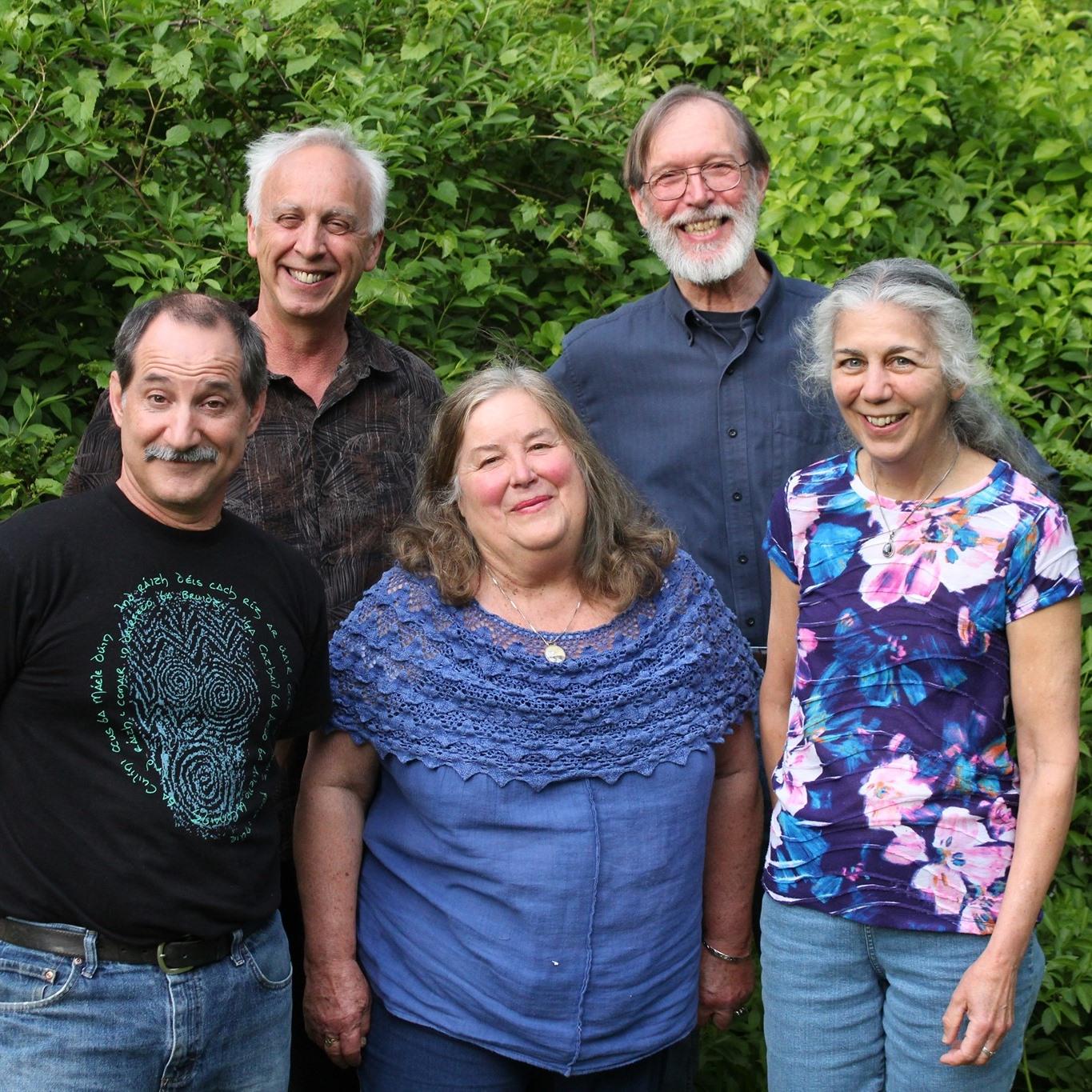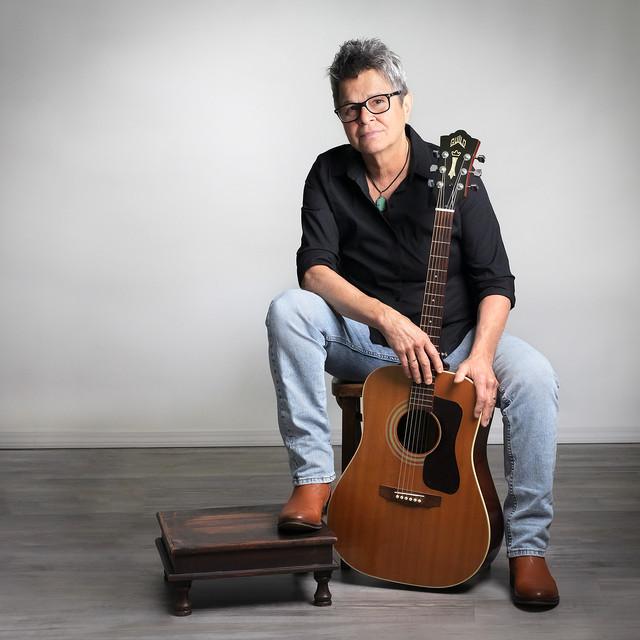
Judy Small

Rock
Folk Rock
Americana/Alt Country
 Viberate Rank: 464187
 Viberate Rank: 464187
 Monthly ListenersFollowers
 Subscribers
 Followers
 Followers
 FansTop Spotify Songs
| Track | 7-Day Streams | |
|---|---|---|
1 | 71 | |
2 | 66 | |
3 | 39 | |
4 | 36 | |
5 | 34 |
Top YouTube VideosMonthly ListenersFeatured in Playlists| Playlist | Followers | |
|---|---|---|
1 | if you’re listening to this then you’re probably gay af Cheyenne Hotmessbian | 2.49K |
2 |  Songs About Serial Killers batboy | 2.33K |
3 |  sapphic songs - masterplaylist sapphicplaylists | 2.06K |
4 |  the gaylist 🌈 onajourney | 2.02K |
5 |  wlw IrisSkye | 1.91K |
Audience| City | Monthly Listeners | |
|---|---|---|
1 | | 110 |
2 | | 99 |
3 | | 59 |
4 | | 27 |
5 | | 15 |
See full performance history, audience data, playlist activity, rankings, comparisons, and more in Viberate music analytics. Start with a free trial, then continue with a paid plan.
Judy Small’s Spotify BioJudy Small is one of the most influential singer/songwriters to come out of Australia. Her songs, which include one of the hardest-hitting looks at the effects of war, "Mothers, Daughters, Wives," and the ecologically minded tune "Charlesworth Bay," have been covered by Ronnie Gilbert, Eric Bogle, the McCalmans, the Corries, Charlie King, and Priscilla Herdman. The Oakland Tribune referred to Small as a "writer of some of the most powerful social and political songs of our time." A highly educated woman, Small has studied psychology and is also an attorney, balancing her musical career with work as a family lawyer for Victoria Legal Aid in Melbourne.
Growing up in the small northern seaport village of Coffs Harbor in New South Wales, Small was inspired as a youngster by the folk songs that were popular in the United States and England in the late '50s and early '60s. Although she began performing her original Celtic and contemporary folk-like songs in Australian folk clubs and… coffeehouses in 1970, Small was little known outside of her native continent until leaving her government job and embarking on a world tour in 1982. The turning point in her career came at the Vancouver Folk Festival when Australian singer/songwriter Eric Bogle invited her onto the stage. Since then, Small has made many appearances throughout Europe and North America.
Small has remained a popular performer in Australia as well. In 1990 she received a prestigious Mo Award as Folk Performer of the Year, and in 1993 she was honored with a tribute concert of her songs at the Maleny Folk Festival in Queensland. Released in 1997, Small's album Three Sheilas was recorded with Australian vocalists Kavisha Mazzella and Bronwyn Calcutt and featured solo tracks along with tunes performed as a trio. Her subsequent albums have included Let the Rainbow Shine (1999), Mosaic (2003), and Live at the Artery (2007), all released by Crafty Maid Music. ~ Craig Harris, Rovi
Viberate is a music analytics platform built for A&Rs, artist managers, labels, booking agents, marketers, and artists.
It helps music professionals track artist growth, analyze audience data, monitor playlist activity, compare artists, follow song performance, and identify opportunities across the music market.
Public artist pages provide a free preview of selected artist data. Paid plans provide access to deeper analytics, historical data, charts, comparisons, playlist tools, exports, alerts, reports, and additional professional features.
Yes. Public Viberate artist pages provide selected artist analytics and music data for free.
Viberate also offers a 7-day free trial of the full platform. A credit card is required to start the trial. The trial includes access to the complete product so users can test deeper artist analytics, historical views, playlist insights, comparisons, charts, exports, alerts, and reporting features before choosing a paid plan.
Viberate provides artist analytics across streaming, playlists, social media, video, radio airplay, songs, and audience markets.
Users can analyze Spotify performance, Spotify and Apple Music playlists, YouTube activity, TikTok and Instagram growth, radio spins, song performance, audience locations, demographics, rankings, and overall artist momentum.
Artist profiles also connect to music charts, similar artists, and comparison tools, helping users benchmark performance and evaluate artists in context.
Viberate updates key artist and track data daily.
For followed artists and tracks, selected data is refreshed multiple times per day. This helps teams monitor playlist changes, streaming movement, audience growth, releases, and campaign performance with more current data.
Update frequency can vary depending on the metric and data source.
Yes. Viberate lets users compare up to five artists side by side across streaming, social media, audience, and engagement metrics.
Users can compare fanbase growth, audience demographics, locations, Spotify performance, social metrics, and other artist data over selected time periods.
Artist comparison can be used for A&R scouting, benchmarking, booking decisions, campaign planning, and evaluating artists with similar audiences or market positions.