JSTN

Electronic
Techno
Hard Techno
 Viberate Rank: 290026
 Viberate Rank: 290026
 Monthly ListenersFollowers
 Subscribers
 Followers
 Followers
 FansTop Spotify Songs
| Track | 7-Day Streams | |
|---|---|---|
1 | 9.36K | |
2 | 7.35K | |
3 | 3.07K | |
4 | 695 | |
5 | 289 |
Top YouTube VideosMonthly ListenersFeatured in Playlists| Playlist | Followers | |
|---|---|---|
1 |  ⛓️ HARD TECHNO RAVE ⛓️ Elias | 282.16K |
2 |  RAVE PARTY 2026 ⛓️😈 HARD TECHNO 🔊 Matata Records 🔊 | 275.87K |
3 |  Techno House Trips Monroychis (playlist) | 88.08K |
4 |  RAVE PARADISE 🚀 . : R A V E : . | 48.44K |
5 | Techno/Techhouse mit JW JoelWeyer | 45.71K |
Audience| City | Monthly Listeners | |
|---|---|---|
1 |  | 1.36K |
2 |  | 1.27K |
3 | | 1.14K |
4 |  | 920 |
5 | | 823 |
See full performance history, audience data, playlist activity, rankings, comparisons, and more in Viberate music analytics. Start with a free trial, then continue with a paid plan.
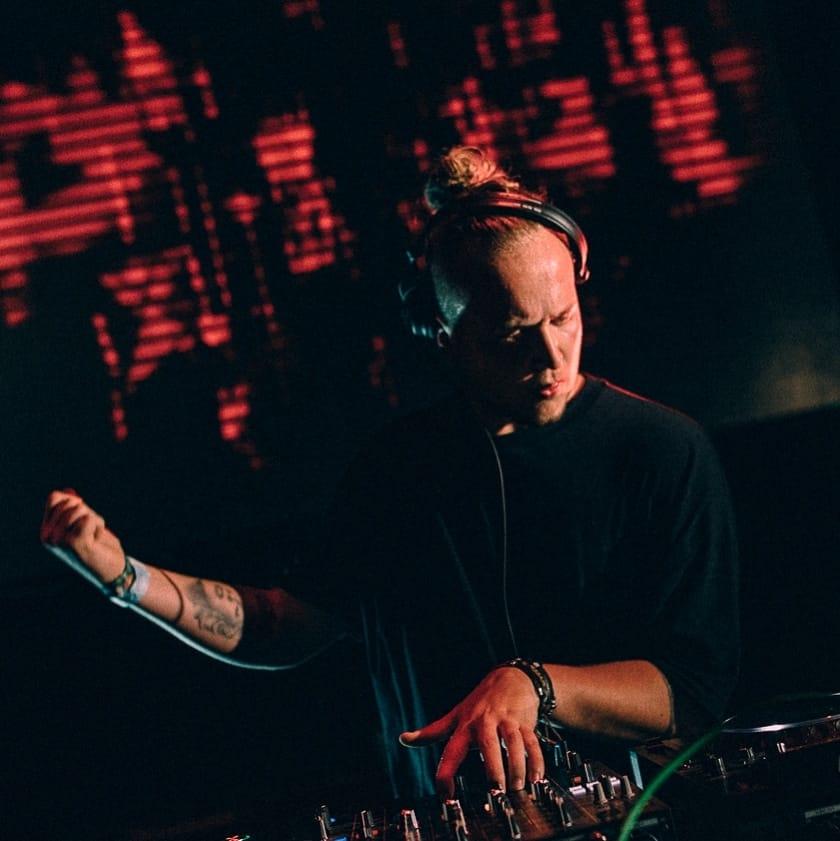
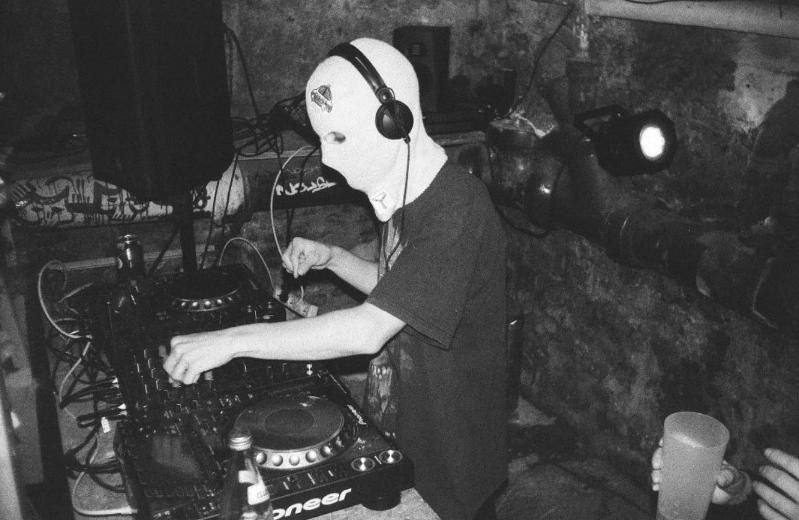
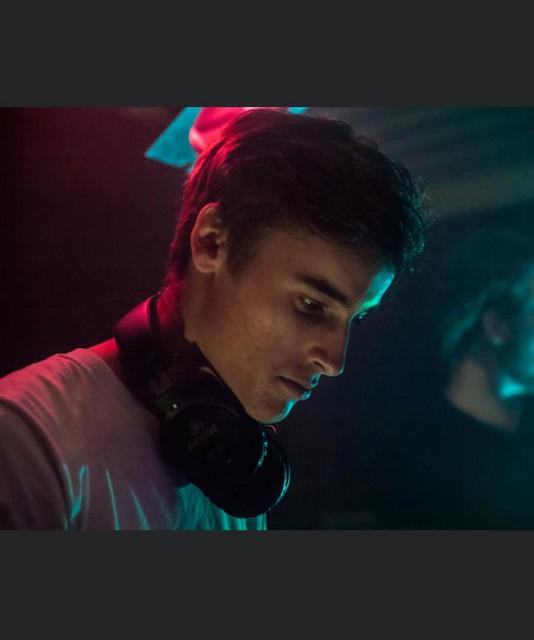
JSTN’s Spotify BioBy using powerful synths and crazy kicks JSTN gives his audience an unforgettable time. With a combination of oldschool and new sounds he aims to deliver the ultimate rave experience. His own style is industrial, rough and fast, but he is capable of adjusting his set to a specific event.
JSTN got introduced to techno in 2019 by his colleagues at a restaurant he was working at. By hearing the music frequently he learned to appreciate the sound of techno. In the summer of 2020, he started producing hip hop beats, but after only two months he decided to switch to hard techno. Things started taking off after the release of Interlude and XTC Love in November 2021.
He attended Verknipt ADE as his first techno festival in 2021, and only one year later he got to perform there himself. The positive people and high energy at events is why he loves the hard techno scene.
Viberate is a music analytics platform built for A&Rs, artist managers, labels, booking agents, marketers, and artists.
It helps music professionals track artist growth, analyze audience data, monitor playlist activity, compare artists, follow song performance, and identify opportunities across the music market.
Public artist pages provide a free preview of selected artist data. Paid plans provide access to deeper analytics, historical data, charts, comparisons, playlist tools, exports, alerts, reports, and additional professional features.
Yes. Public Viberate artist pages provide selected artist analytics and music data for free.
Viberate also offers a 7-day free trial of the full platform. A credit card is required to start the trial. The trial includes access to the complete product so users can test deeper artist analytics, historical views, playlist insights, comparisons, charts, exports, alerts, and reporting features before choosing a paid plan.
Viberate provides artist analytics across streaming, playlists, social media, video, radio airplay, songs, and audience markets.
Users can analyze Spotify performance, Spotify and Apple Music playlists, YouTube activity, TikTok and Instagram growth, radio spins, song performance, audience locations, demographics, rankings, and overall artist momentum.
Artist profiles also connect to music charts, similar artists, and comparison tools, helping users benchmark performance and evaluate artists in context.
Viberate updates key artist and track data daily.
For followed artists and tracks, selected data is refreshed multiple times per day. This helps teams monitor playlist changes, streaming movement, audience growth, releases, and campaign performance with more current data.
Update frequency can vary depending on the metric and data source.
Yes. Viberate lets users compare up to five artists side by side across streaming, social media, audience, and engagement metrics.
Users can compare fanbase growth, audience demographics, locations, Spotify performance, social metrics, and other artist data over selected time periods.
Artist comparison can be used for A&R scouting, benchmarking, booking decisions, campaign planning, and evaluating artists with similar audiences or market positions.