J.R.C.G.

Rock
Alternative Rock
Noise Rock
 Viberate Rank: 272661
 Viberate Rank: 272661
 Monthly ListenersFollowers
 Subscribers
 Followers
 Followers
 FansTop Spotify Songs
| Track | 7-Day Streams | |
|---|---|---|
1 | 676 | |
2 | 362 | |
3 | 280 | |
4 | 247 | |
5 | 238 |
Top YouTube VideosMonthly ListenersFeatured in Playlists| Playlist | Followers | |
|---|---|---|
1 |  David Dean Burkhart Mirror.FM | 7.67K |
2 |  dublab: The Sounds of Now dublab | 5.05K |
3 |  what we’re listening to Hippo Campus | 4.85K |
4 |  Matador Recommends Matador Records | 4.81K |
5 |  Seattle Scene The Seane | 4.00K |
Audience| City | Monthly Listeners | |
|---|---|---|
1 | | 101 |
2 | | 78 |
3 |  | 76 |
4 | | 69 |
5 | | 64 |
See full performance history, audience data, playlist activity, rankings, comparisons, and more in Viberate music analytics. Start with a free trial, then continue with a paid plan.
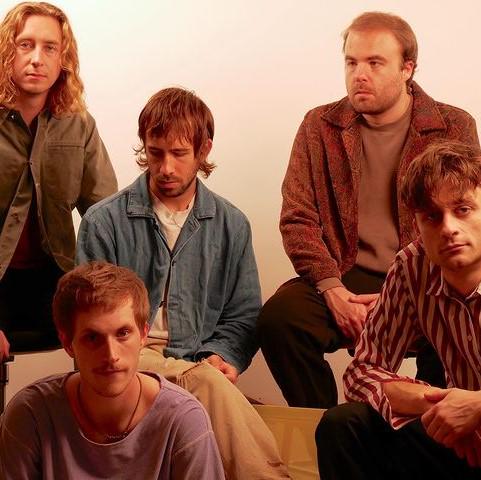
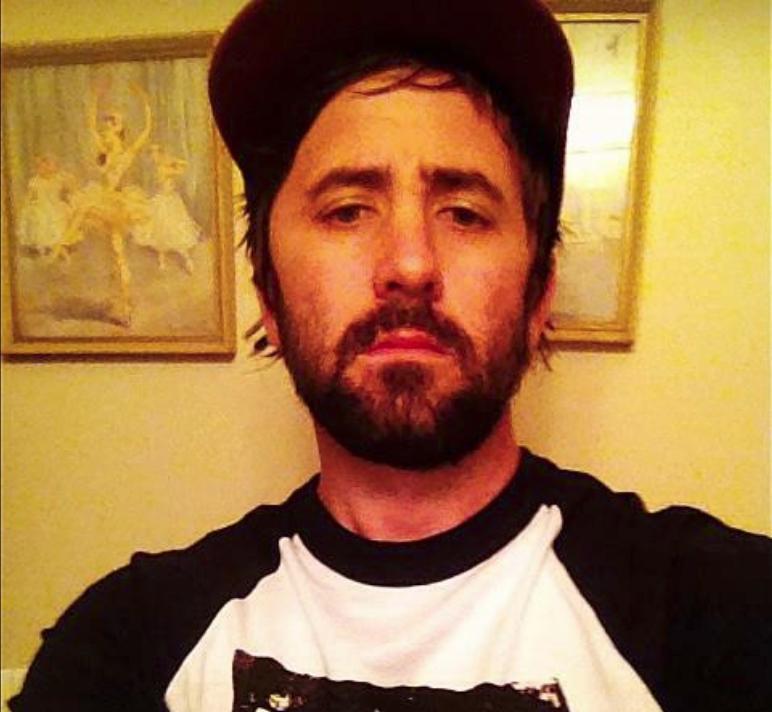
J.R.C.G.’s Spotify BioAn experimental music project that combines elements of Krautrock, jazz, indie rock, art rock, electronics, and the avant-garde, J.R.C.G. is named for the key artist behind the work, Justin R. Cruz Gallego. A keyboard player, composer, and visual artist, Gallego uses J.R.C.G. as a format to combine ideas and sounds from different sources, squaring his synthesizer patterns against drum tracks, horns, guitars, and found noises. While he had previously worked in other formats, he introduced J.R.C.G. with the album Ajo Sunshine, which was released in November 2021. For his second J.R.C.G. LP, 2024's Grim Iconic…(Sadistic Mantra), Gallego added Latin rhythms to his potent blend of electronic sounds.
Based in the Pacific Northwest, Gallego first released music with the indie rock group Marrow, appearing on a CD-R EP they used to document live work in 2008. He gained a larger audience for his next project, Dreamdecay, a guitar-centric noise rock ensemble whose performances were rooted in an… aggressive, dissonant attack and skeletal, purposefully difficult melodies. Dreamdecay debuted with the EP Fern in 2012, and after a pair of chaotic but compelling albums for Iron Lung Records, 2013's N V N V N V and 2017's Yú, they teamed up with Sub Pop for a 2019 single, "N/O" b/w "H/S."
While Dreamdecay was slowly gaining a larger audience, Gallego was making even greater inroads as an artist; in addition to creating fine art and graphic materials, he was designing album covers for a number of worthy independent acts, among them Vacant Life, Private Room, Criminal Code, Sidetracked, and Violent Human System. In 2016, he stepped out on his own, composing the score for the 2016 independent film Wash. In 2021, he introduced another solo endeavor, J.R.C.G., as Gallego made vintage synthesizers his new main instrument. The compositions were constructed around extended keyboard workouts -- not jarringly noisy but not melodic, either -- with the addition of percussion tracks, horn interjections, and occasional electric guitar (the latter played by John Dwyer of Thee Oh Sees). J.R.C.G.'s debut album, Ajo Sunshine, was released in November 2021; the record was distributed by Dwyer's Castle Face Records label.
Gallego embraced the influences of the Latin music that was part of the soundtrack of his youth on J.R.C.G.'s second LP, Grim Iconic…(Sadistic Mantra), released in 2024 by Sub Pop. He mixed Latin rhythms in with the darkly atmospheric sounds of his previous work, giving the music a different pulse but a similar emotional force. The bulk of the album was recorded at Gallego's home studio, while he and co-producer Seth Manchester completed the tracks at Rhode Island's Machines with Magnets Studio. Guest artists on the sessions included Morgan Henderson of Fleet Foxes and the Blood Brothers, Jason Clackley and Jon Scheid of Dreamdecay, and Erica Miller of Casual Hex. ~ Mark Deming, Rovi
Viberate is a music analytics platform built for A&Rs, artist managers, labels, booking agents, marketers, and artists.
It helps music professionals track artist growth, analyze audience data, monitor playlist activity, compare artists, follow song performance, and identify opportunities across the music market.
Public artist pages provide a free preview of selected artist data. Paid plans provide access to deeper analytics, historical data, charts, comparisons, playlist tools, exports, alerts, reports, and additional professional features.
Yes. Public Viberate artist pages provide selected artist analytics and music data for free.
Viberate also offers a 7-day free trial of the full platform. A credit card is required to start the trial. The trial includes access to the complete product so users can test deeper artist analytics, historical views, playlist insights, comparisons, charts, exports, alerts, and reporting features before choosing a paid plan.
Viberate provides artist analytics across streaming, playlists, social media, video, radio airplay, songs, and audience markets.
Users can analyze Spotify performance, Spotify and Apple Music playlists, YouTube activity, TikTok and Instagram growth, radio spins, song performance, audience locations, demographics, rankings, and overall artist momentum.
Artist profiles also connect to music charts, similar artists, and comparison tools, helping users benchmark performance and evaluate artists in context.
Viberate updates key artist and track data daily.
For followed artists and tracks, selected data is refreshed multiple times per day. This helps teams monitor playlist changes, streaming movement, audience growth, releases, and campaign performance with more current data.
Update frequency can vary depending on the metric and data source.
Yes. Viberate lets users compare up to five artists side by side across streaming, social media, audience, and engagement metrics.
Users can compare fanbase growth, audience demographics, locations, Spotify performance, social metrics, and other artist data over selected time periods.
Artist comparison can be used for A&R scouting, benchmarking, booking decisions, campaign planning, and evaluating artists with similar audiences or market positions.