Jr. Gone Wild

Country
Americana/Alt Country
Punk Rock
 Viberate Rank: 395978
 Viberate Rank: 395978
 Monthly ListenersFollowers
 Subscribers
 Followers
 Followers
 FansTop Spotify Songs
| Track | 7-Day Streams | |
|---|---|---|
1 | 65 | |
2 | 38 | |
3 | 22 | |
4 | 22 | |
5 | 20 |
Top YouTube VideosMonthly ListenersFeatured in Playlists| Playlist | Followers | |
|---|---|---|
1 |  Break-Thru Best Playlists Ever | 18.07K |
2 |  Best Break-Thru Music 2022 R&B Camp | 5.01K |
3 |  The Sound of Cowpunk The Sounds of Spotify | 2.73K |
Audience| City | Monthly Listeners | |
|---|---|---|
1 | | 65 |
2 | | 60 |
3 | | 30 |
4 | | 25 |
5 | | 11 |
See full performance history, audience data, playlist activity, rankings, comparisons, and more in Viberate music analytics. Start with a free trial, then continue with a paid plan.
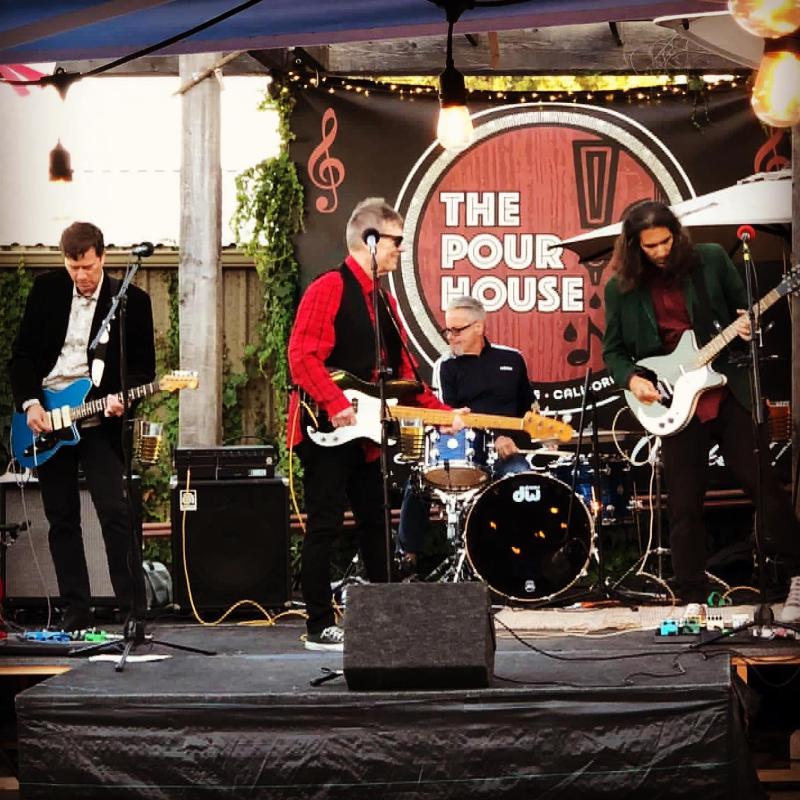
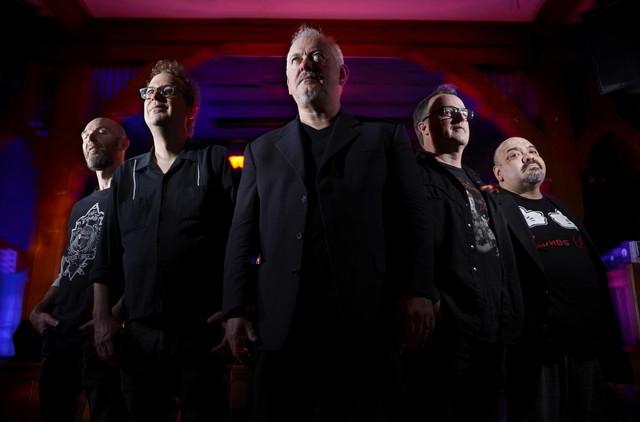
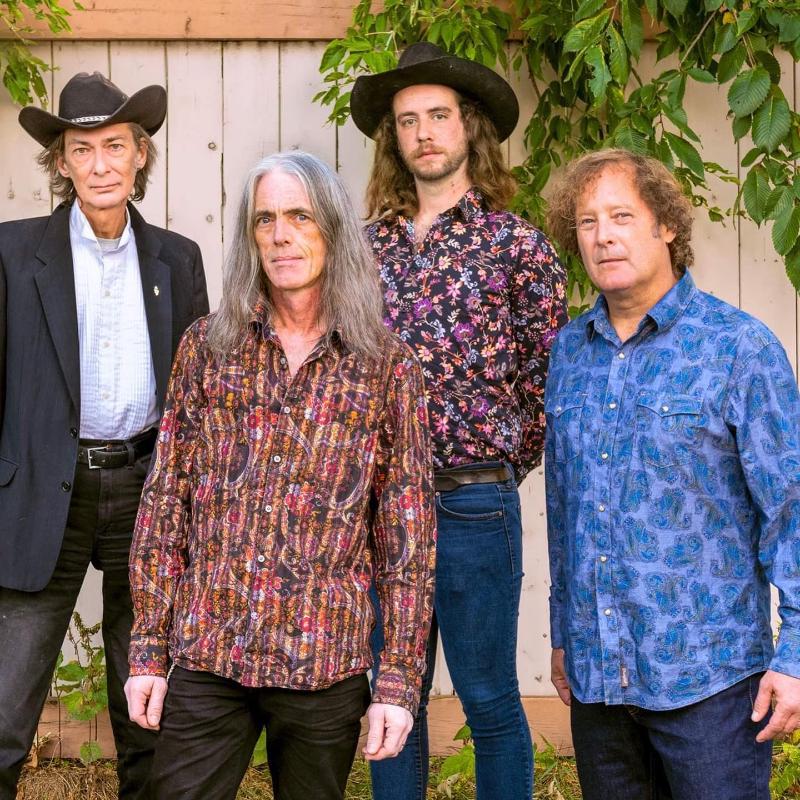
Jr. Gone Wild’s Spotify BioComing out of the same Edmonton scene that spawned punky, power poppy bands like the Pursuit of Happiness and the Wheat Chiefs, ex-Malibu Kens singer/guitarist Mike McDonald formed Jr. Gone Wild in 1983. McDonald, while possessed of the punk-pop ethos, never took himself as seriously as most punks, and on a musical level was more interested in pursuing a deliberately sloppy country-rock fusion inspired by artists such as the (then) deeply unhip Neil Young or Gram Parsons. The name Jr. Gone Wild represented McDonald's somewhat dismissive appraisal of most people on the punk scene at the time.
For the first few years of JGW's existence, the band gigged around Canada's western provinces, gaining and losing members at a rapid clip. (Membership turnover in Jr. Gone Wild over the years was almost comically intense, but the band was virtually unique in that although McDonald was always clearly the leader; many other bandmembers contributed songs and lead vocals to the live shows and finished… albums, even if they were only with Jr. Gone Wild for a short period of time.) For a few years in the mid-'80s, McDonald also served as a member of novelty-roots act Jerry Jerry & the Sons of Rhythm Orchestra; he eventually turned his attention to JGW full-time in 1985, taking Jerry Jerry's drummer Sparky the Happy Troll (aka Ed Dobek) with him when he did so. Finally settling on a lineup of McDonald, Dobek, bassist Dove (aka David M. Brown), and second lead-vocalist/guitarist Dave Lawson, the group recorded and released their winningly goofy, jangly debut Less Art, More Pop! in 1986. The LP received enthusiastic college radio airplay in the U.S. and Canada, and Jr. Gone Wild came into its own as a touring band playing night after night in clubs throughout North America.
A few personnel changes later, the band released the cassette-only collection of live tracks and demos Folk You/The Guido Sessions (1989). The band was now officially McDonald, Dove, and drummer Paul (Duke) Paetz, but Lawson and Dobek both appear on Folk You, as do future JGW members Steve Loree, Bernice Pelletier, and a host of others. By the time of 1990's Too Dumb to Quit, the band (now consisting of McDonald, Dove, Dobek, guitarist Loree, and keyboardist Ford Pier) had developed into more of a hard-driving roots rock outfit, though they hadn't lost their sense of humor (as demonstrated by tracks "The Cliché Song" and "Third Most Stupidest Guy"). For their next similarly hard rocking, country-tinged release, 1992's Pull the Goalie, the McDonald/Dove duo was augmented by Chris Smith (guitars, vocals) and Larry Shelast (drums). A 1993 live show in conjunction with Edmonton comedy troupe Three Dead Trolls in a Baggie was released the following year as Live at the Hyperbole; by then, Smith had been replaced by Lance Loree and backing vocalist Bernice Pelletier had become a permanent part of the lineup.
1994 was also the year the once hard-living McDonald quit drinking, a subject dealt with in the opening track of the band's final album, Simple Little Wish (1995). The only lineup change for this one was the return of Ford Pier to the fold, but after more than a decade of living out of the back of a tour van, McDonald decided to draw the career of Jr. Gone Wild to a close. (Though not before one last lineup change; for the final tour, Pier was replaced by Anne Loree, who would gain a measure of fame by writing Jann Arden's smash hit "Insensitive" that same year.)
A local hero in Edmonton, McDonald would go on to form the Mike McDonald Band, which didn't have quite as arduous (or as far-ranging) a touring schedule as his old band, but still commanded an enthusiastic Alberta-based following. A surprisingly large number of the other estimated 30 ex-members of Jr. Gone Wild can still be found playing in various country, rock, and punk groups throughout Western Canada. ~ Rudyard Kennedy, Rovi
Viberate is a music analytics platform built for A&Rs, artist managers, labels, booking agents, marketers, and artists.
It helps music professionals track artist growth, analyze audience data, monitor playlist activity, compare artists, follow song performance, and identify opportunities across the music market.
Public artist pages provide a free preview of selected artist data. Paid plans provide access to deeper analytics, historical data, charts, comparisons, playlist tools, exports, alerts, reports, and additional professional features.
Yes. Public Viberate artist pages provide selected artist analytics and music data for free.
Viberate also offers a 7-day free trial of the full platform. A credit card is required to start the trial. The trial includes access to the complete product so users can test deeper artist analytics, historical views, playlist insights, comparisons, charts, exports, alerts, and reporting features before choosing a paid plan.
Viberate provides artist analytics across streaming, playlists, social media, video, radio airplay, songs, and audience markets.
Users can analyze Spotify performance, Spotify and Apple Music playlists, YouTube activity, TikTok and Instagram growth, radio spins, song performance, audience locations, demographics, rankings, and overall artist momentum.
Artist profiles also connect to music charts, similar artists, and comparison tools, helping users benchmark performance and evaluate artists in context.
Viberate updates key artist and track data daily.
For followed artists and tracks, selected data is refreshed multiple times per day. This helps teams monitor playlist changes, streaming movement, audience growth, releases, and campaign performance with more current data.
Update frequency can vary depending on the metric and data source.
Yes. Viberate lets users compare up to five artists side by side across streaming, social media, audience, and engagement metrics.
Users can compare fanbase growth, audience demographics, locations, Spotify performance, social metrics, and other artist data over selected time periods.
Artist comparison can be used for A&R scouting, benchmarking, booking decisions, campaign planning, and evaluating artists with similar audiences or market positions.