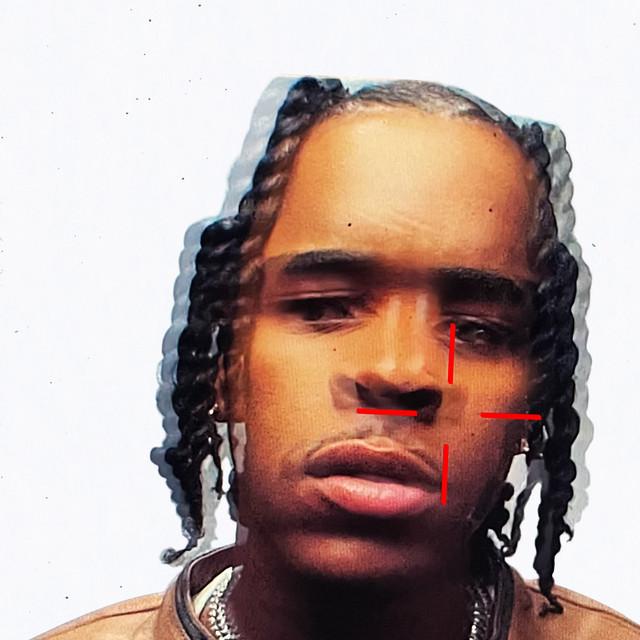
JR Castro

R&B
Contemporary R&B
Mainstream Pop
 Viberate Rank: 168224
 Viberate Rank: 168224
 Monthly ListenersFollowers
 Subscribers
 Followers
 Followers
 FansTop Spotify Songs
| Track | 7-Day Streams | |
|---|---|---|
1 | 4.43K | |
2 | 2.90K | |
3 | 941 | |
4 | 610 | |
5 | 439 |
Top YouTube VideosMonthly ListenersFeatured in Playlists| Playlist | Followers | |
|---|---|---|
1 |  Sexy R&B Spotify | 385.26K |
2 |  FUCKING 👅💦 pizarrik | 36.96K |
3 | R&B + Hip Hop 2010-2020 Arben Duci | 34.64K |
4 | work out hip hop Anna Maria Dio | 26.85K |
5 | shianne.sherman | 23.63K |
Audience| City | Monthly Listeners | |
|---|---|---|
1 |  | 558 |
2 | | 411 |
3 | | 401 |
4 | | 357 |
5 |  | 274 |
See full performance history, audience data, playlist activity, rankings, comparisons, and more in Viberate music analytics. Start with a free trial, then continue with a paid plan.
JR Castro’s Spotify BioAs a kid growing up in North Town neighborhood of Las Vegas, JR Castro fell under the spell of R&B music, thanks to his parents. “My dad would play Michael Jackson, Stevie Wonder, Midnight Star, The Commodores, and Prince all day every day,” he says. He first became interested in singing himself when he noticed that it impressed the girls. When Castro realized he could sing, he gravitated toward artists like Boyz II Men, Jodeci, Baby Face, Brian McKnight, and Usher, and took notes on what they were doing.
Castro got his first break in the music industry with the vocal group I-15, who were signed to Polow Da Don’s Zone 4 imprint with Interscope Records. The group achieved some success with their 2007 single “Lost in Love but disbanded soon after.
It took an unlikely meeting with hip-hop heavyweight Timbaland to lure Castro back into the game as a solo artist. The two met backstage at Justin Timberlake’s final show in Vegas threw mutual friend Jason "Poo Bear” Boyd introduced Castro to… Timbaland,
Castro has made a huge splash since coming on the scene. With his lead-off single “Get Home” (Get Right) ft Kid Ink & Quavo hitting the Top 10. Tall and chiseled, with a smile that takes up half his face, Castro has the charisma, talent, and vision to bring R&B back to the pop charts.
Viberate is a music analytics platform built for A&Rs, artist managers, labels, booking agents, marketers, and artists.
It helps music professionals track artist growth, analyze audience data, monitor playlist activity, compare artists, follow song performance, and identify opportunities across the music market.
Public artist pages provide a free preview of selected artist data. Paid plans provide access to deeper analytics, historical data, charts, comparisons, playlist tools, exports, alerts, reports, and additional professional features.
Yes. Public Viberate artist pages provide selected artist analytics and music data for free.
Viberate also offers a 7-day free trial of the full platform. A credit card is required to start the trial. The trial includes access to the complete product so users can test deeper artist analytics, historical views, playlist insights, comparisons, charts, exports, alerts, and reporting features before choosing a paid plan.
Viberate provides artist analytics across streaming, playlists, social media, video, radio airplay, songs, and audience markets.
Users can analyze Spotify performance, Spotify and Apple Music playlists, YouTube activity, TikTok and Instagram growth, radio spins, song performance, audience locations, demographics, rankings, and overall artist momentum.
Artist profiles also connect to music charts, similar artists, and comparison tools, helping users benchmark performance and evaluate artists in context.
Viberate updates key artist and track data daily.
For followed artists and tracks, selected data is refreshed multiple times per day. This helps teams monitor playlist changes, streaming movement, audience growth, releases, and campaign performance with more current data.
Update frequency can vary depending on the metric and data source.
Yes. Viberate lets users compare up to five artists side by side across streaming, social media, audience, and engagement metrics.
Users can compare fanbase growth, audience demographics, locations, Spotify performance, social metrics, and other artist data over selected time periods.
Artist comparison can be used for A&R scouting, benchmarking, booking decisions, campaign planning, and evaluating artists with similar audiences or market positions.