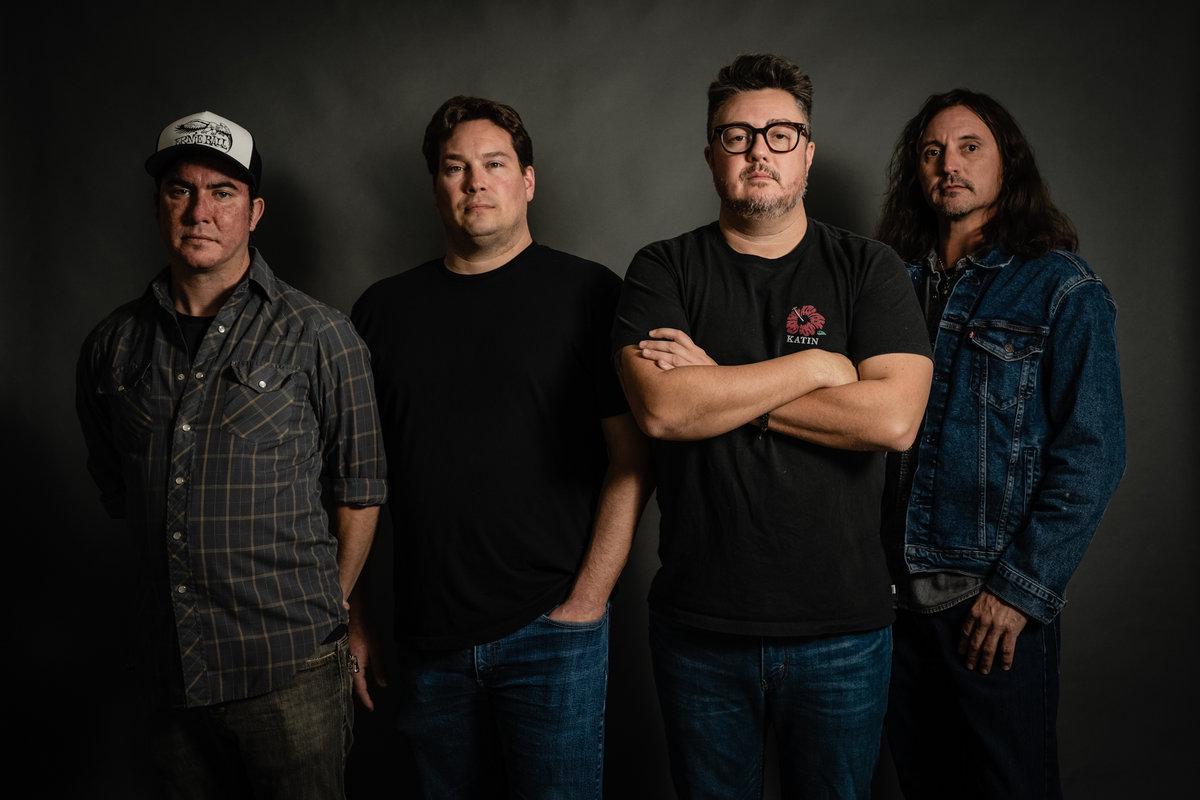
Joshua Ketchmark

Rock
Folk Rock
Contemporary Blues
 Viberate Rank: 444153
 Viberate Rank: 444153
 Monthly ListenersFollowers
 Subscribers
 Followers
 Followers
 FansTop Spotify Songs
| Track | 7-Day Streams | |
|---|---|---|
1 | 3 | |
2 | 3 | |
3 | 3 | |
4 | 2 | |
5 | 2 |
Top YouTube VideosMonthly ListenersFeatured in Playlists| Playlist | Followers | |
|---|---|---|
1 | Humbe | ENTROPÍA Luna Allison | 8.64K |
2 |  TheFreshTen: editors choice cutz. rising stars #2 e1u0w97kgs4pil8un5w6zjxe6 | 5.58K |
3 |  TheFreshTen: Indie e1u0w97kgs4pil8un5w6zjxe6 | 4.67K |
4 | Music to test Hifi with (Collaborative) _superb_ | 2.44K |
5 | Collaborative by Megamind Magazine megamind | 2.17K |
Audience| City | Monthly Listeners | |
|---|---|---|
1 | | 3 |
See full performance history, audience data, playlist activity, rankings, comparisons, and more in Viberate music analytics. Start with a free trial, then continue with a paid plan.
Joshua Ketchmark’s Spotify BioBLOOD is the tenth studio album by american singer songwriter Joshua Ketchmark. It follows up the 2021 album ’The Huntington Hotel.’ The album was produced and mixed by Ketchmark and document’s Ketchmarks past. Ketchmark has stated that the album is based on true events and that the title is inspired not only by the lyrical subject matter but also by those involved with the making of the record.
All of the songs on BLOOD were written by Ketchmark, and a significant amount of the songwriting for the album took place in the later part of 2018 and beginning of 2019. The recording process started in the spring of 2020 and took place in various studios throughout California, Arizona, Georgia, and Tennessee. It all coame together to be completed and mixed at Ketchmarks studio ‘Black Gold Speakeasy’ in Nashville, TN.
BLOOD includes appearances by drummer Zak St. John (Black Star Riders), and bassist Ger Hoffman (Joe Diffie), with the majority of the piano and organ being played by Michael Webb… (Chris Stapleton), Tony Paoletta (Travis Tritt) contributed lap steel, Sadler Vaden (Jason Isbell and the 400 unit) played guitar on 8 of the 12 songs, and Nick Nguyen (Bonepony) added banjo and viola. The harmonies and backup vocals on BLOOD include guest appearances by Candace Devine (Ponderosa Grove), Heather Luttrel, CC Wyle (Wyle), Kenny Wright (The Great Affairs), Dvniel and Joey O.
BLOOD was mastered by Michael Bozzi at Bernie Grundman Mastering in Hollywood, CA.
Viberate is a music analytics platform built for A&Rs, artist managers, labels, booking agents, marketers, and artists.
It helps music professionals track artist growth, analyze audience data, monitor playlist activity, compare artists, follow song performance, and identify opportunities across the music market.
Public artist pages provide a free preview of selected artist data. Paid plans provide access to deeper analytics, historical data, charts, comparisons, playlist tools, exports, alerts, reports, and additional professional features.
Yes. Public Viberate artist pages provide selected artist analytics and music data for free.
Viberate also offers a 7-day free trial of the full platform. A credit card is required to start the trial. The trial includes access to the complete product so users can test deeper artist analytics, historical views, playlist insights, comparisons, charts, exports, alerts, and reporting features before choosing a paid plan.
Viberate provides artist analytics across streaming, playlists, social media, video, radio airplay, songs, and audience markets.
Users can analyze Spotify performance, Spotify and Apple Music playlists, YouTube activity, TikTok and Instagram growth, radio spins, song performance, audience locations, demographics, rankings, and overall artist momentum.
Artist profiles also connect to music charts, similar artists, and comparison tools, helping users benchmark performance and evaluate artists in context.
Viberate updates key artist and track data daily.
For followed artists and tracks, selected data is refreshed multiple times per day. This helps teams monitor playlist changes, streaming movement, audience growth, releases, and campaign performance with more current data.
Update frequency can vary depending on the metric and data source.
Yes. Viberate lets users compare up to five artists side by side across streaming, social media, audience, and engagement metrics.
Users can compare fanbase growth, audience demographics, locations, Spotify performance, social metrics, and other artist data over selected time periods.
Artist comparison can be used for A&R scouting, benchmarking, booking decisions, campaign planning, and evaluating artists with similar audiences or market positions.