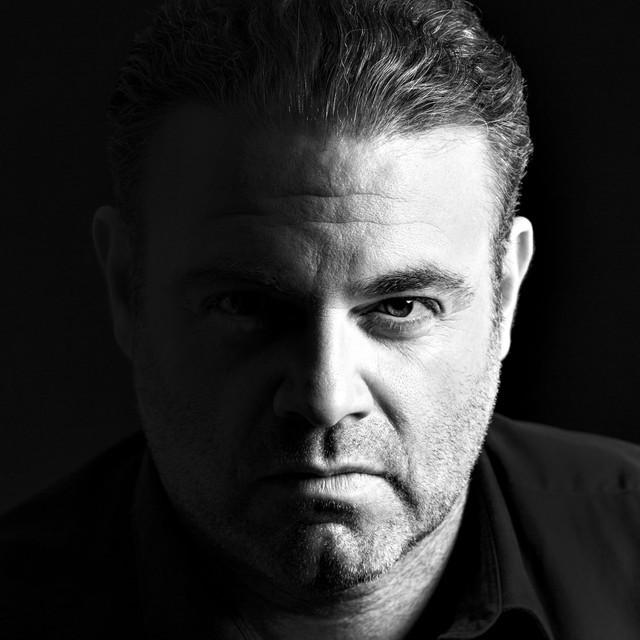
Joseph Calleja

Classical
Opera
 Viberate Rank: 149152
 Viberate Rank: 149152
 Monthly ListenersFollowers
 Subscribers
 Followers
 Followers
 FansTop Spotify Songs
| Track | 7-Day Streams | |
|---|---|---|
1 | 4.52K | |
2 | 3.24K | |
3 | 2.12K | |
4 | 1.25K | |
5 | 1.06K |
Top YouTube VideosMonthly ListenersFeatured in Playlists| Playlist | Followers | |
|---|---|---|
1 |  Opera Classics Spotify | 605.61K |
2 |  Opera Classics Decca Records US | 376.26K |
3 |  This Is Puccini Spotify | 86.03K |
4 |  Opera Arias: Best of Udiscovermusic classical | 42.80K |
5 |  Exam Study Classical Music Orchestra – Exam Study Classical Music to Increase Brain Power, Classical Study Music for Relaxation, Concentration and Focus on Learning - Classical Music and Classical ... Santiago Jaramillo | 28.36K |
Audience| City | Monthly Listeners | |
|---|---|---|
1 |  | 944 |
2 |  | 619 |
3 | | 589 |
4 |  | 583 |
5 |  | 496 |
See full performance history, audience data, playlist activity, rankings, comparisons, and more in Viberate music analytics. Start with a free trial, then continue with a paid plan.
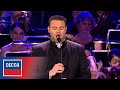
Joseph Calleja’s Spotify BioTenor Joseph Calleja has inspired, from reputable organs such as The New Yorker, comparisons with such legendary figures as Luciano Pavarotti and even Beniamino Gigli. His distinctive voice, with a rapid vibrato, carries for some observers a mood reminiscent of his native Malta.
Calleja was born in Attard, Malta, on January 22, 1978. His training was fairly brief and took place entirely in his home country. He was inspired to become a singer by the Mario Lanza film The Great Caruso when he was about 13. He joined a choir, began taking piano lessons, and started doing vocal exercises and solfège. It was not until 1994 that Calleja began voice lessons with tenor Paul Asciak, who said, "Over a period of three years Joseph's voice assumed many of the qualities of this old school of singing, and developed beautifully into a light, flexible and mellow instrument with both a distinctive timbre and a promising ringing top."
After those three years, Calleja began to make an international impact.… He toured Italy with a program of operatic arias and made his non-Maltese debut in 1997 in Donizetti's Maria Stuarda with the Netherlands Reisopera. He won several major prizes, including one in Plácido Domingo's 1999 Operalia International Opera Competition, and those led to bigger operatic roles in Italy and increasingly around Europe and Britain. He made his U.S. debut as Rinuccio in Puccini's Gianni Schicchi at the Spoleto Festival in Charleston, South Carolina. After the turn of the century came debuts at major European houses: he appeared for the first time at the Bayerische Staatsoper München and the Frankfurt Opera as Rodolfo in Puccini's La bohème, then made debuts as the Duke in Verdi's Rigoletto at the Royal Opera House, Covent Garden and the Royal Theatre, Copenhagen. Calleja released his first album, Tenor Arias, on the Decca label in 2004. The conductor was Riccardo Chailly, who called him "a voice that could match the past." He has often appeared at the Bavarian State Opera in Munich, and in 2017-2018, he was featured in a production of Bellini's Norma at the Metropolitan Opera in New York. At home in Malta, he has performed an annual outdoor concert at the Granaries plaza in the city of Fosos; the first one featured pop tenor Michael Bolton and later concerts have included other crossover collaborators.
Calleja has continued to record for Decca. He was named Gramophone magazine's Artist of the Year in 2012, headlined the Last Night of the Proms at the Royal Albert Hall in London, and released a tribute to Mario Lanza, the artist who had inspired him. Calleja's career as a solo recording artist picked up in the late 2010s with the recital Verdi in 2018 and with the 2020 album The Magic of Mantovani, where he was featured on vocal tracks newly added to classic light music ("easy listening") recordings of the single-named conductor and orchestra leader Mantovani. He returned in 2023 with the album Sacred Arias. ~ James Manheim, Rovi
Viberate is a music analytics platform built for A&Rs, artist managers, labels, booking agents, marketers, and artists.
It helps music professionals track artist growth, analyze audience data, monitor playlist activity, compare artists, follow song performance, and identify opportunities across the music market.
Public artist pages provide a free preview of selected artist data. Paid plans provide access to deeper analytics, historical data, charts, comparisons, playlist tools, exports, alerts, reports, and additional professional features.
Yes. Public Viberate artist pages provide selected artist analytics and music data for free.
Viberate also offers a 7-day free trial of the full platform. A credit card is required to start the trial. The trial includes access to the complete product so users can test deeper artist analytics, historical views, playlist insights, comparisons, charts, exports, alerts, and reporting features before choosing a paid plan.
Viberate provides artist analytics across streaming, playlists, social media, video, radio airplay, songs, and audience markets.
Users can analyze Spotify performance, Spotify and Apple Music playlists, YouTube activity, TikTok and Instagram growth, radio spins, song performance, audience locations, demographics, rankings, and overall artist momentum.
Artist profiles also connect to music charts, similar artists, and comparison tools, helping users benchmark performance and evaluate artists in context.
Viberate updates key artist and track data daily.
For followed artists and tracks, selected data is refreshed multiple times per day. This helps teams monitor playlist changes, streaming movement, audience growth, releases, and campaign performance with more current data.
Update frequency can vary depending on the metric and data source.
Yes. Viberate lets users compare up to five artists side by side across streaming, social media, audience, and engagement metrics.
Users can compare fanbase growth, audience demographics, locations, Spotify performance, social metrics, and other artist data over selected time periods.
Artist comparison can be used for A&R scouting, benchmarking, booking decisions, campaign planning, and evaluating artists with similar audiences or market positions.