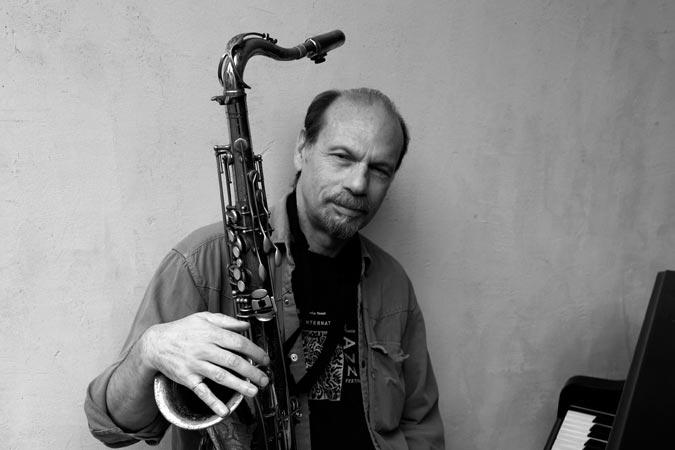
Joseph Bowie

R&B
Funk
Free Jazz
Smooth Jazz
 Viberate Rank: 564523
 Viberate Rank: 564523
 Monthly ListenersFollowers
 Subscribers
 Followers
 Followers
 FansTop Spotify Songs
| Track | 7-Day Streams | |
|---|---|---|
1 | 98 | |
2 | 31 | |
3 | 26 | |
4 | 18 | |
5 | 15 |
Top YouTube Videos| Video | 7-Day Views | |
|---|---|---|
1 | 4 | |
2 | 2 | |
3 | 2 | |
4 | 1 | |
5 | 1 |
Monthly ListenersFeatured in Playlists| Playlist | Followers | |
|---|---|---|
1 |  j*zz for crazy people Sam Revaz | 9.10K |
2 |  Deep Spiritual Jazz Neil Lampert | 7.31K |
3 |  Mystery Train with John Kelly rtelyricfm | 5.57K |
4 |  The Sound of Avant-Garde Jazz The Sounds of Spotify | 4.05K |
5 |  FUNK PARTY SESSION yomitsuhuni | 2.52K |
Audience| City | Monthly Listeners | |
|---|---|---|
1 |  | 3 |
2 |  | 3 |
See full performance history, audience data, playlist activity, rankings, comparisons, and more in Viberate music analytics. Start with a free trial, then continue with a paid plan.
Joseph Bowie’s Spotify Biob. St. Louis, Missouri, USA. Younger brother of trumpeter Lester Bowie, Joseph learned piano and congas but finally settled with trombone. At the age of 15 he played with bluesmen Albert King and Little Milton and soul saxophonist Oliver Sain. He spent two years in Paris with other members of BAG (Black Artists Group), then in the late 70s recorded with Charles ‘Bobo’ Shaw in the Human Arts Ensemble and the St. Louis Creative Ensemble before returning to New York to work with the Contortions, James Chance’s harmolodic/punk, no wave group. The horn section became an opening act and then a band in its own right: Defunkt. This unit combined jazz chops and nouveau -funk cheer, touring with the Clash and Talking Heads and releasing several excellent studio albums.
After a heroin-induced hiatus on the island of St. Croix, Bowie returned in 1986 with an amazing physique and reassembled Defunkt. The new line-up, which featured Kim Annette Clarke’s bass guitar (described by one reviewer as… ‘funky as the chain on Judge Dredd’s motorbike’), returned to the studio to record the critically acclaimed In America. Since then, Bowie and Defunkt have steered between dance music and avant garde jazz with a verve that makes nonsense of the usual pigeonholes. In addition to his work with Defunkt, Bowie’s busy schedule has included work with the Chicago-based African blues trio the Ethnic Heritage Ensemble, Charlie Haden’s Liberation Orchestra, the Vienna Art Orchestra, and the David Murray Big Band.
Viberate is a music analytics platform built for A&Rs, artist managers, labels, booking agents, marketers, and artists.
It helps music professionals track artist growth, analyze audience data, monitor playlist activity, compare artists, follow song performance, and identify opportunities across the music market.
Public artist pages provide a free preview of selected artist data. Paid plans provide access to deeper analytics, historical data, charts, comparisons, playlist tools, exports, alerts, reports, and additional professional features.
Yes. Public Viberate artist pages provide selected artist analytics and music data for free.
Viberate also offers a 7-day free trial of the full platform. A credit card is required to start the trial. The trial includes access to the complete product so users can test deeper artist analytics, historical views, playlist insights, comparisons, charts, exports, alerts, and reporting features before choosing a paid plan.
Viberate provides artist analytics across streaming, playlists, social media, video, radio airplay, songs, and audience markets.
Users can analyze Spotify performance, Spotify and Apple Music playlists, YouTube activity, TikTok and Instagram growth, radio spins, song performance, audience locations, demographics, rankings, and overall artist momentum.
Artist profiles also connect to music charts, similar artists, and comparison tools, helping users benchmark performance and evaluate artists in context.
Viberate updates key artist and track data daily.
For followed artists and tracks, selected data is refreshed multiple times per day. This helps teams monitor playlist changes, streaming movement, audience growth, releases, and campaign performance with more current data.
Update frequency can vary depending on the metric and data source.
Yes. Viberate lets users compare up to five artists side by side across streaming, social media, audience, and engagement metrics.
Users can compare fanbase growth, audience demographics, locations, Spotify performance, social metrics, and other artist data over selected time periods.
Artist comparison can be used for A&R scouting, benchmarking, booking decisions, campaign planning, and evaluating artists with similar audiences or market positions.