Joris Vanvinckenroye

Classical
Classical Crossover
Alternative Rock
 Viberate Rank: 761745
 Viberate Rank: 761745
 Monthly ListenersFollowers
 Subscribers
 Followers
 Followers
 FansTop Spotify Songs
| Track | 7-Day Streams | |
|---|---|---|
1 | 85 | |
2 | 72 | |
3 | 35 | |
4 | 27 | |
5 | 19 |
Top YouTube VideosMonthly ListenersFeatured in Playlists| Playlist | Followers | |
|---|---|---|
1 | 5.1+ Surround Sound Audio Test Sven Kruse | 12.18K |
Audience| City | Monthly Listeners | |
|---|---|---|
1 |  | 41 |
2 | | 14 |
3 | | 14 |
4 | | 8 |
5 | | 6 |
See full performance history, audience data, playlist activity, rankings, comparisons, and more in Viberate music analytics. Start with a free trial, then continue with a paid plan.
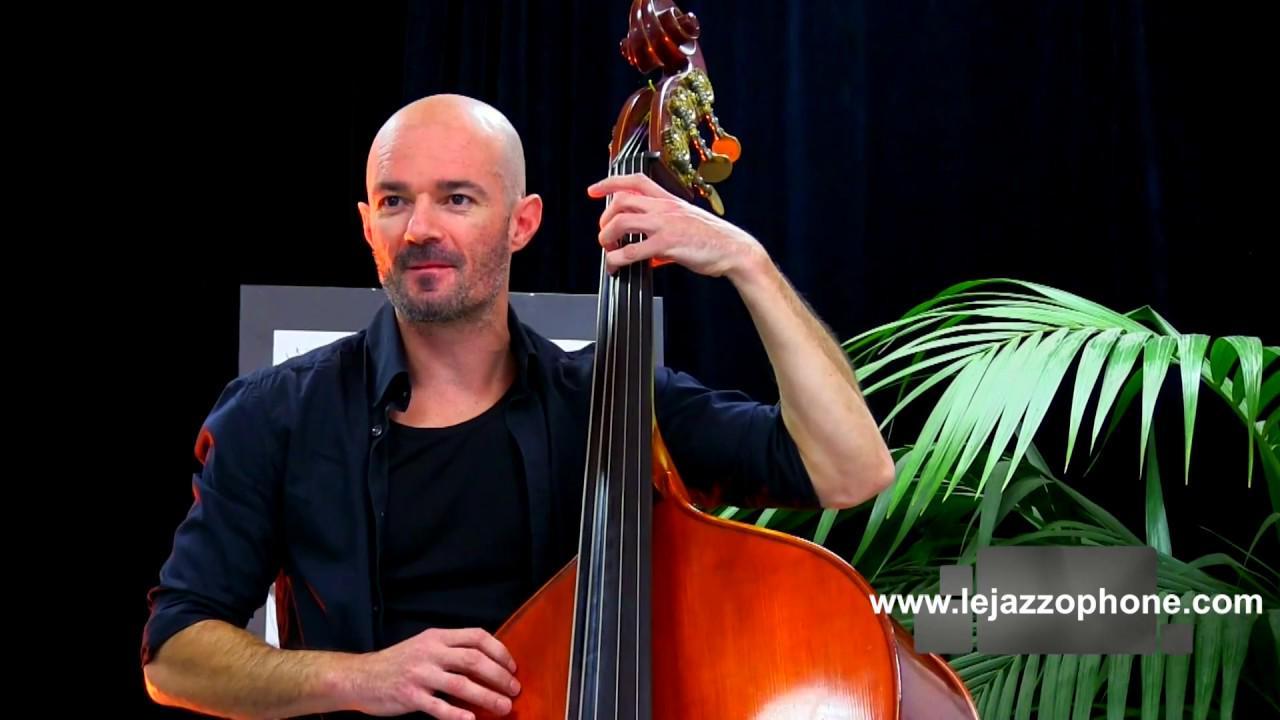
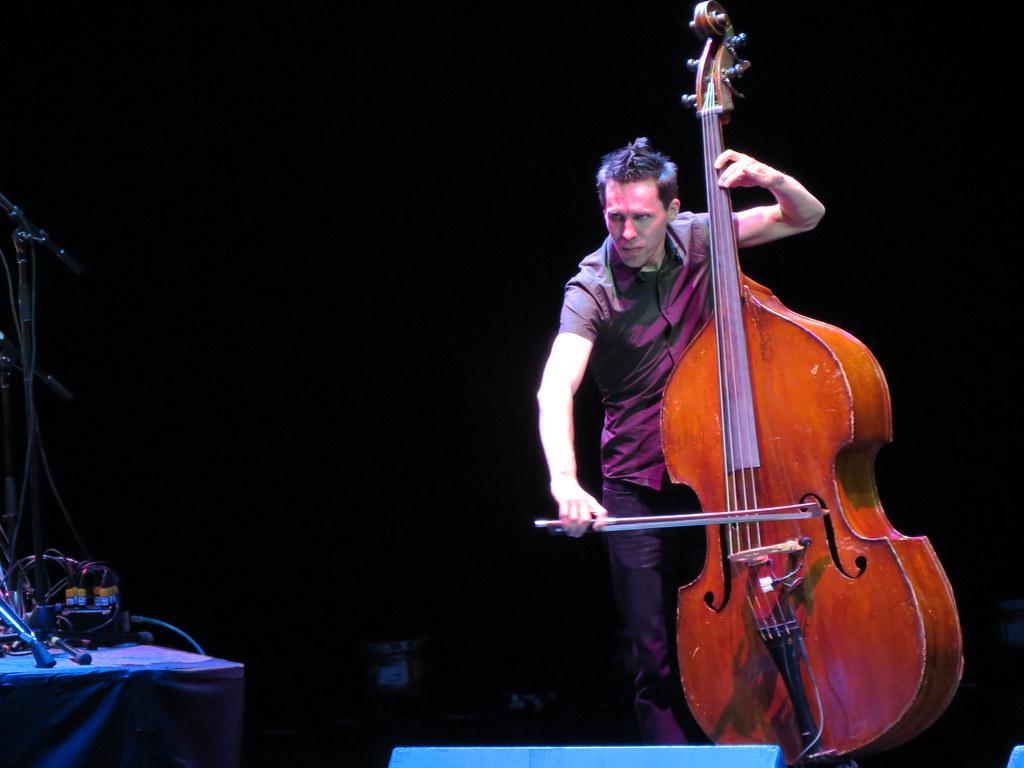
Joris Vanvinckenroye’s Spotify BioJoris Vanvinckenroye is a Flemish avant-rock and experimental double bass musician and composer. He is best known for Aranis, a classical chamber rock group he founded and leads, Troissoeur, MOTYK and BASta!
Vanvinckenroye has performed in Europe and the United States, and recorded seven albums with Aranis. As BASta!, he released two albums. A review at AllMusic described his album Cycles as "a fabulous showcase for the talents of Joris Vanvinckenroye".
Joris Vanvinckenroye began studying double bass when he was 16. He studied at the Royal Flemish Conservatoire in Antwerp, where he obtained a master's degree in double bass in 2005.
In 1994, Vanvinckenroye co-founded Troissoeur, an avant folk group, who toured Europe, China and Taiwan. In 2002 Vanvinckenroye founded and led Aranis, an acoustic avant-rock, experimental and classical chamber music group. Between 2005 and 2017, Aranis recorded seven albums and performed in Europe, Japan and the United States.
In 2009 Vanvinckenroye created a… solo project called BASta! playing him on double bass with a loop sampler creating a multi-layered sound.
Vanvinckenroye also composes music for dance and theatre. He has collaborated with Retina Dance Company, composing music and performing it live in three of their productions and since 2009 he has been touring with Rode Boom company. Rode Boom is using techniques of mentalism in combination with other art forms.
Viberate is a music analytics platform built for A&Rs, artist managers, labels, booking agents, marketers, and artists.
It helps music professionals track artist growth, analyze audience data, monitor playlist activity, compare artists, follow song performance, and identify opportunities across the music market.
Public artist pages provide a free preview of selected artist data. Paid plans provide access to deeper analytics, historical data, charts, comparisons, playlist tools, exports, alerts, reports, and additional professional features.
Yes. Public Viberate artist pages provide selected artist analytics and music data for free.
Viberate also offers a 7-day free trial of the full platform. A credit card is required to start the trial. The trial includes access to the complete product so users can test deeper artist analytics, historical views, playlist insights, comparisons, charts, exports, alerts, and reporting features before choosing a paid plan.
Viberate provides artist analytics across streaming, playlists, social media, video, radio airplay, songs, and audience markets.
Users can analyze Spotify performance, Spotify and Apple Music playlists, YouTube activity, TikTok and Instagram growth, radio spins, song performance, audience locations, demographics, rankings, and overall artist momentum.
Artist profiles also connect to music charts, similar artists, and comparison tools, helping users benchmark performance and evaluate artists in context.
Viberate updates key artist and track data daily.
For followed artists and tracks, selected data is refreshed multiple times per day. This helps teams monitor playlist changes, streaming movement, audience growth, releases, and campaign performance with more current data.
Update frequency can vary depending on the metric and data source.
Yes. Viberate lets users compare up to five artists side by side across streaming, social media, audience, and engagement metrics.
Users can compare fanbase growth, audience demographics, locations, Spotify performance, social metrics, and other artist data over selected time periods.
Artist comparison can be used for A&R scouting, benchmarking, booking decisions, campaign planning, and evaluating artists with similar audiences or market positions.