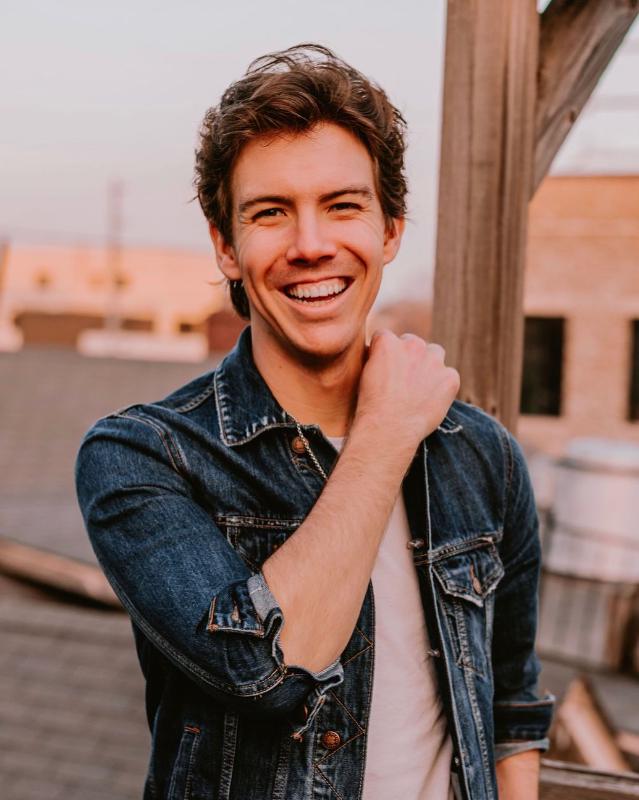
Jordan Kirkdorffer

Country
Contemporary Country
Mainstream Pop
 Viberate Rank: 390233
 Viberate Rank: 390233
 Monthly ListenersFollowers
 Subscribers
 Followers
 Followers
 FansTop Spotify SongsTop YouTube VideosMonthly ListenersFeatured in Playlists
| Playlist | Followers | |
|---|---|---|
1 |  The Voice ✌🏻 Fernando Maciel | 9.30K |
2 |  WHITE GIRL ANTHEMS Patty Dyball | 8.12K |
3 | JOKER SOUNDTRACKS HATUN MUSIC | 2.29K |
4 | The Voice Performances (Studio Version) Ariff Firmansyah | 2.03K |
Audience| City | Monthly Listeners | |
|---|---|---|
1 | | 5 |
2 | | 4 |
3 |  | 3 |
4 | | 3 |
5 |  | 3 |
See full performance history, audience data, playlist activity, rankings, comparisons, and more in Viberate music analytics. Start with a free trial, then continue with a paid plan.
Jordan Kirkdorffer’s Spotify BioGrowing up singing in the church in his hometown of rural New Paris, Indiana, from an early age Jordan Kirkdorffer was influenced by a vast array of eclectic artists, ranging from Vince Gill, Garth Brooks and Trisha Yearwood to Maroon 5, Justin Timberlake and Whitney Houston.
Jordan first pursued a career in the business world as an accountant, thinking singing would only be a hobby, but then unexpectedly found himself on the national stage as a contestant on NBC's The Voice. What began on a whim turned into an entire career change for Jordan.
From that moment on, music has been his sole focus. Adam Levine, frontman of Maroon 5, described him as multi-faceted, a country singer with aspects of soul and pop. Blake Shelton chose Jordan to be on his team, saying he was someone who was different and special.
After exiting The Voice, Jordan didn't waste any time pursuing his passion. He quickly got to work, writing music and playing shows in Macon, Chicago and his first-ever hometown show in… Goshen, Indiana.
Viberate is a music analytics platform built for A&Rs, artist managers, labels, booking agents, marketers, and artists.
It helps music professionals track artist growth, analyze audience data, monitor playlist activity, compare artists, follow song performance, and identify opportunities across the music market.
Public artist pages provide a free preview of selected artist data. Paid plans provide access to deeper analytics, historical data, charts, comparisons, playlist tools, exports, alerts, reports, and additional professional features.
Yes. Public Viberate artist pages provide selected artist analytics and music data for free.
Viberate also offers a 7-day free trial of the full platform. A credit card is required to start the trial. The trial includes access to the complete product so users can test deeper artist analytics, historical views, playlist insights, comparisons, charts, exports, alerts, and reporting features before choosing a paid plan.
Viberate provides artist analytics across streaming, playlists, social media, video, radio airplay, songs, and audience markets.
Users can analyze Spotify performance, Spotify and Apple Music playlists, YouTube activity, TikTok and Instagram growth, radio spins, song performance, audience locations, demographics, rankings, and overall artist momentum.
Artist profiles also connect to music charts, similar artists, and comparison tools, helping users benchmark performance and evaluate artists in context.
Viberate updates key artist and track data daily.
For followed artists and tracks, selected data is refreshed multiple times per day. This helps teams monitor playlist changes, streaming movement, audience growth, releases, and campaign performance with more current data.
Update frequency can vary depending on the metric and data source.
Yes. Viberate lets users compare up to five artists side by side across streaming, social media, audience, and engagement metrics.
Users can compare fanbase growth, audience demographics, locations, Spotify performance, social metrics, and other artist data over selected time periods.
Artist comparison can be used for A&R scouting, benchmarking, booking decisions, campaign planning, and evaluating artists with similar audiences or market positions.