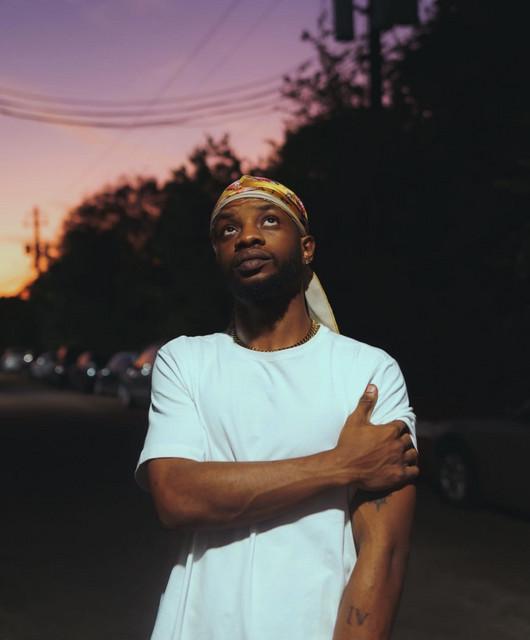
Jordan Cortez

Hip Hop
Contemporary Hip Hop
Trap
 Viberate Rank: 214201
 Viberate Rank: 214201
 Monthly ListenersFollowers
 Subscribers
 Followers
 Followers
 FansTop Spotify Songs
| Track | 7-Day Streams | |
|---|---|---|
1 | 118 | |
2 | 53 | |
3 | 27 | |
4 | 24 | |
5 | 16 |
Top YouTube VideosMonthly ListenersFeatured in Playlists| Playlist | Followers | |
|---|---|---|
1 | GYM RAP & HIP-HOP RapLab | 4.05K |
Audience| City | Monthly Listeners | |
|---|---|---|
1 |  | 15 |
2 | | 15 |
3 |  | 12 |
4 |  | 12 |
5 | | 11 |
See full performance history, audience data, playlist activity, rankings, comparisons, and more in Viberate music analytics. Start with a free trial, then continue with a paid plan.
Jordan Cortez’s Spotify BioWhen the outside world grew inactive in mid-2020, there was a shifting moment in media and music history. For many fans of both, TikTok became their hopeful refuge. But Jordan Cortez—just 16 years old at the time, had no audience or portfolio; he recorded into an EarPods mic over YouTube beats in GarageBand. Still, he had a vision. Nearly three years later, Jordan would share a piece of that vision for the first time: a 2-minute TikTok video of himself freestyling Jack Harlow's "Churchill Downs (feat. Drake) " beat in a room full of his peers. At first, no one imagined anything special—with 60 followers and nothing else to show for, what could the clip possibly achieve? Nothing, right?
Cortez woke up with 5K followers and a viral, now 1.4M-viewed video; the kickstart to a series he dubbed ‘The Classroom’. Since then, he’s gained over 110K followers and 2M likes on the platform. Born January 8, 2004 in Milwaukee, WI, Jordan is known for his infectious "Classroom" wordplay and flows, but… here he discovers identity over some seriously cinematic production—synth pads (“1000X”), violin scores (“NOT TODAY”) and booming 808s (“conflicted”).
Now that he's won the hearts of freestyle-rap fans, Cortez is readying his first LP—but he’s far from who he wants to become. So much so, he’d take a year-long hiatus to focus on his spiritual health. “These songs aren’t just about being the best version of myself, they're also [about] realizing when I’m down and knowing how to get back up.”
Viberate is a music analytics platform built for A&Rs, artist managers, labels, booking agents, marketers, and artists.
It helps music professionals track artist growth, analyze audience data, monitor playlist activity, compare artists, follow song performance, and identify opportunities across the music market.
Public artist pages provide a free preview of selected artist data. Paid plans provide access to deeper analytics, historical data, charts, comparisons, playlist tools, exports, alerts, reports, and additional professional features.
Yes. Public Viberate artist pages provide selected artist analytics and music data for free.
Viberate also offers a 7-day free trial of the full platform. A credit card is required to start the trial. The trial includes access to the complete product so users can test deeper artist analytics, historical views, playlist insights, comparisons, charts, exports, alerts, and reporting features before choosing a paid plan.
Viberate provides artist analytics across streaming, playlists, social media, video, radio airplay, songs, and audience markets.
Users can analyze Spotify performance, Spotify and Apple Music playlists, YouTube activity, TikTok and Instagram growth, radio spins, song performance, audience locations, demographics, rankings, and overall artist momentum.
Artist profiles also connect to music charts, similar artists, and comparison tools, helping users benchmark performance and evaluate artists in context.
Viberate updates key artist and track data daily.
For followed artists and tracks, selected data is refreshed multiple times per day. This helps teams monitor playlist changes, streaming movement, audience growth, releases, and campaign performance with more current data.
Update frequency can vary depending on the metric and data source.
Yes. Viberate lets users compare up to five artists side by side across streaming, social media, audience, and engagement metrics.
Users can compare fanbase growth, audience demographics, locations, Spotify performance, social metrics, and other artist data over selected time periods.
Artist comparison can be used for A&R scouting, benchmarking, booking decisions, campaign planning, and evaluating artists with similar audiences or market positions.