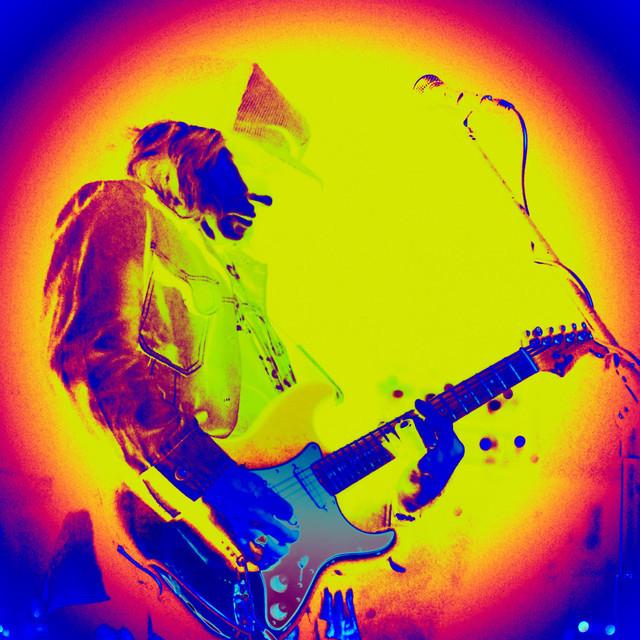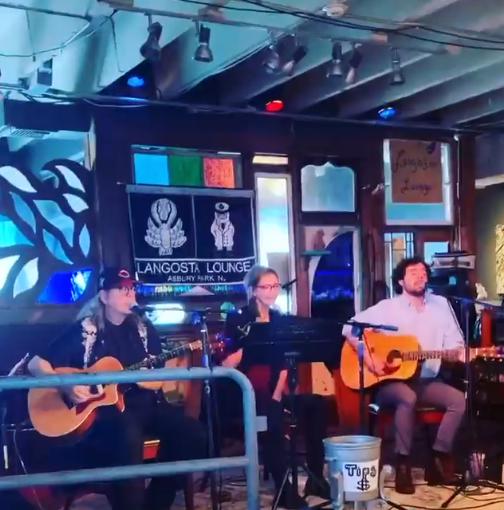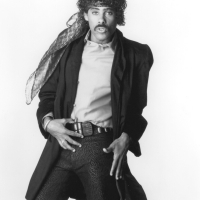
Jon Butcher

Blues
Blues Rock
Contemporary Blues
 Viberate Rank: 305486
 Viberate Rank: 305486
 Monthly ListenersFollowers
 Subscribers
 Followers
 Followers
 FansTop Spotify Songs
| Track | 7-Day Streams | |
|---|---|---|
1 | 85 | |
2 | 29 | |
3 | 26 | |
4 | 14 | |
5 | 11 |
Top YouTube VideosMonthly ListenersFeatured in Playlists| Playlist | Followers | |
|---|---|---|
1 |  Blues Ballads/ Slow Blues Joar Fosså | 39.54K |
2 |  Midnight Blues Helmut Neubauer | 3.81K |
3 | BLUS Biergarten Mönchshof | 2.39K |
Audience| City | Monthly Listeners | |
|---|---|---|
1 | | 5 |
2 |  | 4 |
3 |  | 4 |
4 | | 3 |
5 |  | 3 |
See full performance history, audience data, playlist activity, rankings, comparisons, and more in Viberate music analytics. Start with a free trial, then continue with a paid plan.
Jon Butcher’s Spotify BioJimi Hendrix disciple Jon Butcher achieved some moderate chart success in the mid-'80s as the singer/guitarist for the Jon Butcher Axis. Coming out of the Boston club scene in the early '80s, the Butcher Axis (which also included members Chris Mann on bass and Derek Blevins on drums), issued such albums as 1983's self-titled debut, 1984's Stare at the Sun, and 1985's Along the Axis (Butcher dropped the Axis for such releases as 1986's Wishes and 1989's Pictures From the Front), opened for local Boston heroes the J. Geils Band in addition to other harder-edged bands, and issued a few singles that enjoyed some success on radio and MTV -- "Wishes," "Goodbye Saving Grace," and "Life Takes a Life." Butcher continued issuing solo albums in the '90s -- Positively the Blues (1995) and Electric Factory (1996) -- while a hits compilation (1998's The Best Of: Dreamers Would Ride) and an archival concert (1999's King Biscuit Flower Hour Presents) were also issued. In addition to his musical… career, Butcher founded the Electric Factory Recording Studio, which focuses primarily on film, TV, and multimedia work. ~ Greg Prato, Rovi
Viberate is a music analytics platform built for A&Rs, artist managers, labels, booking agents, marketers, and artists.
It helps music professionals track artist growth, analyze audience data, monitor playlist activity, compare artists, follow song performance, and identify opportunities across the music market.
Public artist pages provide a free preview of selected artist data. Paid plans provide access to deeper analytics, historical data, charts, comparisons, playlist tools, exports, alerts, reports, and additional professional features.
Yes. Public Viberate artist pages provide selected artist analytics and music data for free.
Viberate also offers a 7-day free trial of the full platform. A credit card is required to start the trial. The trial includes access to the complete product so users can test deeper artist analytics, historical views, playlist insights, comparisons, charts, exports, alerts, and reporting features before choosing a paid plan.
Viberate provides artist analytics across streaming, playlists, social media, video, radio airplay, songs, and audience markets.
Users can analyze Spotify performance, Spotify and Apple Music playlists, YouTube activity, TikTok and Instagram growth, radio spins, song performance, audience locations, demographics, rankings, and overall artist momentum.
Artist profiles also connect to music charts, similar artists, and comparison tools, helping users benchmark performance and evaluate artists in context.
Viberate updates key artist and track data daily.
For followed artists and tracks, selected data is refreshed multiple times per day. This helps teams monitor playlist changes, streaming movement, audience growth, releases, and campaign performance with more current data.
Update frequency can vary depending on the metric and data source.
Yes. Viberate lets users compare up to five artists side by side across streaming, social media, audience, and engagement metrics.
Users can compare fanbase growth, audience demographics, locations, Spotify performance, social metrics, and other artist data over selected time periods.
Artist comparison can be used for A&R scouting, benchmarking, booking decisions, campaign planning, and evaluating artists with similar audiences or market positions.