Johnny Hiland

Country
Americana/Alt Country
Blues Rock
 Viberate Rank: 194512
 Viberate Rank: 194512
 Monthly ListenersFollowers
 Subscribers
 Followers
 Followers
 FansTop Spotify Songs
| Track | 7-Day Streams | |
|---|---|---|
1 | 1.16K | |
2 | 557 | |
3 | 416 | |
4 | 247 | |
5 | 242 |
Top YouTube VideosMonthly ListenersFeatured in Playlists| Playlist | Followers | |
|---|---|---|
1 |  String Theory Spotify | 166.88K |
2 | 60 Best Bluegrass Songs of All Time Student of Guitar | 17.57K |
3 | kevinkonings | 6.28K |
4 | Blues Rock Maxime | 4.51K |
5 |  Hooked on Classics Upbeat Instrumental for Work & Studying 1228799150 | 3.64K |
Audience| City | Monthly Listeners | |
|---|---|---|
1 |  | 93 |
2 | | 92 |
3 | | 85 |
4 |  | 80 |
5 |  | 68 |
See full performance history, audience data, playlist activity, rankings, comparisons, and more in Viberate music analytics. Start with a free trial, then continue with a paid plan.
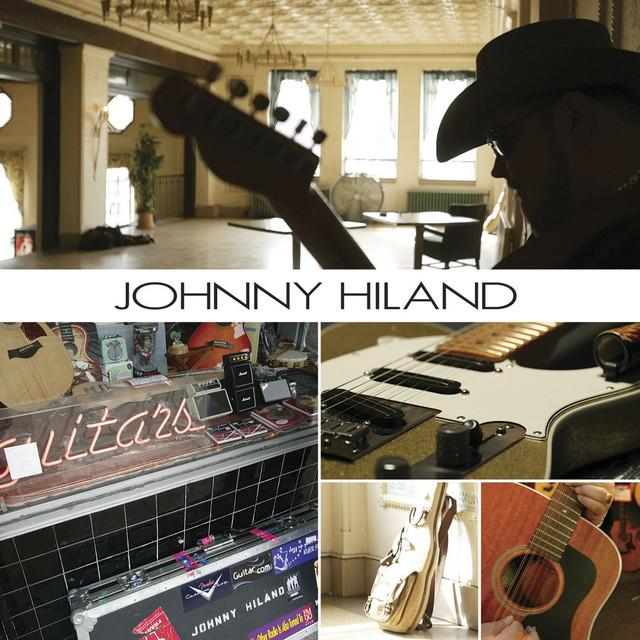
Johnny Hiland’s Spotify BioGuitarist Johnny Hiland was born with nystagmus, a medical condition causing involuntary eye movement and rendering him legally blind. He grew up in a trailer home in Woodland, ME, and took to the guitar at a young age. At eight, he joined his family's band, the Three Js, which toured New England under the auspices of the Down East Country Music Association. At ten, Hiland won the Talent America contest, entitling him to a performance in New York City. In high school, his musical tastes extended beyond bluegrass to the guitar rock of players like Joe Satriani and Eddie Van Halen. After high school, he attended the University of Southern Maine as a history major, but ultimately dropped out to become a professional musician.
In 1996, he moved to Nashville, where he quickly attracted attention at local clubs, earning a residency at the World-Famous Turf and, when that club was destroyed by a tornado in 1998, at Robert's Western Wear with Don Kelly's band. He backed Gary Chapman at the… Ryman Auditorium, home of the Grand Ole Opry, and became the first unsigned artist in Nashville to receive an endorsement deal with Fender musical instruments. After his manager left part of a demo on Steve Vai's voice mail, Vai called back with an offer for Hiland to sign to his Favored Nations label. There followed two years of trial-and-error preparation for Hiland's first album of original country and rock guitar instrumentals, Johnny Hiland, released in August 2004. Meanwhile, Hiland had become a busy session musician in Nashville, recording with Ricky Skaggs, Toby Keith, Randy Travis, Janie Fricke, and Lynn Anderson. ~ William Ruhlmann, Rovi
Viberate is a music analytics platform built for A&Rs, artist managers, labels, booking agents, marketers, and artists.
It helps music professionals track artist growth, analyze audience data, monitor playlist activity, compare artists, follow song performance, and identify opportunities across the music market.
Public artist pages provide a free preview of selected artist data. Paid plans provide access to deeper analytics, historical data, charts, comparisons, playlist tools, exports, alerts, reports, and additional professional features.
Yes. Public Viberate artist pages provide selected artist analytics and music data for free.
Viberate also offers a 7-day free trial of the full platform. A credit card is required to start the trial. The trial includes access to the complete product so users can test deeper artist analytics, historical views, playlist insights, comparisons, charts, exports, alerts, and reporting features before choosing a paid plan.
Viberate provides artist analytics across streaming, playlists, social media, video, radio airplay, songs, and audience markets.
Users can analyze Spotify performance, Spotify and Apple Music playlists, YouTube activity, TikTok and Instagram growth, radio spins, song performance, audience locations, demographics, rankings, and overall artist momentum.
Artist profiles also connect to music charts, similar artists, and comparison tools, helping users benchmark performance and evaluate artists in context.
Viberate updates key artist and track data daily.
For followed artists and tracks, selected data is refreshed multiple times per day. This helps teams monitor playlist changes, streaming movement, audience growth, releases, and campaign performance with more current data.
Update frequency can vary depending on the metric and data source.
Yes. Viberate lets users compare up to five artists side by side across streaming, social media, audience, and engagement metrics.
Users can compare fanbase growth, audience demographics, locations, Spotify performance, social metrics, and other artist data over selected time periods.
Artist comparison can be used for A&R scouting, benchmarking, booking decisions, campaign planning, and evaluating artists with similar audiences or market positions.