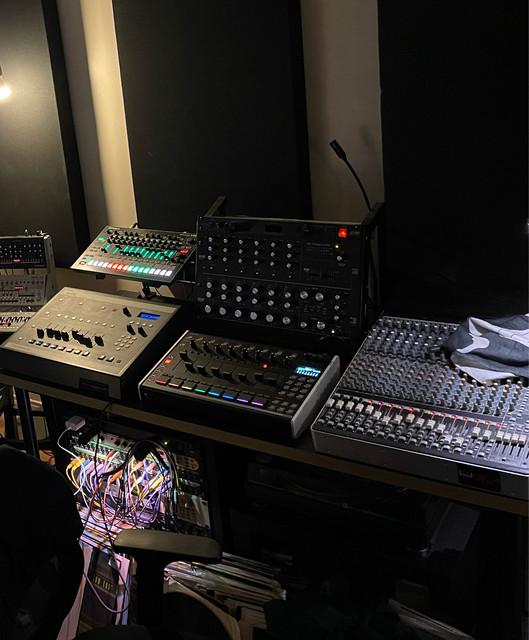
Johnny Fiasco

Electronic
House
 Viberate Rank: 202312
 Viberate Rank: 202312
 Monthly ListenersFollowers
 Subscribers
 Followers
 Followers
 FansTop Spotify Songs
| Track | 7-Day Streams | |
|---|---|---|
1 | 596 | |
2 | 381 | |
3 | 175 | |
4 | 141 | |
5 | 132 |
Top YouTube VideosMonthly ListenersFeatured in Playlists| Playlist | Followers | |
|---|---|---|
1 |  Funky Disco House Myron Scholten | 16.79K |
2 |  Freakonomics podcast André Nordbø | 15.88K |
3 |  Deep House Classics 2026 Thomas Coxhead | 15.03K |
4 |  Seductive House <33 Rocky Ray | 12.01K |
5 |  Watch Dogs 1 - Soundtrack meow | 11.90K |
Audience| City | Monthly Listeners | |
|---|---|---|
1 |  | 149 |
2 |  | 104 |
3 | | 101 |
4 | | 89 |
5 |  | 87 |
See full performance history, audience data, playlist activity, rankings, comparisons, and more in Viberate music analytics. Start with a free trial, then continue with a paid plan.
Johnny Fiasco’s Spotify BioUnlike most of his colleagues, Johnny Fiasco's musical background lies in rock & roll. Before turning his energies to house productions and DJing, Chicago native Johnny Fiasco (whose real last name was Lopez) started his musical escapade playing the guitar. Where most house producers draw their influence from disco and funk greats, Fiasco turns to the Police, Talking Heads, Rush, and Herbie Hancock. Fiasco's first production was for Trax Records on the track called "Zig Zag." His sophomore EP was the "Progretto Fiasco" release, which unleashed him into the big time production circles. In time, Fiasco made his way to the acclaimed Chicago house label, Cajual Records, started by the legendary Cajmere. The reputation of Cajual, and his work for the label, launched Fiasco into a catalog of singles and recordings for other labels. In April of 2000, Fiasco released his first full length mix CD, Cluster, on Afterhours. Unfortunately, the man who asked Fiasco to do the album, Andy Adams (head… of Afterhours), died shortly after the request, and the album was quickly turned into a tribute album to the label runner. ~ Diana Potts, Rovi
Viberate is a music analytics platform built for A&Rs, artist managers, labels, booking agents, marketers, and artists.
It helps music professionals track artist growth, analyze audience data, monitor playlist activity, compare artists, follow song performance, and identify opportunities across the music market.
Public artist pages provide a free preview of selected artist data. Paid plans provide access to deeper analytics, historical data, charts, comparisons, playlist tools, exports, alerts, reports, and additional professional features.
Yes. Public Viberate artist pages provide selected artist analytics and music data for free.
Viberate also offers a 7-day free trial of the full platform. A credit card is required to start the trial. The trial includes access to the complete product so users can test deeper artist analytics, historical views, playlist insights, comparisons, charts, exports, alerts, and reporting features before choosing a paid plan.
Viberate provides artist analytics across streaming, playlists, social media, video, radio airplay, songs, and audience markets.
Users can analyze Spotify performance, Spotify and Apple Music playlists, YouTube activity, TikTok and Instagram growth, radio spins, song performance, audience locations, demographics, rankings, and overall artist momentum.
Artist profiles also connect to music charts, similar artists, and comparison tools, helping users benchmark performance and evaluate artists in context.
Viberate updates key artist and track data daily.
For followed artists and tracks, selected data is refreshed multiple times per day. This helps teams monitor playlist changes, streaming movement, audience growth, releases, and campaign performance with more current data.
Update frequency can vary depending on the metric and data source.
Yes. Viberate lets users compare up to five artists side by side across streaming, social media, audience, and engagement metrics.
Users can compare fanbase growth, audience demographics, locations, Spotify performance, social metrics, and other artist data over selected time periods.
Artist comparison can be used for A&R scouting, benchmarking, booking decisions, campaign planning, and evaluating artists with similar audiences or market positions.