John Whelan

European
Celtic
 Viberate Rank: 263379
 Viberate Rank: 263379
 Monthly ListenersFollowers
 Subscribers
 Followers
 Followers
 FansTop Spotify Songs
| Track | 7-Day Streams | |
|---|---|---|
1 | 476 | |
2 | 378 | |
3 | 367 | |
4 | 255 | |
5 | 255 |
Top YouTube VideosMonthly ListenersFeatured in Playlists| Playlist | Followers | |
|---|---|---|
1 |  Irish Instrumental rafacrouch22 | 15.88K |
2 |  Sex and the City Sountrack, Season 1–6: Best of Marlene Rosenthal | 15.08K |
3 |  Sea Shanties/Pirate Music Brayton Mills | 10.53K |
4 | Musica Celta Irlandesa Escocesa anacreontes | 10.30K |
5 | Irish Folk Instrumental Daniel | 8.31K |
Audience| City | Monthly Listeners | |
|---|---|---|
1 |  | 79 |
2 |  | 65 |
3 |  | 50 |
4 |  | 45 |
5 | | 45 |
See full performance history, audience data, playlist activity, rankings, comparisons, and more in Viberate music analytics. Start with a free trial, then continue with a paid plan.
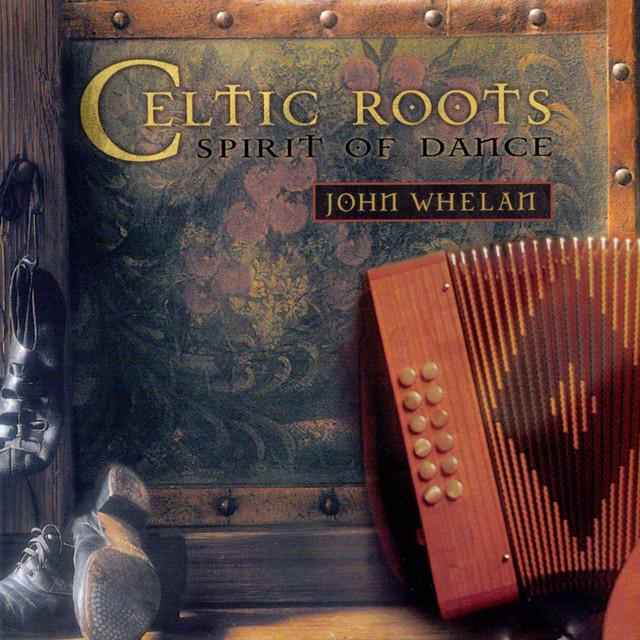
John Whelan’s Spotify BioCeltic master John Whelan and his red, two-row button accordion have been inseparable since the first day he picked up the instrument at age 11 in Dunstable, England. Whelan's Irish father, who hails from County Wexford, and his Irish mother, who comes from Ballingary in County Tipperary, both instilled in their son a love for traditional Irish music. His father played the melodeon, the single-row button accordion, and Whelan took up the two-row button accordion, eventually winning six All-Britain championships and seven All-Ireland titles. Whelan has five albums as a leader, including Celtic Fire in 2001, which brought him together with young American musicians ranging in age from 16 to 29 to play traditional Irish music. Percussionist Paddy League, uileann pipes player Eliot Grasso, fiddlers Patrick Managan and Jim Eagan, flutist Aran Olwell, and guitarist Flynn Cohen joined Whelan on Celtic Fire. Whelan first gathered critical notice at age 14 on his first solo album, The Pride of… Wexford, so named in honor of his father, who strictly listened to traditional Irish music and didn't allow his son much opportunity to hear other music. Musicians of all stripes though, even trumpeters and drummers, visited the Whelan household to play music in Whelan's youth. Whelan gained an appreciation for the culture, feeling, and history of traditional Irish music from his father, who had an in-depth understanding of the feeling and culture behind Irish music, but lacked technical expertise. Whelan learned the technical side of the accordion from Brendan Mulkare, originally from County Clare, Ireland, who lived in London. When Whelan entered his twenties he began to learn about other types of music. In the late '70s punk music caught his ear. He listened to the Motown soul that came out of America. After he moved to America in 1980, he first became exposed to Cajun and zydeco music, bluegrass and country music, and New England contradance music. With these influences in hand, Whelan branched out into other musical realms. He collaborated with country musician Kathy Mattea on Celtic Crossroads. He expanded the boundaries of Celtic music on Flirting With the Edge by performing world music with guests Bernadette Peters, Latin guitarist Oscar Lopez, Ugandan musician Samite as well as Irish legends Seamus Egan, Pat Kilbride, and Jerry O'Sullivan. Whelan has also performed in the original production of Riverdance on Broadway in New York City. Yoko Ono featured Whelan's music in her film Somewhere in the City in 1997. In 1998, he appeared in a documentary about the Irish in America called The Long Journey Home. That same year, he was the subject of a special show on Connecticut Public Television. His music was also featured on Connecticut Public Television's documentary about the Civil War called Ashoken's Farewell. He played accordion in a wedding band scene in Ang Lee's 1999 film Ride With the Devil. And he produced the Celtic rock band Black Thorn in 2001. ~ Robert Hicks, Rovi
Viberate is a music analytics platform built for A&Rs, artist managers, labels, booking agents, marketers, and artists.
It helps music professionals track artist growth, analyze audience data, monitor playlist activity, compare artists, follow song performance, and identify opportunities across the music market.
Public artist pages provide a free preview of selected artist data. Paid plans provide access to deeper analytics, historical data, charts, comparisons, playlist tools, exports, alerts, reports, and additional professional features.
Yes. Public Viberate artist pages provide selected artist analytics and music data for free.
Viberate also offers a 7-day free trial of the full platform. A credit card is required to start the trial. The trial includes access to the complete product so users can test deeper artist analytics, historical views, playlist insights, comparisons, charts, exports, alerts, and reporting features before choosing a paid plan.
Viberate provides artist analytics across streaming, playlists, social media, video, radio airplay, songs, and audience markets.
Users can analyze Spotify performance, Spotify and Apple Music playlists, YouTube activity, TikTok and Instagram growth, radio spins, song performance, audience locations, demographics, rankings, and overall artist momentum.
Artist profiles also connect to music charts, similar artists, and comparison tools, helping users benchmark performance and evaluate artists in context.
Viberate updates key artist and track data daily.
For followed artists and tracks, selected data is refreshed multiple times per day. This helps teams monitor playlist changes, streaming movement, audience growth, releases, and campaign performance with more current data.
Update frequency can vary depending on the metric and data source.
Yes. Viberate lets users compare up to five artists side by side across streaming, social media, audience, and engagement metrics.
Users can compare fanbase growth, audience demographics, locations, Spotify performance, social metrics, and other artist data over selected time periods.
Artist comparison can be used for A&R scouting, benchmarking, booking decisions, campaign planning, and evaluating artists with similar audiences or market positions.