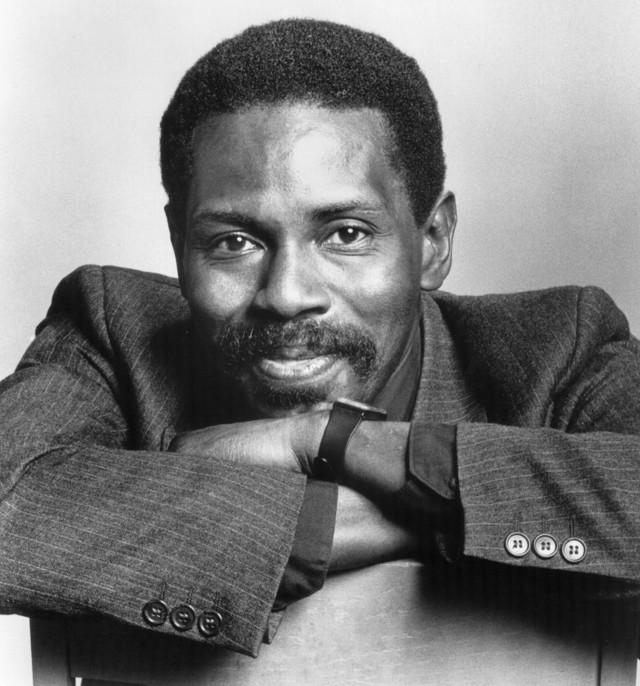
John Stetch

Jazz
Smooth Jazz
 Viberate Rank: 640031
 Viberate Rank: 640031
 Monthly ListenersFollowers
 Subscribers
 Followers
 Followers
 FansTop Spotify Songs
| Track | 7-Day Streams | |
|---|---|---|
1 | 925 | |
2 | 319 | |
3 | 91 | |
4 | 12 | |
5 | 6 |
Top YouTube VideosMonthly ListenersFeatured in Playlists| Playlist | Followers | |
|---|---|---|
1 |  Late Night Piano Jazz radathag | 24.21K |
2 |  Mellow Jazz For Late At Night NgaioMan | 21.77K |
3 |  Good Night Jazz Dennis Westerheim | 14.37K |
4 |  Jazz Solo Piano Lux Music | 9.09K |
5 | Jazz Dinner Coque Madrid | 5.11K |
Audience| City | Monthly Listeners | |
|---|---|---|
1 |  | 35 |
2 | | 27 |
3 |  | 26 |
4 | | 26 |
5 | | 23 |
See full performance history, audience data, playlist activity, rankings, comparisons, and more in Viberate music analytics. Start with a free trial, then continue with a paid plan.
John Stetch’s Spotify BioCanadian pianist John Stetch is a sophisticated performer, whose harmonically rich post-bop jazz often touches upon his rich Ukrainian heritage. Arriving on the New York scene in the early '90s, Stetch won early acclaim with his second-place finish in the 1993 Thelonious Monk Composer's Competition. He has also issued a stream of well-received albums like 1994's Juno Award-nominated Carpathian Blues, 2002's Ukranianism, and 2006's Bruxin', which showcase his adept chops and love of both the acoustic jazz and Ukrainian folk traditions.
Born Ivan Stechishin in 1966 in Edmonton, Canada, to a family of Ukrainian descent, Stetch grew up in Vancouver listening to both Ukrainian folk music, and his dentist father's jazz LPs. Initially starting out on clarinet at age nine, he switched to piano in his teens, during which time he also sang in a Ukrainian choral ensemble and played in a Ukrainian wedding band. After high school, he earned his music degree from Montreal's McGill University where he… delved even deeper into jazz, balancing his love of classical with influences like Bill Evans, Kenny Kirkland, and Keith Jarrett. Graduating in 1991, he began playing around Montreal and in 1992 released his debut solo album, the quartet date Rectangle Man.
In 1993, Stetch moved to New York City, where he quickly found himself an in-demand performer, working regularly as a member of bassist Rufus Reid's band. He also continued his education, studying with noted classical pianist and teacher Burton Hatheway. A year later, he reached second place in the prestigious Thelonious Monk Composer's Competition. More albums followed, including 1994's Carpathian Blues (which earned a Juno Award nomination for Best Contemporary Jazz Album), 1996's Stetching Out, and 1996's Kolomeyka Fantasy. In 1998, he garnered further acclaim, winning the Le Grand Prix Du Jazz Du Maurier at the Festival International de Jazz de Montreal. Away from his own projects, he has worked with such luminaries as Ed Jackson, Chris Kase, Akira Tana, Mark Turner, Johannes Weidenmueller, and others.
Beginning with 1999's Green Grove, Stetch issued a handful of highly regarded albums on the Justin Time label, including 2002's Ukranianism, 2004's Exponentially Monk, and 2006's Bruxin'. TV Trio arrived two years later and featured the pianists group with bassist Doug Weiss and drummer Rodney Green. Around this time, Stetch began dividing his time between Vancouver, where he lives with his family, and New York, where he leads his Vulneraville quartet with saxophonist Steve Kortyka, bassist Ben Tiberio, and drummer Philippe Lemm. He returned to his classical roots with 2014's Off with the Cuffs, reinterpreting the work of Chopin, Bach, Mozart, and Shostakovich. That same year, he also released the trio album Fabled States. Improvisations followed in 2015. A live album, The Vancouver Concert, arrived in 2017 and featured Stetch performing in his hometown alongside his Vulneraville quartet. He issued the solo piano date Ballads in 2019. ~ Matt Collar, Rovi
Viberate is a music analytics platform built for A&Rs, artist managers, labels, booking agents, marketers, and artists.
It helps music professionals track artist growth, analyze audience data, monitor playlist activity, compare artists, follow song performance, and identify opportunities across the music market.
Public artist pages provide a free preview of selected artist data. Paid plans provide access to deeper analytics, historical data, charts, comparisons, playlist tools, exports, alerts, reports, and additional professional features.
Yes. Public Viberate artist pages provide selected artist analytics and music data for free.
Viberate also offers a 7-day free trial of the full platform. A credit card is required to start the trial. The trial includes access to the complete product so users can test deeper artist analytics, historical views, playlist insights, comparisons, charts, exports, alerts, and reporting features before choosing a paid plan.
Viberate provides artist analytics across streaming, playlists, social media, video, radio airplay, songs, and audience markets.
Users can analyze Spotify performance, Spotify and Apple Music playlists, YouTube activity, TikTok and Instagram growth, radio spins, song performance, audience locations, demographics, rankings, and overall artist momentum.
Artist profiles also connect to music charts, similar artists, and comparison tools, helping users benchmark performance and evaluate artists in context.
Viberate updates key artist and track data daily.
For followed artists and tracks, selected data is refreshed multiple times per day. This helps teams monitor playlist changes, streaming movement, audience growth, releases, and campaign performance with more current data.
Update frequency can vary depending on the metric and data source.
Yes. Viberate lets users compare up to five artists side by side across streaming, social media, audience, and engagement metrics.
Users can compare fanbase growth, audience demographics, locations, Spotify performance, social metrics, and other artist data over selected time periods.
Artist comparison can be used for A&R scouting, benchmarking, booking decisions, campaign planning, and evaluating artists with similar audiences or market positions.