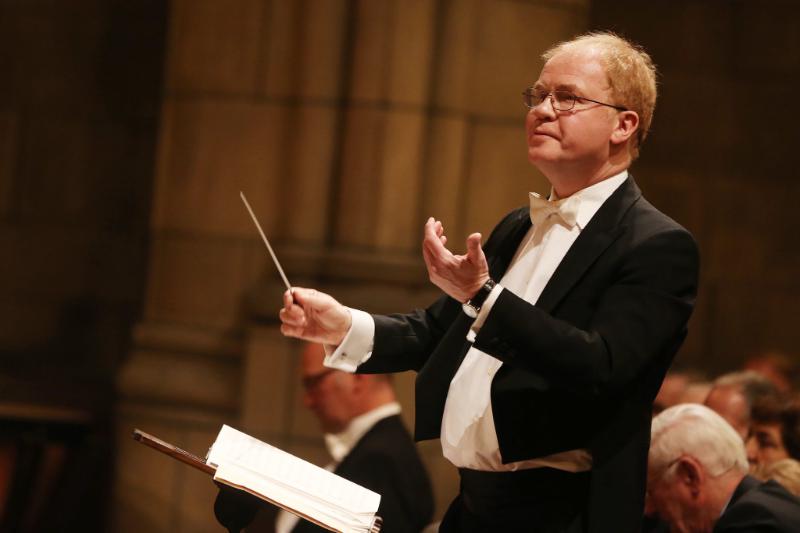
John Scott

Classical
Orchestral
Choral
 Viberate Rank: 179537
 Viberate Rank: 179537
 Monthly ListenersFollowers
 Subscribers
 Followers
 Followers
 FansTop Spotify SongsTop YouTube VideosMonthly ListenersFeatured in Playlists
| Playlist | Followers | |
|---|---|---|
1 |  Gregorian Chants & Hymns for Sleep, Study & Solitude Joseph Santiago | 82.69K |
2 |  Baseball Songs Playlist mokkeman83 | 10.11K |
3 | Screenwipe / Newswipe / How TV Ruined / Etc charliebrooker | 9.26K |
4 |  Organ Classics David Djambov | 8.58K |
5 | Organ Music davidjamesmurray | 7.94K |
Audience| City | Monthly Listeners | |
|---|---|---|
1 | | 1.92K |
2 |  | 583 |
3 |  | 526 |
4 |  | 500 |
5 | | 465 |
See full performance history, audience data, playlist activity, rankings, comparisons, and more in Viberate music analytics. Start with a free trial, then continue with a paid plan.
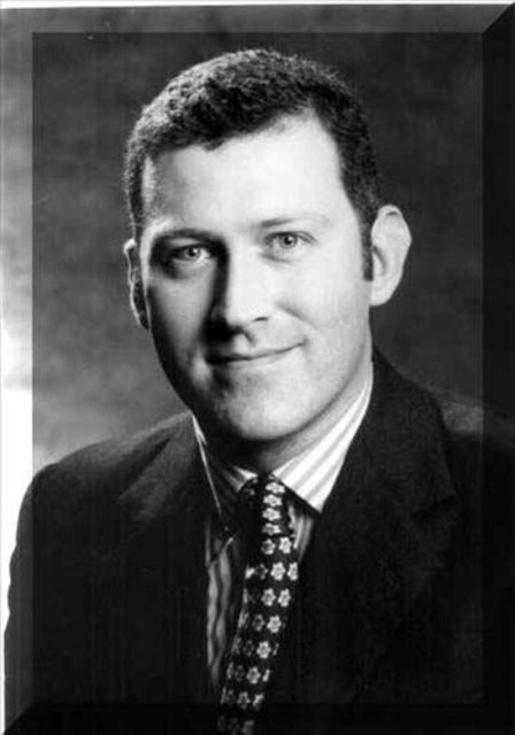
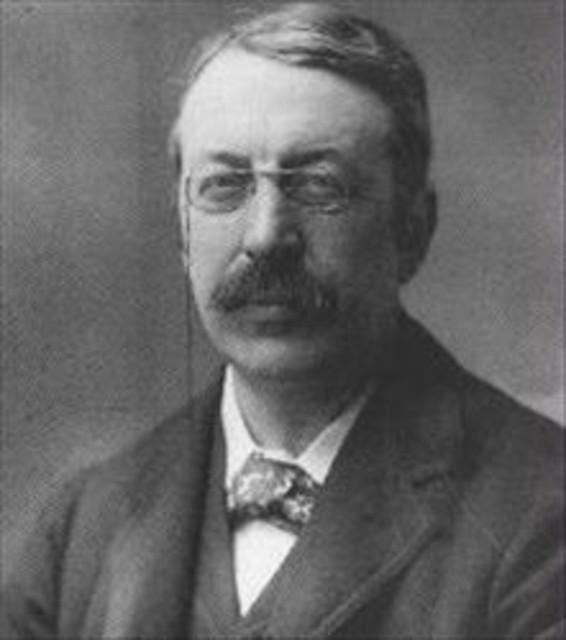
John Scott’s Spotify Biob. Patrick John Michael O’Hara Scott, 1 November 1930, Bristol, England. After being very active in the 60s pop scene, Scott has developed into a respected film music composer, now living in London and Hollywood. During his early career he acted as staff arranger with the Ted Heath band, playing saxophone, clarinet, harp and flute; for many years he was regarded as one of England’s foremost jazz flautists. ‘Johnny’ Scott (as he was then known) also played in the Woody Herman orchestra, and arranged for Bert Ambrose. He claimed to have learned much from Henry Mancini, when playing for him on flute and saxophone in London sessions for films including Charade and Arabesque. For a while he worked closely with John Barry in The John Barry Seven, and played on Barry’s scores for Beat Girl (1959) and The Whisperers (1967), as well as on several early James Bond movies. In the record studios Scott accompanied Cilla Black, Tom Jones, Matt Monro, the Hollies, Shirley Bassey, Elkie Brooks,… Gerry And The Pacemakers, P.J. Proby, Edward Woodward, the Mike Sammes Singers, Freddie And The Dreamers, Spike Milligan and Charlie Drake. In the mid-60s he formed his own jazz combo - the Johnny Scott Quintet - playing flute with Duncan Lamont on saxophone, Barry Morgan on drums, David Snell on harp and Arthur Watts on bass. His growing interest in composition led him to offer his work to mood music publishers for their recorded music libraries, for the use of radio, film and television companies. Scott’s music was published by Keith Prowse, Peer International and Boosey & Hawkes. His score for a 1965 promotional film Shellarama brought offers for his first feature film, A Study In Terror (1965), which he wrote as ‘Patrick John Scott’. He was persuaded to change it to ‘Johnny’, but as his film work grew he decided that ‘John’ seemed more suitable. His next assignments included Doctor In Clover (1966), Rocket To The Moon (1966) and The Long Duel (1967). In 1971 an operation on his lower jaw forced him to give up playing, since when he has concentrated on composition. Major film scores followed: Jerusalem File (1971), Antony And Cleopatra (1972), England Made Me (1973), Penny Gold (1973), The Final Countdown (1980), Greystoke (1984), The Shooting Party (1984), King Kong Lives (1986), Deadly Pursuit (US title Shoot To Kill) (1987), Man On Fire (1987), The Deceivers (1988), Winter People (1989), Black Rainbow (1990). His work onInseminoid (1980) received the 1981 award for Best Musical Score at the International Festival of Horror and Science Fiction films in Madrid, Spain. Television credits include themes for Thames Report (ITV), Tonight (BBC), Midweek (BBC), Nationwide (BBC) and episodes for The World About Us (BBC), The Queen’s Garden (1985) and Survival (Anglia Television). Recent work has included numerous Jacques Cousteau specials such as Clipperton - The Island Time Forgot (1981), The Warm Blooded Sea (1983), The Amazon (1983) and the Cousteau 75th Birthday tribute (1985). His television work has been rewarded with two Emmys - Wild Dogs Of Africa (a 1972 documentary) and Little Vic (a 1978 mini-series). After years of making recordings with many record companies, Scott has established his own label JOS Records to promote his own scores.
Viberate is a music analytics platform built for A&Rs, artist managers, labels, booking agents, marketers, and artists.
It helps music professionals track artist growth, analyze audience data, monitor playlist activity, compare artists, follow song performance, and identify opportunities across the music market.
Public artist pages provide a free preview of selected artist data. Paid plans provide access to deeper analytics, historical data, charts, comparisons, playlist tools, exports, alerts, reports, and additional professional features.
Yes. Public Viberate artist pages provide selected artist analytics and music data for free.
Viberate also offers a 7-day free trial of the full platform. A credit card is required to start the trial. The trial includes access to the complete product so users can test deeper artist analytics, historical views, playlist insights, comparisons, charts, exports, alerts, and reporting features before choosing a paid plan.
Viberate provides artist analytics across streaming, playlists, social media, video, radio airplay, songs, and audience markets.
Users can analyze Spotify performance, Spotify and Apple Music playlists, YouTube activity, TikTok and Instagram growth, radio spins, song performance, audience locations, demographics, rankings, and overall artist momentum.
Artist profiles also connect to music charts, similar artists, and comparison tools, helping users benchmark performance and evaluate artists in context.
Viberate updates key artist and track data daily.
For followed artists and tracks, selected data is refreshed multiple times per day. This helps teams monitor playlist changes, streaming movement, audience growth, releases, and campaign performance with more current data.
Update frequency can vary depending on the metric and data source.
Yes. Viberate lets users compare up to five artists side by side across streaming, social media, audience, and engagement metrics.
Users can compare fanbase growth, audience demographics, locations, Spotify performance, social metrics, and other artist data over selected time periods.
Artist comparison can be used for A&R scouting, benchmarking, booking decisions, campaign planning, and evaluating artists with similar audiences or market positions.