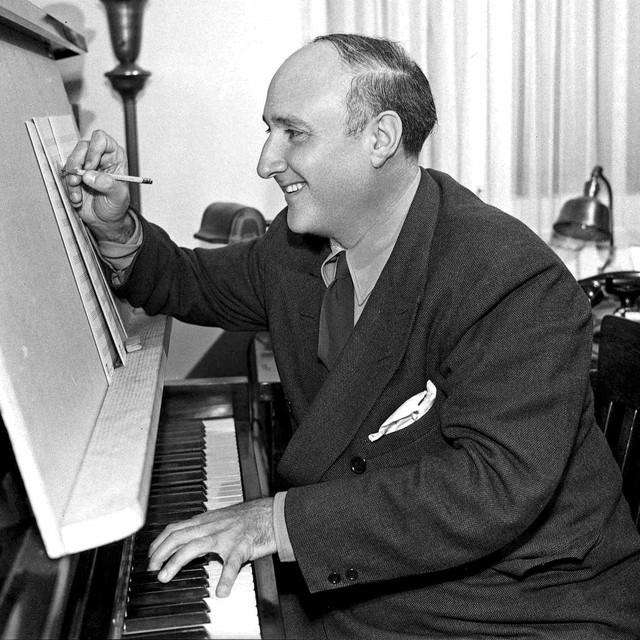
John Morris

Classical
Classical Crossover
Orchestral
 Viberate Rank: 337632
 Viberate Rank: 337632
 Monthly ListenersFollowers
 Subscribers
 Followers
 Followers
 FansTop Spotify Songs
| Track | 7-Day Streams | |
|---|---|---|
1 | 564 | |
2 | 564 | |
3 | 288 | |
4 | 273 | |
5 | 168 |
Top YouTube VideosMonthly ListenersFeatured in Playlists| Playlist | Followers | |
|---|---|---|
1 | Ethan Maxwell | 91.94K |
2 | American Horror Story Kalel Pessanha | 24.69K |
3 |  Halloween-Instrumental Ms peeps | 17.14K |
4 | AHS Full Soundtrack (Season 1 - 11) val_toriello | 17.14K |
5 | American Horror Story Soundtrack Nick Marsico-Morea | 16.36K |
Audience| City | Monthly Listeners | |
|---|---|---|
1 | | 85 |
2 | | 79 |
3 |  | 78 |
4 | | 71 |
5 |  | 64 |
See full performance history, audience data, playlist activity, rankings, comparisons, and more in Viberate music analytics. Start with a free trial, then continue with a paid plan.
John Morris’ Spotify BioA self-described eclectic, John Morris provided scores for a diverse array of films, from Blazing Saddles -- his breakout hit -- to The Elephant Man. Though the bulk of his best-known projects came from his film collaborations with producer/directors Mel Brooks and Gene Wilder, his varied career also embraced television and Broadway, and also included work in Great Britain.
Morris was born in 1926 in Elizabeth, New Jersey. His affinity for music emerged at the age of three, when he sat down at his parents' friends' piano and started to play; according to Morris, he just "never stopped." He continued piano studies throughout his childhood, most of which was spent in the small town of Independence, Kansas; he later returned to the East Coast to attend the Juilliard School.
A 1971 encounter with Mel Brooks would mark the beginning of Morris' career in film. Having both been hired to revamp a failing musical called Shinbone Alley, the two worked well together, and Brooks immediately hired… Morris to score his upcoming film, The Producers, starring Zero Mostel and Gene Wilder. This would prove to be the first of many hits for the pair, who would go on to produce such modern classics as Young Frankenstein, High Anxiety, The Elephant Man (directed by David Lynch), and the enigmatic Silent Movie of 1976, which, for obvious reasons, required over an hour and a half of musical material.
For producer Wilder, Morris composed the scores for Sherlock Holmes' Smarter Brother, The World's Greatest Lover, and others. He also provided scores for more than a dozen Shakespearian films and the mini-series Scarlet (sequel to Gone with the Wind). Morris died in January 2018 at the age of 91.
Viberate is a music analytics platform built for A&Rs, artist managers, labels, booking agents, marketers, and artists.
It helps music professionals track artist growth, analyze audience data, monitor playlist activity, compare artists, follow song performance, and identify opportunities across the music market.
Public artist pages provide a free preview of selected artist data. Paid plans provide access to deeper analytics, historical data, charts, comparisons, playlist tools, exports, alerts, reports, and additional professional features.
Yes. Public Viberate artist pages provide selected artist analytics and music data for free.
Viberate also offers a 7-day free trial of the full platform. A credit card is required to start the trial. The trial includes access to the complete product so users can test deeper artist analytics, historical views, playlist insights, comparisons, charts, exports, alerts, and reporting features before choosing a paid plan.
Viberate provides artist analytics across streaming, playlists, social media, video, radio airplay, songs, and audience markets.
Users can analyze Spotify performance, Spotify and Apple Music playlists, YouTube activity, TikTok and Instagram growth, radio spins, song performance, audience locations, demographics, rankings, and overall artist momentum.
Artist profiles also connect to music charts, similar artists, and comparison tools, helping users benchmark performance and evaluate artists in context.
Viberate updates key artist and track data daily.
For followed artists and tracks, selected data is refreshed multiple times per day. This helps teams monitor playlist changes, streaming movement, audience growth, releases, and campaign performance with more current data.
Update frequency can vary depending on the metric and data source.
Yes. Viberate lets users compare up to five artists side by side across streaming, social media, audience, and engagement metrics.
Users can compare fanbase growth, audience demographics, locations, Spotify performance, social metrics, and other artist data over selected time periods.
Artist comparison can be used for A&R scouting, benchmarking, booking decisions, campaign planning, and evaluating artists with similar audiences or market positions.