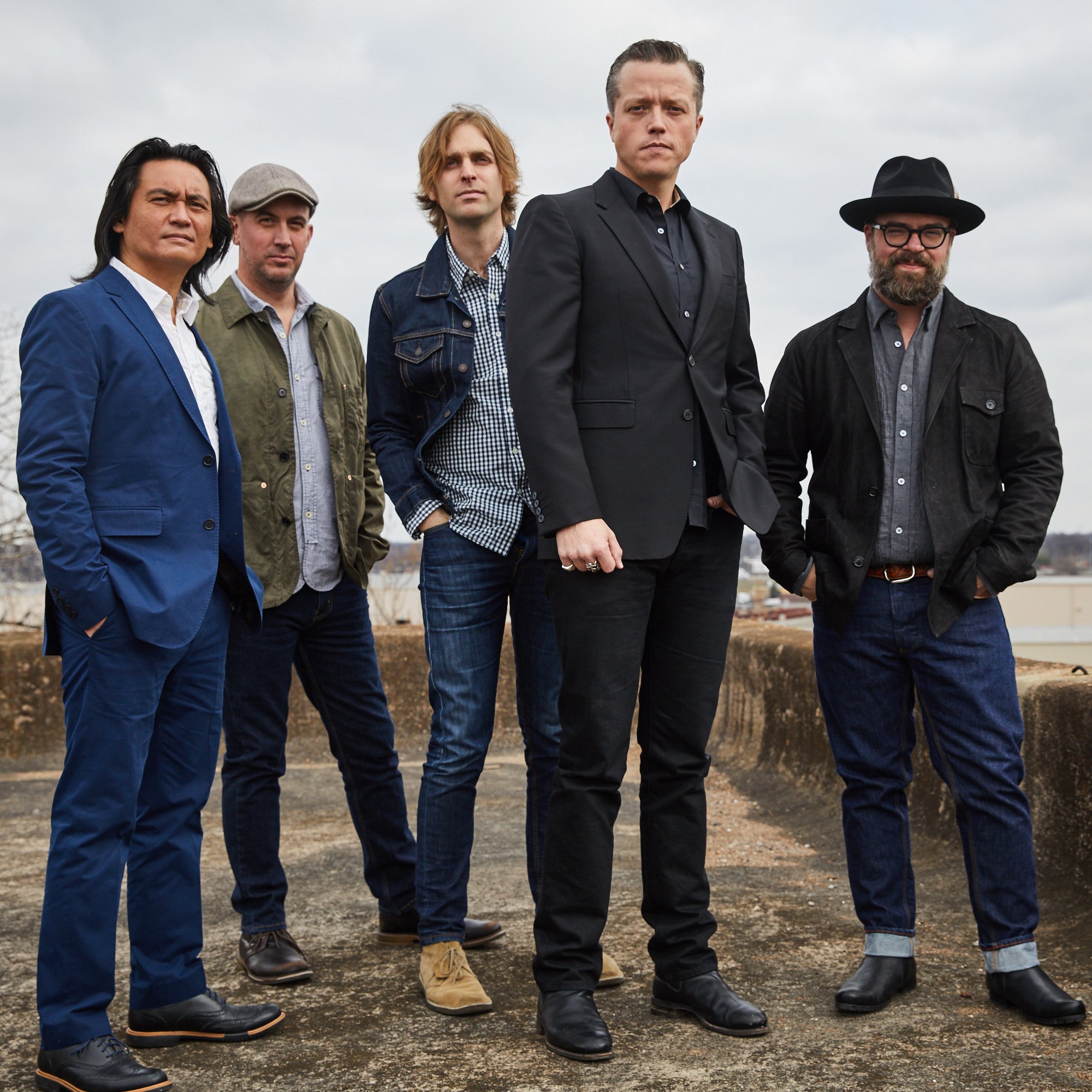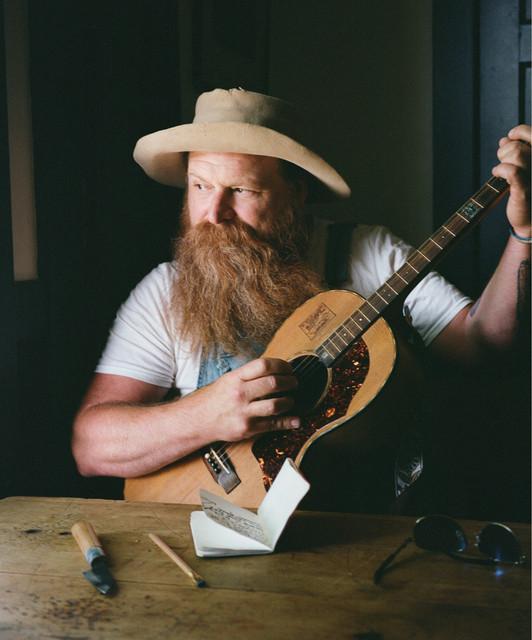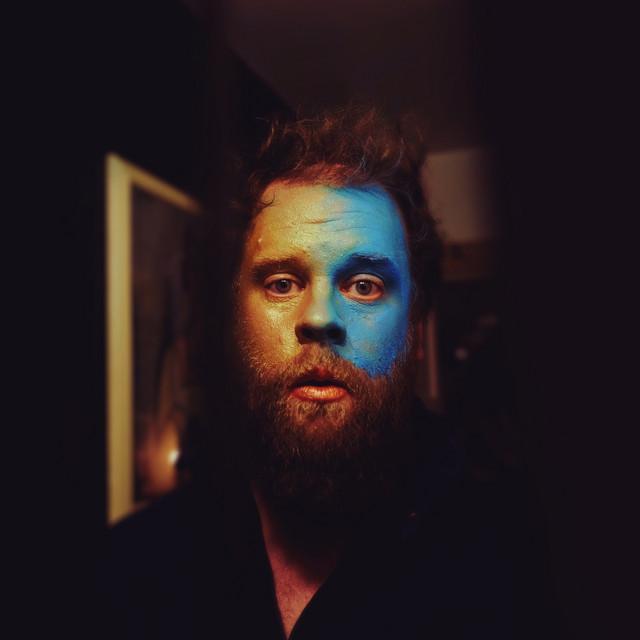
John Moreland

Country
Americana/Alt Country
Folk Rock
 Viberate Rank: 56112
 Viberate Rank: 56112
 Monthly ListenersFollowers
 Subscribers
 Followers
 Followers
 FansTop Spotify Songs
| Track | 7-Day Streams | |
|---|---|---|
1 | 26.73K | |
2 | 14.82K | |
3 | 10.28K | |
4 | 8.17K | |
5 | 6.75K |
Top YouTube VideosMonthly ListenersFeatured in Playlists| Playlist | Followers | |
|---|---|---|
1 |  Totally Stress Free Spotify | 2.11M |
2 |  Acoustic Blues Spotify | 873.88K |
3 |  Yellowstone Official Playlist Spotify | 756.98K |
4 |  Modern Eclectic Spotify | 416.10K |
5 |  Spooky Banjo Time Pawns or Kings | 213.07K |
Audience| City | Monthly Listeners | |
|---|---|---|
1 | | 2.55K |
2 | | 2.47K |
3 | | 2.35K |
4 |  | 1.97K |
5 | | 1.96K |
See full performance history, audience data, playlist activity, rankings, comparisons, and more in Viberate music analytics. Start with a free trial, then continue with a paid plan.
John Moreland’s Spotify BioThe result of an unplugged year at home is 2024’s Visitor, a folk-rock record that is intimate, immediate, deeply thoughtful, and catchy as hell. Moreland recorded the album at his home in Bixby, Oklahoma, in only ten days, playing nearly every instrument himself (his wife Pearl Rachinsky sang on one song, and his longtime collaborator John Calvin Abney contributed a guitar solo), as well as engineering and mixing the album. “Simplicity and immediacy felt very important to the process,” he says.
This is a return to the approach Moreland took on his breakthrough albums, 2013’s In The Throes and 2015’s High On Tulsa Heat, both of which were largely self-recorded at home with a small cadre of additional musicians. Echoes of these early albums can be heard on Visitor (Moreland makes a passing reference to In The Throes’ opening track “I Need You To Tell Me Who I Am” in two different songs on Visitor), which finds Moreland shutting out the noisy world outside, and the even noisier digital… world in his pocket, to reconnect with a muse that’s had to increasingly compete for his attention in the intervening years. Visitor charts his journey back to this muse. If Birds In The Ceiling’s theme was alienation, Visitor’s theme is un-alienation.
Viberate is a music analytics platform built for A&Rs, artist managers, labels, booking agents, marketers, and artists.
It helps music professionals track artist growth, analyze audience data, monitor playlist activity, compare artists, follow song performance, and identify opportunities across the music market.
Public artist pages provide a free preview of selected artist data. Paid plans provide access to deeper analytics, historical data, charts, comparisons, playlist tools, exports, alerts, reports, and additional professional features.
Yes. Public Viberate artist pages provide selected artist analytics and music data for free.
Viberate also offers a 7-day free trial of the full platform. A credit card is required to start the trial. The trial includes access to the complete product so users can test deeper artist analytics, historical views, playlist insights, comparisons, charts, exports, alerts, and reporting features before choosing a paid plan.
Viberate provides artist analytics across streaming, playlists, social media, video, radio airplay, songs, and audience markets.
Users can analyze Spotify performance, Spotify and Apple Music playlists, YouTube activity, TikTok and Instagram growth, radio spins, song performance, audience locations, demographics, rankings, and overall artist momentum.
Artist profiles also connect to music charts, similar artists, and comparison tools, helping users benchmark performance and evaluate artists in context.
Viberate updates key artist and track data daily.
For followed artists and tracks, selected data is refreshed multiple times per day. This helps teams monitor playlist changes, streaming movement, audience growth, releases, and campaign performance with more current data.
Update frequency can vary depending on the metric and data source.
Yes. Viberate lets users compare up to five artists side by side across streaming, social media, audience, and engagement metrics.
Users can compare fanbase growth, audience demographics, locations, Spotify performance, social metrics, and other artist data over selected time periods.
Artist comparison can be used for A&R scouting, benchmarking, booking decisions, campaign planning, and evaluating artists with similar audiences or market positions.