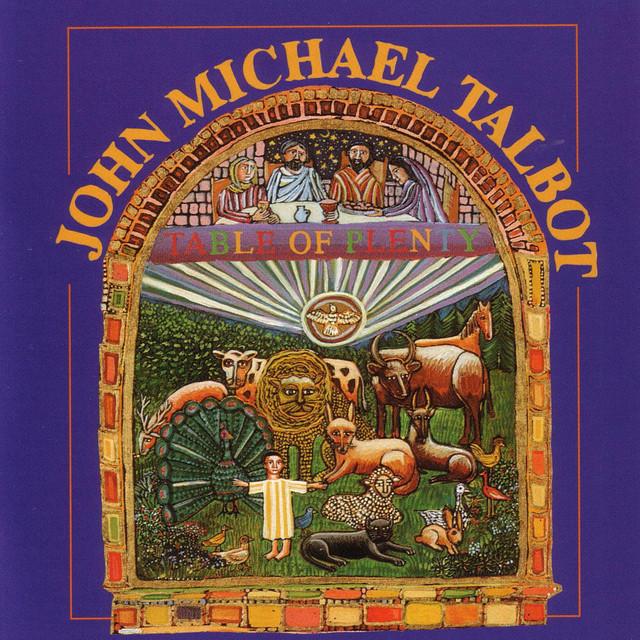
John Michael Talbot

Religious
Christian Music
 Viberate Rank: 48444
 Viberate Rank: 48444
 Monthly ListenersFollowers
 Subscribers
 Followers
 Followers
 FansTop Spotify Songs
| Track | 7-Day Streams | |
|---|---|---|
1 | 52.09K | |
2 | 30.88K | |
3 | 22.09K | |
4 | 11.61K | |
5 | 8.46K |
Top YouTube Videos| Video | 7-Day Views | |
|---|---|---|
1 | 715 | |
2 | 621 | |
3 | 525 | |
4 | 496 | |
5 | 445 |
Monthly ListenersFeatured in Playlists| Playlist | Followers | |
|---|---|---|
1 | Best Gregorian Chants rallen519 | 89.84K |
2 |  CHURCH SONGS (Catholic | Philippines) Jozy | 63.74K |
3 |  Roman Catholic Hymns Wainer | 55.36K |
4 | Catholic Church songs♥️ Chia Calimlim- Magadia | 33.36K |
5 |  Spiritual Songs Josh Garrels | 27.12K |
Audience| City | Monthly Listeners | |
|---|---|---|
1 |  | 5.39K |
2 | | 4.83K |
3 |  | 4.72K |
4 | | 3.59K |
5 |  | 3.24K |
See full performance history, audience data, playlist activity, rankings, comparisons, and more in Viberate music analytics. Start with a free trial, then continue with a paid plan.
John Michael Talbot’s Spotify BioAt the peak of his success, John Michael Talbot was the best-selling male performer in the history of Christian music. Born in Oklahoma City in 1954, he began playing piano and drums at the age of six and later moved on to banjo, guitar, and dobro. In 1963, the family moved to Indianapolis; there, Talbot soon made his professional debut as a member of his brother Terry's teen pop band, the Quinchords. The Talbot brothers later co-founded the country-rock band Mason Proffit, which earned a cult following prior to its 1972 breakup; the siblings continued working together, however, with their increasing spirituality pushing them toward contemporary Christian pop. After recording an eponymous 1974 LP as the Talbot Brothers, both went their separate ways; John Michael soon signed to Sparrow, his sound mellowing to accentuate his tenor vocals and classical guitar playing. Talbot's first solo LP, a self-titled effort, appeared in 1975; after 1977's The New Earth, he withdrew from performing… to study Catholicism, with these new beliefs informing 1978's The Lord's Supper and its follow-up, Come to the Quiet. In the years to follow, Talbot's albums arrived fast and furious, and soon he was the best-selling artist in the history of Sparrow Records. In 1992, he founded his own label, Troubadour for the Lord, and from there, continued his prolific output. Whether issuing soothing traditional works like 1996's Troubador for the Lord or 2005's plugged-in Monk Rock, his ability to deliver messages of faith carried him through dozens of releases into the 2010s and beyond with 2016's The Inner Room and 2020's Songs from Solitude. ~ Jason Ankeny, Rovi
Viberate is a music analytics platform built for A&Rs, artist managers, labels, booking agents, marketers, and artists.
It helps music professionals track artist growth, analyze audience data, monitor playlist activity, compare artists, follow song performance, and identify opportunities across the music market.
Public artist pages provide a free preview of selected artist data. Paid plans provide access to deeper analytics, historical data, charts, comparisons, playlist tools, exports, alerts, reports, and additional professional features.
Yes. Public Viberate artist pages provide selected artist analytics and music data for free.
Viberate also offers a 7-day free trial of the full platform. A credit card is required to start the trial. The trial includes access to the complete product so users can test deeper artist analytics, historical views, playlist insights, comparisons, charts, exports, alerts, and reporting features before choosing a paid plan.
Viberate provides artist analytics across streaming, playlists, social media, video, radio airplay, songs, and audience markets.
Users can analyze Spotify performance, Spotify and Apple Music playlists, YouTube activity, TikTok and Instagram growth, radio spins, song performance, audience locations, demographics, rankings, and overall artist momentum.
Artist profiles also connect to music charts, similar artists, and comparison tools, helping users benchmark performance and evaluate artists in context.
Viberate updates key artist and track data daily.
For followed artists and tracks, selected data is refreshed multiple times per day. This helps teams monitor playlist changes, streaming movement, audience growth, releases, and campaign performance with more current data.
Update frequency can vary depending on the metric and data source.
Yes. Viberate lets users compare up to five artists side by side across streaming, social media, audience, and engagement metrics.
Users can compare fanbase growth, audience demographics, locations, Spotify performance, social metrics, and other artist data over selected time periods.
Artist comparison can be used for A&R scouting, benchmarking, booking decisions, campaign planning, and evaluating artists with similar audiences or market positions.