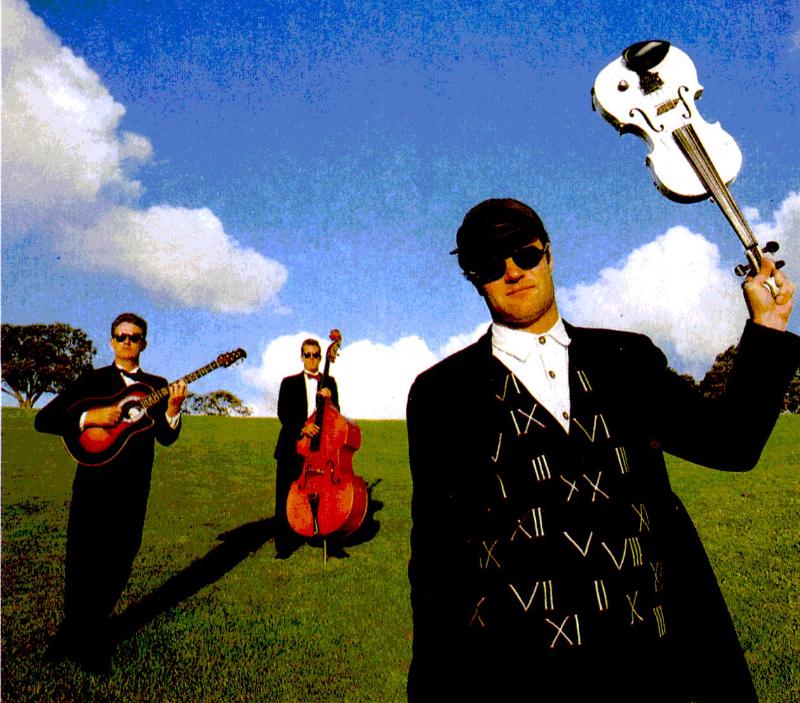
John Etheridge

Jazz
Jazz Fusion
 Viberate Rank: 409242
 Viberate Rank: 409242
 Monthly ListenersFollowers
 Subscribers
 Followers
 Followers
 FansTop Spotify Songs
| Track | 7-Day Streams | |
|---|---|---|
1 | 595 | |
2 | 369 | |
3 | 140 | |
4 | 100 | |
5 | 50 |
Top YouTube VideosMonthly ListenersFeatured in Playlists| Playlist | Followers | |
|---|---|---|
1 | Gypsy jazz David Michielsen | 21.58K |
2 | Burning Jazz-rock Fusion fusionprogguy | 8.92K |
3 |  Peaceful Violin, Relaxing Violin terrimatheson | 6.37K |
4 |  Classical Acoustic Guitar Masters Alec Wilson | 3.85K |
5 | Stephan Grapelli Gregory Levinson | 3.23K |
Audience| City | Monthly Listeners | |
|---|---|---|
1 | | 93 |
2 |  | 49 |
3 | | 45 |
4 | | 27 |
5 |  | 25 |
See full performance history, audience data, playlist activity, rankings, comparisons, and more in Viberate music analytics. Start with a free trial, then continue with a paid plan.
John Etheridge’s Spotify Biob. 12 January 1948, London, England. Etheridge is a self-taught guitarist who started playing while he was at school. He went on to Essex University and then played with jazz rock groups in London in the early 70s, including Darryl Way’s Wolf. In 1975 he replaced Allan Holdsworth in Soft Machine, staying with the band until their initial demise in the late 70s. He played with Stéphane Grappelli between 1978 and 1981, showing as much facility playing the acoustic guitar with him as he had previously done on the electric. At the same time, he formed the jazz fusion group 2nd Vision with former Albion Band member Ric Sanders. He undertook solo concerts in Australia and toured the USA with bass player Brian Torff in 1982 before playing some live dates and recording with the re-formed Soft Machine.
Since the mid-80s Etheridge has worked with an impressive number of jazz musicians, including Gordon Beck, John Marshall, Andy Summers, Pat Metheny, Herb Ellis, Didier Lockwood, Barney Kessel and… Dick Heckstall-Smith. He has also played with Danny Thompson, Yehudi Menuhin, Nigel Kennedy and classical guitarist John Williams. His own bands include a quartet dedicated to Grappelli and the 8-piece Zappatistas, who perform the music of Frank Zappa. More recently his solo acoustic work has been equally satisfying. On 2004’s I Didn’t Know he sensitively covered ‘God Bless The Child’ and ‘Mercy, Mercy, Mercy’. Etheridge also regularly teaches guitar courses at further education college. His most recent project is the Soft Machine Legacy with Elton Dean (until his death in 2006, and then Theo Travis), Hugh Hopper and John Marshall. A technically gifted guitarist of immense talent, Etheridge is able to use guitar effects very effectively in his solos.
Viberate is a music analytics platform built for A&Rs, artist managers, labels, booking agents, marketers, and artists.
It helps music professionals track artist growth, analyze audience data, monitor playlist activity, compare artists, follow song performance, and identify opportunities across the music market.
Public artist pages provide a free preview of selected artist data. Paid plans provide access to deeper analytics, historical data, charts, comparisons, playlist tools, exports, alerts, reports, and additional professional features.
Yes. Public Viberate artist pages provide selected artist analytics and music data for free.
Viberate also offers a 7-day free trial of the full platform. A credit card is required to start the trial. The trial includes access to the complete product so users can test deeper artist analytics, historical views, playlist insights, comparisons, charts, exports, alerts, and reporting features before choosing a paid plan.
Viberate provides artist analytics across streaming, playlists, social media, video, radio airplay, songs, and audience markets.
Users can analyze Spotify performance, Spotify and Apple Music playlists, YouTube activity, TikTok and Instagram growth, radio spins, song performance, audience locations, demographics, rankings, and overall artist momentum.
Artist profiles also connect to music charts, similar artists, and comparison tools, helping users benchmark performance and evaluate artists in context.
Viberate updates key artist and track data daily.
For followed artists and tracks, selected data is refreshed multiple times per day. This helps teams monitor playlist changes, streaming movement, audience growth, releases, and campaign performance with more current data.
Update frequency can vary depending on the metric and data source.
Yes. Viberate lets users compare up to five artists side by side across streaming, social media, audience, and engagement metrics.
Users can compare fanbase growth, audience demographics, locations, Spotify performance, social metrics, and other artist data over selected time periods.
Artist comparison can be used for A&R scouting, benchmarking, booking decisions, campaign planning, and evaluating artists with similar audiences or market positions.