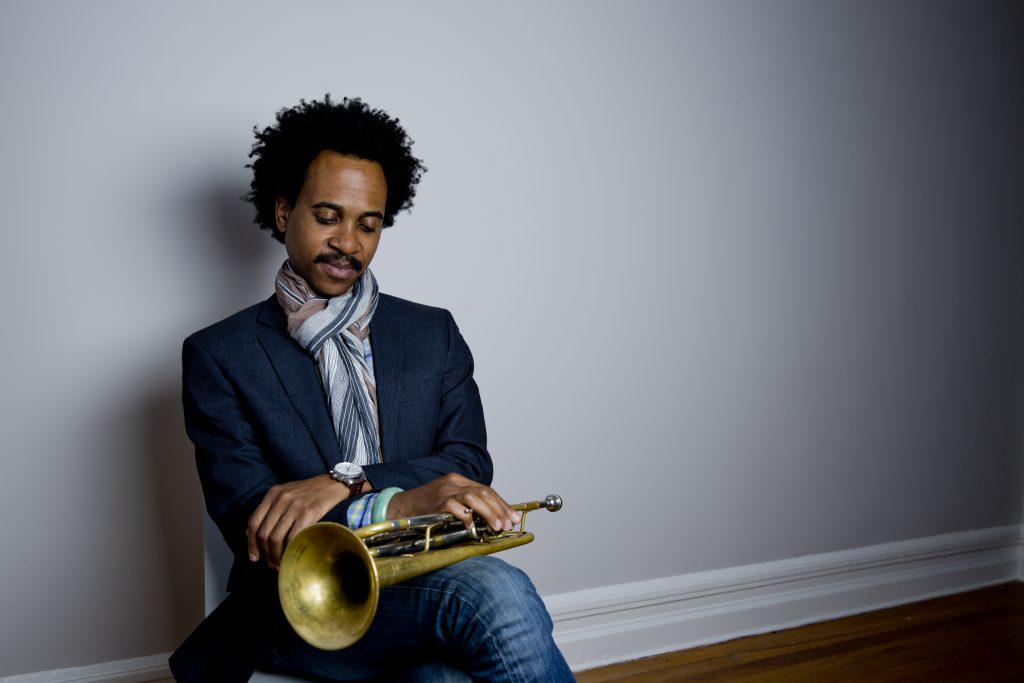
John Escreet

Jazz
Smooth Jazz
Free Jazz
 Viberate Rank: 325174
 Viberate Rank: 325174
 Monthly ListenersFollowers
 Subscribers
 Followers
 Followers
 FansTop Spotify Songs
| Track | 7-Day Streams | |
|---|---|---|
1 | 159 | |
2 | 93 | |
3 | 92 | |
4 | 61 | |
5 | 45 |
Top YouTube VideosMonthly ListenersFeatured in Playlists| Playlist | Followers | |
|---|---|---|
1 |  🪐Floating Points Turntable🪐 Floating Points | 35.36K |
2 |  ECM Yves Riviere | 5.39K |
3 |  musical box Raffaele Costantino | 3.46K |
4 | slow sexy jazz TheReinke | 3.41K |
5 |  JAZZ morrisonhaze | 3.11K |
Audience| City | Monthly Listeners | |
|---|---|---|
1 | | 6 |
2 |  | 5 |
3 |  | 5 |
4 |  | 4 |
5 |  | 4 |
See full performance history, audience data, playlist activity, rankings, comparisons, and more in Viberate music analytics. Start with a free trial, then continue with a paid plan.
John Escreet’s Spotify BioBritish pianist John Escreet is a bold improviser and sound conceptualist whose approach touches upon harmonically sophisticated acoustic post-bop, as well as modern creative and vigorous free jazz. He first garnered wide attention following a move to New York, where he debuted with 2008's Consequences, featuring Ambrose Akinmusire and David Binney. With Binney, Escreet also delivered 2010's Don't Fight the Inevitable and 2013's Sabotage and Celebration, the latter of which featured Chris Potter. In addition, there have been collaborations with Evan Parker, bassist John Herbert, and drummer Tyshawn Sorey, as on 2014's Sound, Space and Structures. He incorporated electronics into his sound on 2018's Learn to Live and delivered his first trio album with 2022's Seismic Shift, featuring bassist Eric Revis and drummer Damion Reid. Escreet expanded the group with saxophonist Mark Turner for 2024's The Epicenter of Your Dreams.
Born in 1984 in Doncaster, England, Escreet started playing piano… at a young age and was already a gifted improviser by the time he entered London's Royal Academy of Music. There, he studied with John Taylor and began leading his own groups. Following a move to New York in 2006, he completed his master's degree at Manhattan School of Music, where he studied with luminaries like Kenny Barron and Jason Moran. He made his debut as leader with 2008's Consequences on Positone, a quintet album featuring alto saxophonist David Binney, trumpeter Ambrose Akinmusire, bassist Matt Brewer, and drummer Tyshawn Sorey.
Escreet then moved to the Mythology label for 2010's Don't Fight the Inevitable and 2011's The Age We Live In, both of which again featured Binney. Also in 2011, he and Binney joined forces for the quartet album Exception to the Rule on Criss Cross, which included bassist Eivind Opsvik and drummer Nasheet Waits. With 2013's Sabotage and Celebration, the pianist expanded his ensemble, pairing Binney with fellow saxophonist Chris Potter, as well as Kneebody trumpeter Shane Endsley and others; the album featured atmospheric string arrangements and some electronic elements. From there, Escreet moved to Sunnyside Records for 2014's Sound, Space and Structures and 2016's The Unknown, both of which featured his group with saxophonist Evan Parker, bassist John Herbert, and drummer Tyshawn Sorey.
In 2018, Escreet delivered Learn to Live, which found him exploring a mix of electronic and acoustic sounds. It featured trumpeter Nicholas Payton, saxophonist Greg Osby, and bassist Matt Brewer, as well as the combined percussion talents of Eric Harland and Justin Brown.
Along with his own albums, the pianist has contributed to projects with Amir ElSaffar, Alex Sipiagin, Wayne Krantz, Seamus Blake, Logan Richardson, Harish Raghavan, Nir Felder, Nate Wood, and many others. He also built a close working relationship with Grammy-winning drummer Antonio Sanchez, appearing on 2013's New Life, 2015's The Meridian Suite, and 2019's Lines in the Sand. In 2022, following a move to Los Angeles, Escreet delivered his first-ever trio album, Seismic Shift, with bassist Eric Revis and drummer Damion Reid. Adding saxophonist Mark Turner, the same group returned with 2024's The Epicenter of Your Dreams. ~ Matt Collar, Rovi
Viberate is a music analytics platform built for A&Rs, artist managers, labels, booking agents, marketers, and artists.
It helps music professionals track artist growth, analyze audience data, monitor playlist activity, compare artists, follow song performance, and identify opportunities across the music market.
Public artist pages provide a free preview of selected artist data. Paid plans provide access to deeper analytics, historical data, charts, comparisons, playlist tools, exports, alerts, reports, and additional professional features.
Yes. Public Viberate artist pages provide selected artist analytics and music data for free.
Viberate also offers a 7-day free trial of the full platform. A credit card is required to start the trial. The trial includes access to the complete product so users can test deeper artist analytics, historical views, playlist insights, comparisons, charts, exports, alerts, and reporting features before choosing a paid plan.
Viberate provides artist analytics across streaming, playlists, social media, video, radio airplay, songs, and audience markets.
Users can analyze Spotify performance, Spotify and Apple Music playlists, YouTube activity, TikTok and Instagram growth, radio spins, song performance, audience locations, demographics, rankings, and overall artist momentum.
Artist profiles also connect to music charts, similar artists, and comparison tools, helping users benchmark performance and evaluate artists in context.
Viberate updates key artist and track data daily.
For followed artists and tracks, selected data is refreshed multiple times per day. This helps teams monitor playlist changes, streaming movement, audience growth, releases, and campaign performance with more current data.
Update frequency can vary depending on the metric and data source.
Yes. Viberate lets users compare up to five artists side by side across streaming, social media, audience, and engagement metrics.
Users can compare fanbase growth, audience demographics, locations, Spotify performance, social metrics, and other artist data over selected time periods.
Artist comparison can be used for A&R scouting, benchmarking, booking decisions, campaign planning, and evaluating artists with similar audiences or market positions.