John Eccles

Classical
Opera
Chamber Music
 Viberate Rank: 306598
 Viberate Rank: 306598
 Monthly ListenersFollowers
 Subscribers
 Followers
 Followers
 FansTop Spotify SongsTop YouTube VideosMonthly ListenersFeatured in Playlists
| Playlist | Followers | |
|---|---|---|
1 |  Dark Academia Classical Spotify | 1.01M |
2 |  royalcore Spotify | 550.60K |
3 |  Sad Classical Spotify | 278.14K |
4 |  Renaissance Classics Spotify | 74.15K |
5 |  Classique pour travailler Erato France | 29.60K |
Audience| City | Monthly Listeners | |
|---|---|---|
1 | | 1.01K |
2 |  | 839 |
3 |  | 812 |
4 |  | 702 |
5 |  | 696 |
See full performance history, audience data, playlist activity, rankings, comparisons, and more in Viberate music analytics. Start with a free trial, then continue with a paid plan.
John Eccles’ Spotify BioJohn Eccles was a fine composer who had the unenviable task of trying to forge a career composing for London's theaters in the era between Henry Purcell and Handel. He was first taught music by his father, Solomon Eccles, who was also a composer. He became an active participant in London's busy theater life in the 1680s. He later joined the King's ensemble in 1694 and was made Master of the King's Music in 1700.
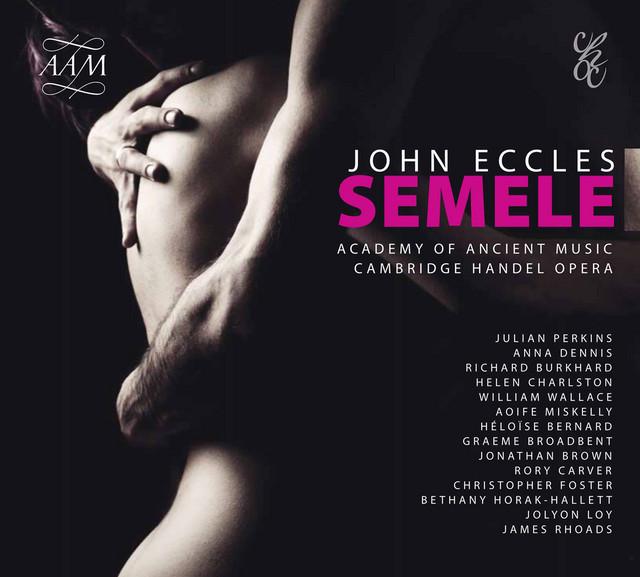
As a theater composer Eccles wrote incidental music for a adaptation of Shakespeare's Macbeth and Dryden's The Spanish Friar, among many others. In 1693 he became the house composer for the Drury Lane theater. In addition to his own works he also collaborated with almost all of London's most prominent composers of the time; including working with Purcell on music for the successful Comical History of Don Quixote and with Gottfried Finger on The Loves of Mars and Venus. In 1701 he came second (to John Weldon) in a competition to find London's best theater composer by setting… Congreve's The Judgement of Paris. His last major work for the London stage was a setting of Semele written by Congreve. It was the last throw of the dice for English opera and it ended in disappointment. There were complicated disputes during rehearsals and the project was abandoned and Semele was never performed in the composer's lifetime. Largely due to the Semele debacle, Eccles became increasingly disillusioned with London's musical life, in particular its growing obsession with Italian opera, and he left the city to devote his time to angling. For the rest of his life he continued to write music for his official post, including odes and other occasional works for the monarch, but his output slowed down considerably.
Like many other English composers wedged between Purcell and Handel, Eccles' music is yet to receive the full attention it deserves. He was especially gifted in writing for the voice and his solo songs are among the best examples of the post-Restoration period. He developed a special working relationship with the darling of the Restoration stage, singer and actress Anne Bracegirdle, for whom he composed countless songs.
Viberate is a music analytics platform built for A&Rs, artist managers, labels, booking agents, marketers, and artists.
It helps music professionals track artist growth, analyze audience data, monitor playlist activity, compare artists, follow song performance, and identify opportunities across the music market.
Public artist pages provide a free preview of selected artist data. Paid plans provide access to deeper analytics, historical data, charts, comparisons, playlist tools, exports, alerts, reports, and additional professional features.
Yes. Public Viberate artist pages provide selected artist analytics and music data for free.
Viberate also offers a 7-day free trial of the full platform. A credit card is required to start the trial. The trial includes access to the complete product so users can test deeper artist analytics, historical views, playlist insights, comparisons, charts, exports, alerts, and reporting features before choosing a paid plan.
Viberate provides artist analytics across streaming, playlists, social media, video, radio airplay, songs, and audience markets.
Users can analyze Spotify performance, Spotify and Apple Music playlists, YouTube activity, TikTok and Instagram growth, radio spins, song performance, audience locations, demographics, rankings, and overall artist momentum.
Artist profiles also connect to music charts, similar artists, and comparison tools, helping users benchmark performance and evaluate artists in context.
Viberate updates key artist and track data daily.
For followed artists and tracks, selected data is refreshed multiple times per day. This helps teams monitor playlist changes, streaming movement, audience growth, releases, and campaign performance with more current data.
Update frequency can vary depending on the metric and data source.
Yes. Viberate lets users compare up to five artists side by side across streaming, social media, audience, and engagement metrics.
Users can compare fanbase growth, audience demographics, locations, Spotify performance, social metrics, and other artist data over selected time periods.
Artist comparison can be used for A&R scouting, benchmarking, booking decisions, campaign planning, and evaluating artists with similar audiences or market positions.