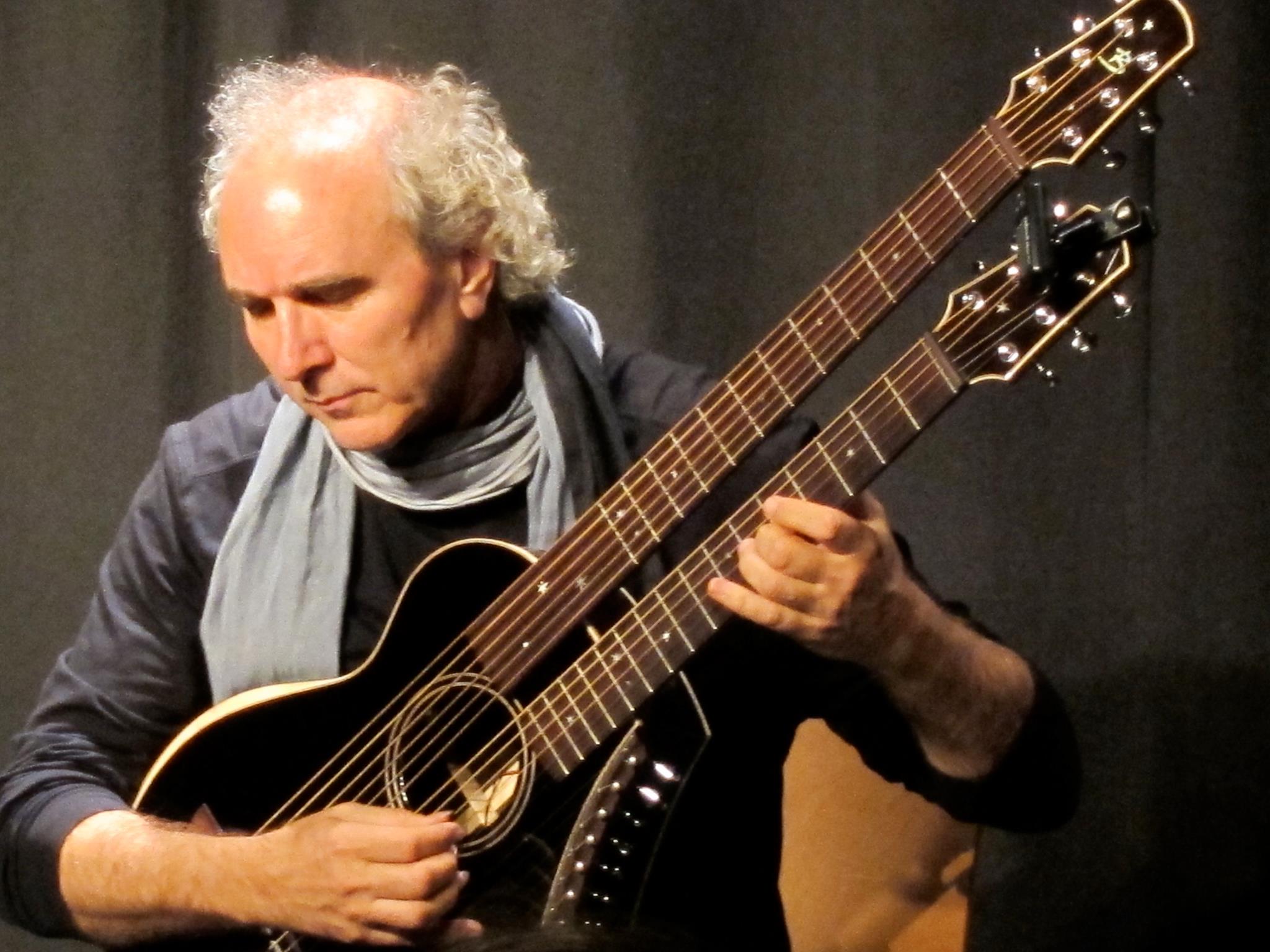
John Doan

European
Celtic
 Viberate Rank: 245298
 Viberate Rank: 245298
 Monthly ListenersFollowers
 Subscribers
 Followers
 Followers
 FansTop Spotify Songs
| Track | 7-Day Streams | |
|---|---|---|
1 | 2.71K | |
2 | 1.60K | |
3 | 1.56K | |
4 | 1.46K | |
5 | 1.27K |
Top YouTube VideosMonthly ListenersFeatured in Playlists| Playlist | Followers | |
|---|---|---|
1 | Best Classical Music for Sleeping Stephanie Doyle | 43.09K |
2 |  Celtic Gaelic Folk Music ☘️ Marina in the Shire | 33.42K |
3 |  RPG Ambient Music Cool_Thulhu | 30.19K |
4 |  Celtic Relax professorludic | 24.23K |
5 |  Soft Guitar for Sleep Dave Matthiessen | 21.09K |
Audience| City | Monthly Listeners | |
|---|---|---|
1 | | 186 |
2 | | 167 |
3 |  | 160 |
4 | | 141 |
5 | | 137 |
See full performance history, audience data, playlist activity, rankings, comparisons, and more in Viberate music analytics. Start with a free trial, then continue with a paid plan.
John Doan’s Spotify BioGuitarist John Doan is a master of the Renaissance lute, as well as classical and contemporary guitar styles. His signature instrument, however, is the 20-string harp/guitar, originally popular at the end of the 19th century in Europe and America.
Doan began playing guitar at age of 11 when he lived in Venice, California. Given the setting, his favorite music then was surf music. He later became interested in classical guitar and earned a degree in music performance from Cal State Northridge. After moving to Oregon, Doan earned his master's in musical education from Western Oregon State and served on the faculty there. He studied the renaissance and baroque lute in the Netherlands, and mastering this instrument prepared him for learning the harp/guitar.
The instrument Doan plays has six standard fretted guitar strings, six unfretted bass strings, and eight unfretted high strings with pure tones and long sustains. Given the popular revival of Celtic music, it's surprising that few other… artists have taken up the expressive instrument.
Doan has played with many folk and country legends, including Burl Ives, Larry Carlton, and Chet Atkins. He created his own brand of folk-fusion on his first album on Narada, titled Departures (1988). He has starred in two PBS music specials in which he used old-time instruments (A Christmas to Remember with John Doan and A Victorian Christmas with John Doan), and has released two albums with Hearts of Space: Wrapped in Christmas: Visions of Christmas Past and Eire: Isle of the Saints, A Celtic Odyssey. His Remembrance: Melodies from a Forgotten Era is on the Tapestry Productions label.
Doan lives in Oregon with his wife; he is an assistant professor of music at Williamette University in Salem. ~ Carol Wright, Rovi
Viberate is a music analytics platform built for A&Rs, artist managers, labels, booking agents, marketers, and artists.
It helps music professionals track artist growth, analyze audience data, monitor playlist activity, compare artists, follow song performance, and identify opportunities across the music market.
Public artist pages provide a free preview of selected artist data. Paid plans provide access to deeper analytics, historical data, charts, comparisons, playlist tools, exports, alerts, reports, and additional professional features.
Yes. Public Viberate artist pages provide selected artist analytics and music data for free.
Viberate also offers a 7-day free trial of the full platform. A credit card is required to start the trial. The trial includes access to the complete product so users can test deeper artist analytics, historical views, playlist insights, comparisons, charts, exports, alerts, and reporting features before choosing a paid plan.
Viberate provides artist analytics across streaming, playlists, social media, video, radio airplay, songs, and audience markets.
Users can analyze Spotify performance, Spotify and Apple Music playlists, YouTube activity, TikTok and Instagram growth, radio spins, song performance, audience locations, demographics, rankings, and overall artist momentum.
Artist profiles also connect to music charts, similar artists, and comparison tools, helping users benchmark performance and evaluate artists in context.
Viberate updates key artist and track data daily.
For followed artists and tracks, selected data is refreshed multiple times per day. This helps teams monitor playlist changes, streaming movement, audience growth, releases, and campaign performance with more current data.
Update frequency can vary depending on the metric and data source.
Yes. Viberate lets users compare up to five artists side by side across streaming, social media, audience, and engagement metrics.
Users can compare fanbase growth, audience demographics, locations, Spotify performance, social metrics, and other artist data over selected time periods.
Artist comparison can be used for A&R scouting, benchmarking, booking decisions, campaign planning, and evaluating artists with similar audiences or market positions.