John Cowan

Country
Bluegrass
Newgrass
 Viberate Rank: 316729
 Viberate Rank: 316729
 Monthly ListenersFollowers
 Subscribers
 Followers
 Followers
 FansTop Spotify Songs
| Track | 7-Day Streams | |
|---|---|---|
1 | 2.13K | |
2 | 263 | |
3 | 206 | |
4 | 201 | |
5 | 169 |
Top YouTube VideosMonthly ListenersFeatured in Playlists| Playlist | Followers | |
|---|---|---|
1 |  Bluegrass Covers Spotify | 287.94K |
2 |  Grass Roots Spotify | 168.81K |
3 |  NPR All Songs Considered - The Bob Boilen years (unofficial) Fri Tsch | 30.02K |
4 |  JoJo's Bizarre Playlist: Battle References milesfreakingedgeworth | 26.67K |
5 | Simon And Garfunkel's Greatest Hits* Tim Heal | 14.98K |
Audience| City | Monthly Listeners | |
|---|---|---|
1 | | 131 |
2 | | 108 |
3 | | 87 |
4 | | 76 |
5 | | 72 |
See full performance history, audience data, playlist activity, rankings, comparisons, and more in Viberate music analytics. Start with a free trial, then continue with a paid plan.
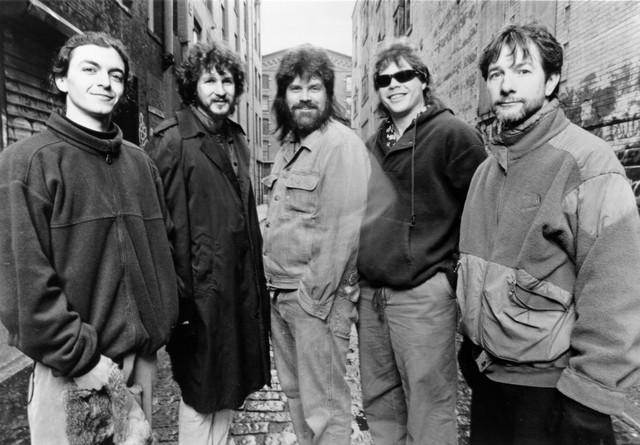
John Cowan’s Spotify BioJohn Cowan got his start in Louisville, where he played in scrappy rock outfits like Everyday People and Louisville Sound Department. In 1974, he auditioned as a bassist and vocalist for New Grass Revival, and together with Sam Bush and later bandmates Béla Fleck and Pat Flynn, led the charge of the 1980s' bluegrass revival. New Grass Revival disbanded in 1990 when Fleck departed for a solo career, but Cowan didn't slow down. He did distance himself a bit from NGR's acoustic foundation, however, choosing to tour as a solo rock act as well as front the country-rock band Sky Kings (with Poco's Rusty Young). But despite writing an album, arranging the artwork, releasing a single, and setting a release date (March 27, 1997), the Sky Kings' full-length sat on a shelf. Cowan next busied himself with solo work for the Sugar Hill label. His releases there included an ambitious self-titled effort in 2000, as well as the lower-key Always Take Me Back in 2002. The year 2000 also saw the final… release of the Sky Kings album From Out of the Blue; the set included the entire original LP, as well as demos and songs that were subsequently completed for the project. Cowan continued to release the occasional solo project, including the fine Sixty, which appeared in 2014 as Cowan himself hit that number in age. ~ Johnny Loftus, Rovi
Viberate is a music analytics platform built for A&Rs, artist managers, labels, booking agents, marketers, and artists.
It helps music professionals track artist growth, analyze audience data, monitor playlist activity, compare artists, follow song performance, and identify opportunities across the music market.
Public artist pages provide a free preview of selected artist data. Paid plans provide access to deeper analytics, historical data, charts, comparisons, playlist tools, exports, alerts, reports, and additional professional features.
Yes. Public Viberate artist pages provide selected artist analytics and music data for free.
Viberate also offers a 7-day free trial of the full platform. A credit card is required to start the trial. The trial includes access to the complete product so users can test deeper artist analytics, historical views, playlist insights, comparisons, charts, exports, alerts, and reporting features before choosing a paid plan.
Viberate provides artist analytics across streaming, playlists, social media, video, radio airplay, songs, and audience markets.
Users can analyze Spotify performance, Spotify and Apple Music playlists, YouTube activity, TikTok and Instagram growth, radio spins, song performance, audience locations, demographics, rankings, and overall artist momentum.
Artist profiles also connect to music charts, similar artists, and comparison tools, helping users benchmark performance and evaluate artists in context.
Viberate updates key artist and track data daily.
For followed artists and tracks, selected data is refreshed multiple times per day. This helps teams monitor playlist changes, streaming movement, audience growth, releases, and campaign performance with more current data.
Update frequency can vary depending on the metric and data source.
Yes. Viberate lets users compare up to five artists side by side across streaming, social media, audience, and engagement metrics.
Users can compare fanbase growth, audience demographics, locations, Spotify performance, social metrics, and other artist data over selected time periods.
Artist comparison can be used for A&R scouting, benchmarking, booking decisions, campaign planning, and evaluating artists with similar audiences or market positions.