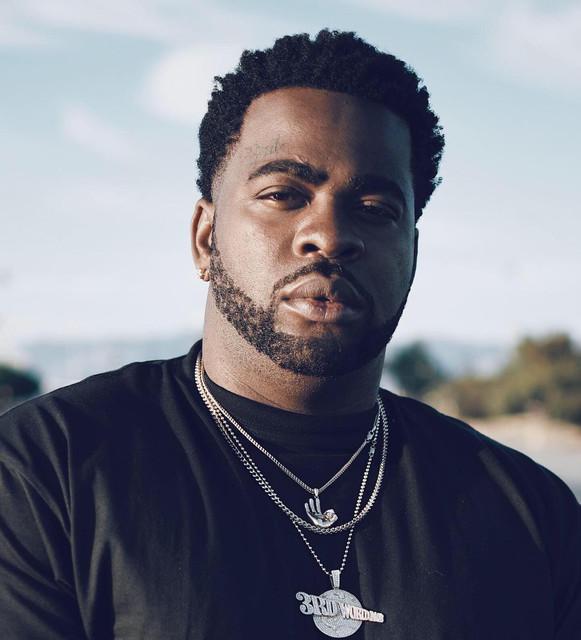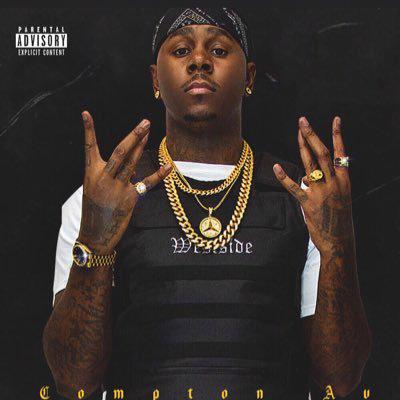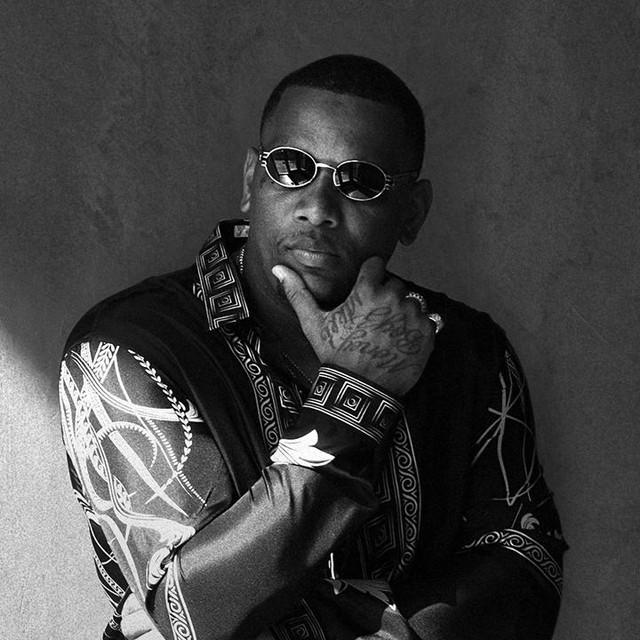
Joe Moses

Hip Hop
Contemporary Hip Hop
Alternative Hip Hop
 Viberate Rank: 20008
 Viberate Rank: 20008
 Monthly ListenersFollowers
 Subscribers
 Followers
 Followers
 FansTop Spotify Songs
| Track | 7-Day Streams | |
|---|---|---|
1 | 309.69K | |
2 | 174.97K | |
3 | 95.08K | |
4 | 50.54K | |
5 | 25.51K |
Top YouTube VideosMonthly ListenersFeatured in Playlists| Playlist | Followers | |
|---|---|---|
1 |  Westside Spotify | 751.01K |
2 |  House Party Spotify | 481.59K |
3 |  Rap Ice PopFiltr | 396.98K |
4 |  Hip-Hop and Play PlayStation®️ | 224.76K |
5 | old songs that slap🤷♂️ masonm414 | 147.25K |
Audience| City | Monthly Listeners | |
|---|---|---|
1 | | 28.77K |
2 | | 11.13K |
3 | | 8.73K |
4 | | 8.72K |
5 | | 8.68K |
See full performance history, audience data, playlist activity, rankings, comparisons, and more in Viberate music analytics. Start with a free trial, then continue with a paid plan.
Joe Moses’ Spotify BioCalifornia rapper Joe Moses began his career with a number of high-profile collaborations. Raised in Los Angeles, Moses was inspired by the music of 2Pac, but a stint in jail delayed his pursuits. After he was released from prison, he moved to Atlanta and signed to Waka Flocka Flame's Brick Squad Monopoly imprint. In 2011, Moses had a regional hit with "I Do It for the Ratchets." In 2013, he was featured on Ty Dolla $ign's "Paranoid," but before it was sent to radio, Atlantic Records insisted that B.o.B replace Moses' verse on the track. Eventually, he decided to part ways with the Brick Squad label, as he felt he wasn't getting the attention his career needed. He briefly signed to Pinnacle Records, but after just three weeks, he got out of the contract and returned to L.A. In 2017, Moses reunited with Ty Dolla $ign for the single "On My Bumper." A Future collaboration, "Back Goin Brazy," was issued in 2018, followed by a series of singles that landed on his Trap Angeles 2 mixtape. The… SuWop EP rounded out his year and featured contributions from Snoop Dogg and Wiz Khalifa, among others. Moses teamed up with RJmrLA first on "Stop It," followed later that year by "All Rap," which also featured Young Thug. He also found some success with the "Go Viral" single which featured Metro Boomin and Future. ~ Bekki Bemrose, Rovi
Viberate is a music analytics platform built for A&Rs, artist managers, labels, booking agents, marketers, and artists.
It helps music professionals track artist growth, analyze audience data, monitor playlist activity, compare artists, follow song performance, and identify opportunities across the music market.
Public artist pages provide a free preview of selected artist data. Paid plans provide access to deeper analytics, historical data, charts, comparisons, playlist tools, exports, alerts, reports, and additional professional features.
Yes. Public Viberate artist pages provide selected artist analytics and music data for free.
Viberate also offers a 7-day free trial of the full platform. A credit card is required to start the trial. The trial includes access to the complete product so users can test deeper artist analytics, historical views, playlist insights, comparisons, charts, exports, alerts, and reporting features before choosing a paid plan.
Viberate provides artist analytics across streaming, playlists, social media, video, radio airplay, songs, and audience markets.
Users can analyze Spotify performance, Spotify and Apple Music playlists, YouTube activity, TikTok and Instagram growth, radio spins, song performance, audience locations, demographics, rankings, and overall artist momentum.
Artist profiles also connect to music charts, similar artists, and comparison tools, helping users benchmark performance and evaluate artists in context.
Viberate updates key artist and track data daily.
For followed artists and tracks, selected data is refreshed multiple times per day. This helps teams monitor playlist changes, streaming movement, audience growth, releases, and campaign performance with more current data.
Update frequency can vary depending on the metric and data source.
Yes. Viberate lets users compare up to five artists side by side across streaming, social media, audience, and engagement metrics.
Users can compare fanbase growth, audience demographics, locations, Spotify performance, social metrics, and other artist data over selected time periods.
Artist comparison can be used for A&R scouting, benchmarking, booking decisions, campaign planning, and evaluating artists with similar audiences or market positions.