Joe McBride

R&B
Soul
Smooth Jazz
 Viberate Rank: 89166
 Viberate Rank: 89166
 Monthly ListenersFollowers
 Subscribers
 Followers
 Followers
 FansTop Spotify Songs
| Track | 7-Day Streams | |
|---|---|---|
1 | 39.26K | |
2 | 15.34K | |
3 | 14.51K | |
4 | 14.07K | |
5 | 11.76K |
Top YouTube VideosMonthly ListenersFeatured in Playlists| Playlist | Followers | |
|---|---|---|
1 |  Smooth Jazz Classics Spotify | 194.30K |
2 |  Smooth Jazz - Instrumental Pekka Martikainen | 141.77K |
3 |  Smooth Jazz 2000 Spotify | 90.20K |
4 | DIANA KRALL GREATEST HITS Graciela Patiño | 35.78K |
5 |  Smooth Jazz ¤ The Best onaraya | 33.95K |
Audience| City | Monthly Listeners | |
|---|---|---|
1 | | 1.88K |
2 |  | 1.75K |
3 | | 1.69K |
4 |  | 1.62K |
5 | | 1.61K |
See full performance history, audience data, playlist activity, rankings, comparisons, and more in Viberate music analytics. Start with a free trial, then continue with a paid plan.
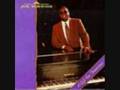
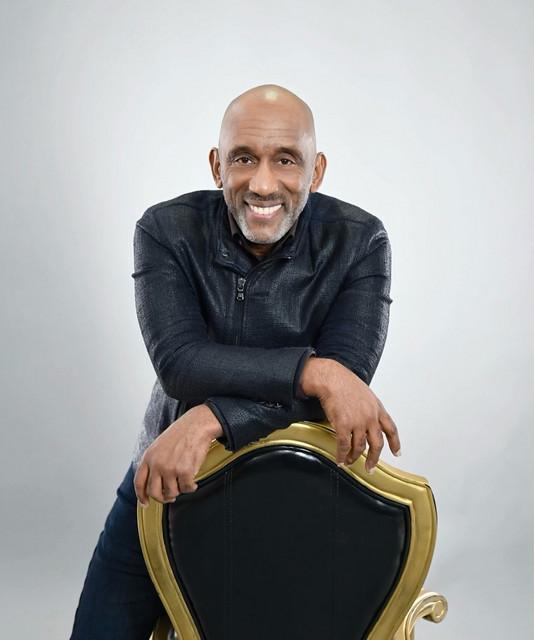
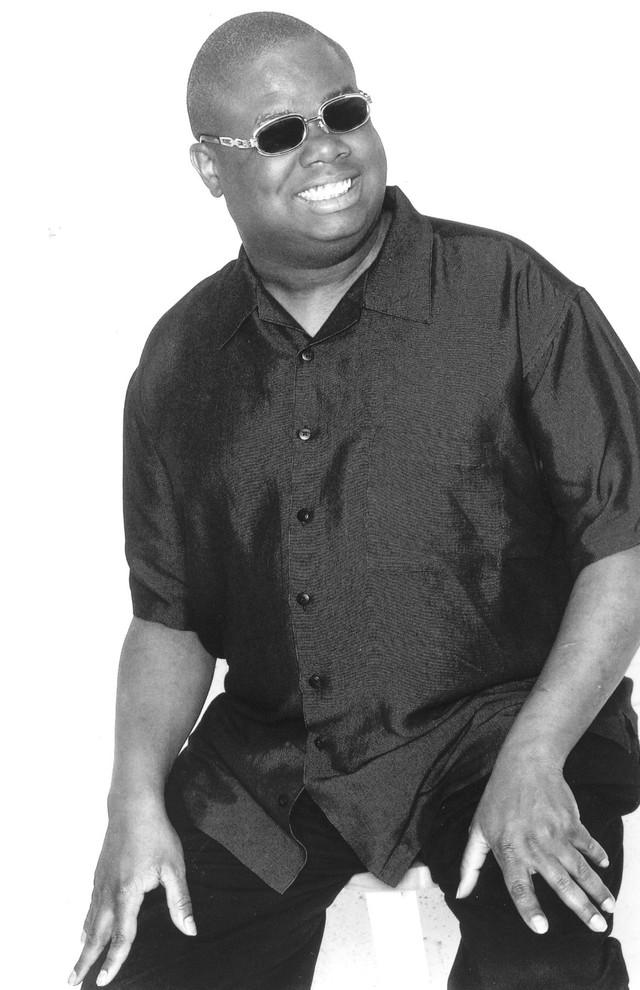
Joe McBride’s Spotify BioBorn and raised in Fulton, MO, keyboardist/singer Joe McBride began playing the piano at age four. His uncle Bake McBride was an outfielder for the St. Louis Cardinals and the Cleveland Indians. His earliest influences were gospel music, bebop, straight-ahead jazz, Motown, and '70s R&B and funk. As a teenager, he began singing and playing at jazz clubs. Around this time, McBride was stricken with a degenerative eye disease that eventually claimed his sight, but his passion for music didn't diminish. He continued his musical studies at the Missouri School for the Blind and Webster University in suburban St. Louis, where he majored in jazz performance. He also attended the University of North Texas. Around 1983, McBride trekked to San Diego, CA, a bastion of smooth jazz radio. He began playing with the band Fattburger and guitarist Steve Laury.
In 1985, McBride visited his brother in Dallas, TX. What was originally planned as a two-week visit evolved into an abundant opportunity. He was… flooded with performing offers, leading to McBride becoming a popular musician of the city's jazz club scene. During that time he met a young trumpeter named Dave Love at a function for North Texas State University. The two became fast friends and when Love ventured into the other side of the music business and started the Heads Up International label, the executive remembered the soulful pianist/vocalist he had met in Dallas and signed him to a record deal. In 1992, the keyboardist was featured on Heads Up labelmate Kenny Blake's debut, Interior Design, and began touring with the Heads Up Superband along with Blake, Gerald Veasley, andHenry Johnson. McBride has also been the opening act for Whitney Houston, Larry Carlton, and the Yellowjackets. His reputation has reached overseas, making McBride a favorite in Europe and Spain.
McBride's debut album, Grace, released in 1992, instantly made him a core artist at smooth jazz radio. McBride's other albums released during the '90s include A Gift for Tomorrow (1994), Keys to Your Heart (1996), and Double Take (1998). A stellar guest list of artists that have appeared on his releases includes Grover Washington, Jr., Richard Elliot, Phil Perry, Peter White, Dave Koz, Rick Braun, and Larry Carlton, among others.
At the start of the 21st century, McBride's long sought-after dream was realized: an album that featured his band, the Texas Rhythm Club. His CD Texas Rhythm Club was recorded in his home base of Dallas and issued by Heads Up International on June 27, 2000. Highlights are "Howzit in Dallas," "Everything Remains the Same," the tender ballad "It's You," the snappy "Lone Star Boogie," and the humorous "Texas Blues Cruise." His recorded output has continued during the new millennium, as 2002 saw the release of Keepin' It Real, while Texas Hold'em came out in 2005. Lookin' for a Change appeared in 2009 from Heads Up Records. ~ Ed Hogan, Rovi
Viberate is a music analytics platform built for A&Rs, artist managers, labels, booking agents, marketers, and artists.
It helps music professionals track artist growth, analyze audience data, monitor playlist activity, compare artists, follow song performance, and identify opportunities across the music market.
Public artist pages provide a free preview of selected artist data. Paid plans provide access to deeper analytics, historical data, charts, comparisons, playlist tools, exports, alerts, reports, and additional professional features.
Yes. Public Viberate artist pages provide selected artist analytics and music data for free.
Viberate also offers a 7-day free trial of the full platform. A credit card is required to start the trial. The trial includes access to the complete product so users can test deeper artist analytics, historical views, playlist insights, comparisons, charts, exports, alerts, and reporting features before choosing a paid plan.
Viberate provides artist analytics across streaming, playlists, social media, video, radio airplay, songs, and audience markets.
Users can analyze Spotify performance, Spotify and Apple Music playlists, YouTube activity, TikTok and Instagram growth, radio spins, song performance, audience locations, demographics, rankings, and overall artist momentum.
Artist profiles also connect to music charts, similar artists, and comparison tools, helping users benchmark performance and evaluate artists in context.
Viberate updates key artist and track data daily.
For followed artists and tracks, selected data is refreshed multiple times per day. This helps teams monitor playlist changes, streaming movement, audience growth, releases, and campaign performance with more current data.
Update frequency can vary depending on the metric and data source.
Yes. Viberate lets users compare up to five artists side by side across streaming, social media, audience, and engagement metrics.
Users can compare fanbase growth, audience demographics, locations, Spotify performance, social metrics, and other artist data over selected time periods.
Artist comparison can be used for A&R scouting, benchmarking, booking decisions, campaign planning, and evaluating artists with similar audiences or market positions.