Joe Lovano

Jazz
Free Jazz
Smooth Jazz
 Viberate Rank: 90601
 Viberate Rank: 90601
 Monthly ListenersFollowers
 Subscribers
 Followers
 Followers
 FansTop Spotify Songs
| Track | 7-Day Streams | |
|---|---|---|
1 | 14.32K | |
2 | 9.81K | |
3 | 7.03K | |
4 | 6.06K | |
5 | 6.00K |
Top YouTube VideosMonthly ListenersFeatured in Playlists| Playlist | Followers | |
|---|---|---|
1 |  Jazz Classics Spotify | 5.08M |
2 |  Late Night Jazz Spotify | 2.18M |
3 |  State of Jazz Spotify | 1.05M |
4 |  Jazz Classics Blue Note Edition Spotify | 549.30K |
5 |  Jazzy Dinner Spotify | 417.94K |
Audience| City | Monthly Listeners | |
|---|---|---|
1 |  | 1.64K |
2 | | 1.32K |
3 |  | 1.20K |
4 |  | 1.17K |
5 |  | 1.11K |
See full performance history, audience data, playlist activity, rankings, comparisons, and more in Viberate music analytics. Start with a free trial, then continue with a paid plan.
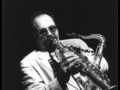
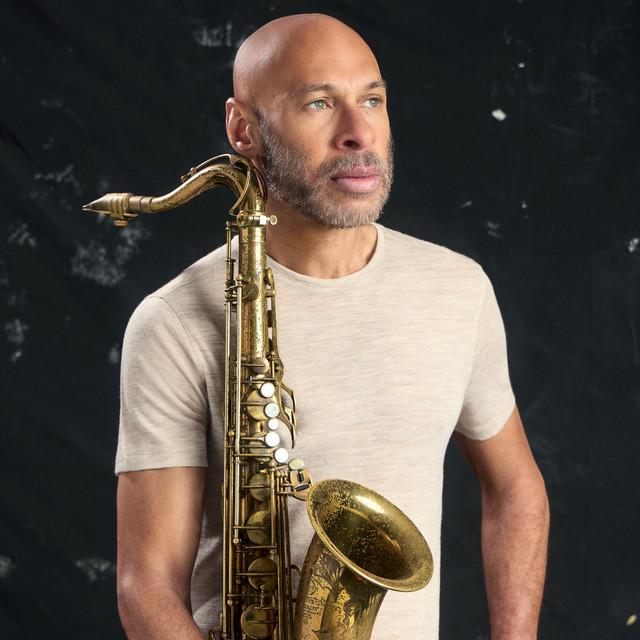
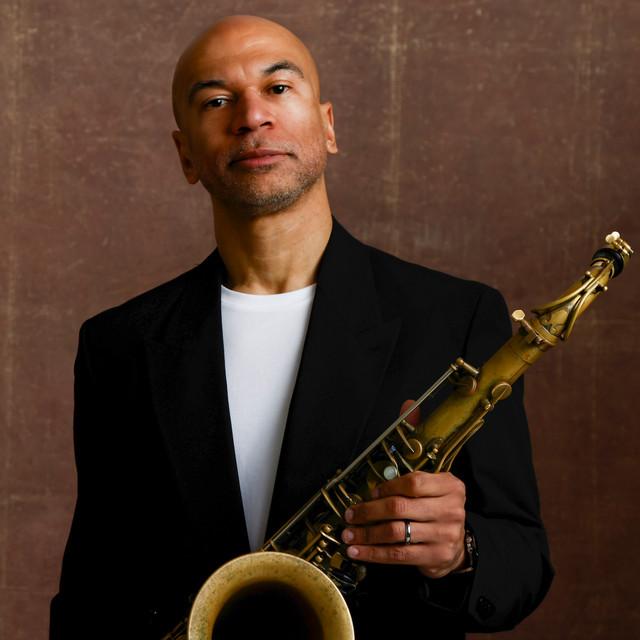
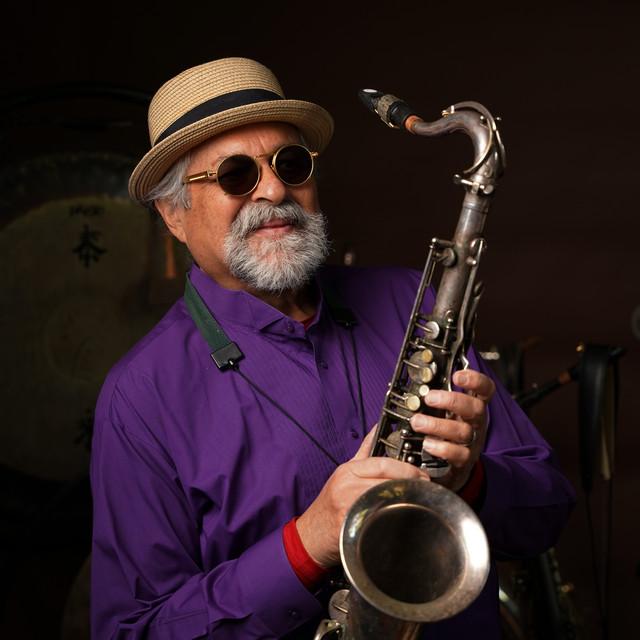
Joe Lovano’s Spotify BioOne of the most celebrated saxophonists of his generation, Joe Lovano is a highly expressive improviser whose lithe, swinging style incorporates traditional bop influences with modal and free devices. Lovano first came to prominence in the early '90s and issued a handful of highly regarded albums for Blue Note, including 1993's Universal Language, 1996's Celebrating Sinatra, and 2000's 52nd Street Themes, the latter of which took home the Grammy Award for Best Large Ensemble Jazz Album. In addition to working with celebrated icons like Hank Jones and Paul Motian, he has paid homage to his idols, as on 2011's Charlie Parker-inspired Bird Songs and 2017's Compassion: The Music of John Coltrane. He has remained at the forefront of post-bop jazz, recording with like-minded contemporaries including trumpeter Dave Douglas (2018's Sound Prints: Scandal), and continuing to make forays into the avant-garde alongside pianist Marilyn Crispell and drummer Carmen Castaldi as Trio Tapestry. Another …Douglas collaboration, Other Worlds, arrived in 2021, followed by 2022's Once Around the Room: A Tribute to Paul Motian with Jakob Bro, and a third Trio Tapestry outing, 2023's Our Daily Bread.
Born Joseph Salvatore Lovano in 1952 in Cleveland, Ohio, Lovano was first introduced to the saxophone by his father, respected Cleveland saxophonist Tony "Big T" Lovano. Along with his father's instruction, Lovano would hear many of the prominent jazz artists who passed through town, including Dizzy Gillespie, James Moody, Sonny Stitt, and Rahsaan Roland Kirk. He progressed quickly and began playing in local jam sessions while still in his teens. Although steeped in the bebop tradition, he also developed an interest in experimental jazz of the '60s, listening to such musicians as John Coltrane, Jimmy Giuffre, and Ornette Coleman. After high school, Lovano honed his skills at Boston's Berklee School of Music, where he brushed shoulders with such future collaborators as John Scofield, Bill Frisell, and Kenny Werner.
Graduating Berklee, Lovano found work with organists Lonnie Smith and Jack McDuff. He also toured with Woody Herman from 1976 to 1979, after which he settled in New York City. There, he joined drummer Mel Lewis' Village Vanguard Orchestra (playing with the band from 1980 to 1992). During this period, he also worked with Elvin Jones, Carla Bley, Lee Konitz, Charlie Haden, and Bob Brookmeyer, among others. Beginning in 1981, he was a regular member of drummer Paul Motian's band (which included his Berklee classmate Frisell) and played with guitarist John Scofield's quartet. In 1985, Lovano made his recorded debut as a leader with Tones, Shapes & Colors on the Soul Note label, playing alongside pianist Ken Werner, bassist Dennis Irwin, and drummer Lewis. A handful of albums followed for the label including 1987's One Time Out and 1988's Village Rhythm.
In the early '90s, Lovano's profile began to rise after he signed with Blue Note, making his debut for the label with 1991's From the Soul, a hard-hitting quartet date with pianist Michel Petrucciani, bassist Dave Holland, and drummer Ed Blackwell. The similarly swinging Landmarks arrived later that year, and featured guitarist John Abercrombie, pianist Ken Werner, bassist Marc Johnson, and drummer Bill Stewart. Lovano then featured his wife, vocalist Judi Silvano, on 1992's Universal Language, and picked up his first Grammy nomination for 1993's Tenor Legacy. Silvano also contributed to 1994's Rush Hour. The saxophonist's 1995 album Quartets: Live at the Village Vanguard picked up yet another Grammy nomination and was named Jazz Album of the Year by readers of Down Beat magazine. He then paid homage to the work of vocalist Frank Sinatra on 1996's Celebrating Sinatra (on which Judi Silvano also appeared).
In 2000, Lovano took home his first Grammy Award win for Best Large Jazz Ensemble Album with 52nd Street Themes, in which he interpreted the music of bop-era stalwarts like Tadd Dameron, Charlie Parker, and Thelonious Monk. Lovano then drew from his Italian heritage, playing music associated with legendary opera tenor Enrico Caruso on 2001's Viva Caruso. In 2004, he released the ballads album I'm All for You, featuring pianist Hank Jones. Jones was also on board for 2005's Joyous Encounter, which included bassist George Mraz and drummer Paul Motian.
The ambitious Streams of Expression appeared in 2006 and featured the five-part "Streams of Expression Suite" and the three-part "Birth of the Cool Suite" (conducted by Gunther Schuller), the latter of which drew inspiration from Miles Davis' 1948 to 1950 Nonet recordings. Lovano again paired with Jones for 2007's Kids: Duets Live at Dizzy's Club Coca-Cola and joined the WDR Big Band and Rundfunk Orchestra for 2008's Symphonica. Folk Art arrived in 2009 and featured his Us Five quintet. Two years later, he celebrated his 20-year association with Blue Note by releasing the Charlie "Yardbird" Parker tribute album Bird Songs. He then returned in 2012 with his third album featuring the Us Five quintet, Cross Culture.
In 2015, Lovano paired with trumpeter Dave Douglas to form the Sound Print quintet, issuing the Wayne Shorter-inspired album Live at the Monterey Jazz Festival. Another live date, originally captured at the 2005 Newport Jazz Festival, surfaced the following year as the Blue Note album Classic! Live at Newport. It featured the late Hank Jones (who passed in 2010), as well as bassist Mraz and drummer Lewis Nash. Lovano also collaborated with fellow saxophonist David Liebman on the 2017 tribute album Compassion: The Music of John Coltrane. The following year, he reunited with Douglas for Sound Print's second album and first studio recording, Scandal.
An eponymously titled ECM date, Trio Tapestry with pianist Marilyn Crispell and longtime associate Cleveland drummer Carmen Castaldi, arrived in 2019 and introduced the collaborative group. He appeared with trumpeter Enrico Rava on the live ECM date Roma, also in 2019. A third ECM session, Arctic Riff, was released in May 2020 and found the saxophonist engaging in hypnotic interplay with Polish pianist Marcin Wasilewski and his trio. He then returned to his work with Crispell and Castaldi for their second album, 2021's Trio Tapestry: Garden of Expression. He was also back with Douglas and Sound Prints for the group's third album, Other Worlds the same year. 2022's Once Around the Room: A Tribute to Paul Motian found him co-leading a group with guitarist Jakob Bro and featuring bassists Larry Grenadier, Thomas Morgan, and Anders Christensen, as well as drummers Joey Baron and Jorge Rossy. A third Trio Tapestry album, Our Daily Bread, appeared in May 2023. ~ Matt Collar, Rovi
Viberate is a music analytics platform built for A&Rs, artist managers, labels, booking agents, marketers, and artists.
It helps music professionals track artist growth, analyze audience data, monitor playlist activity, compare artists, follow song performance, and identify opportunities across the music market.
Public artist pages provide a free preview of selected artist data. Paid plans provide access to deeper analytics, historical data, charts, comparisons, playlist tools, exports, alerts, reports, and additional professional features.
Yes. Public Viberate artist pages provide selected artist analytics and music data for free.
Viberate also offers a 7-day free trial of the full platform. A credit card is required to start the trial. The trial includes access to the complete product so users can test deeper artist analytics, historical views, playlist insights, comparisons, charts, exports, alerts, and reporting features before choosing a paid plan.
Viberate provides artist analytics across streaming, playlists, social media, video, radio airplay, songs, and audience markets.
Users can analyze Spotify performance, Spotify and Apple Music playlists, YouTube activity, TikTok and Instagram growth, radio spins, song performance, audience locations, demographics, rankings, and overall artist momentum.
Artist profiles also connect to music charts, similar artists, and comparison tools, helping users benchmark performance and evaluate artists in context.
Viberate updates key artist and track data daily.
For followed artists and tracks, selected data is refreshed multiple times per day. This helps teams monitor playlist changes, streaming movement, audience growth, releases, and campaign performance with more current data.
Update frequency can vary depending on the metric and data source.
Yes. Viberate lets users compare up to five artists side by side across streaming, social media, audience, and engagement metrics.
Users can compare fanbase growth, audience demographics, locations, Spotify performance, social metrics, and other artist data over selected time periods.
Artist comparison can be used for A&R scouting, benchmarking, booking decisions, campaign planning, and evaluating artists with similar audiences or market positions.