Joe Loss

Jazz
Swing
Big band Jazz
 Viberate Rank: 275750
 Viberate Rank: 275750
 Monthly ListenersFollowers
 Subscribers
 Followers
 Followers
 FansTop Spotify Songs
| Track | 7-Day Streams | |
|---|---|---|
1 | 1.13K | |
2 | 1.11K | |
3 | 762 | |
4 | 761 | |
5 | 761 |
Top YouTube VideosMonthly ListenersFeatured in Playlists| Playlist | Followers | |
|---|---|---|
1 | 1940s Ben Hughes | 19.93K |
2 | World War 2 Songs Stefan Hellqvist-Schjødt | 7.64K |
3 |  WW2 Songs - Blitz Hits WW2 Tommy | 7.02K |
4 | 1930s Ben Hughes | 4.95K |
5 |  Parisian Cafe Scott Sevier | 4.64K |
Audience| City | Monthly Listeners | |
|---|---|---|
1 |  | 179 |
2 | | 66 |
3 |  | 63 |
4 | | 62 |
5 | | 61 |
See full performance history, audience data, playlist activity, rankings, comparisons, and more in Viberate music analytics. Start with a free trial, then continue with a paid plan.
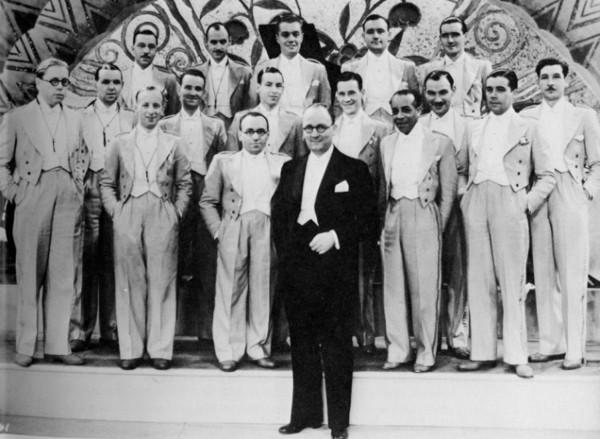
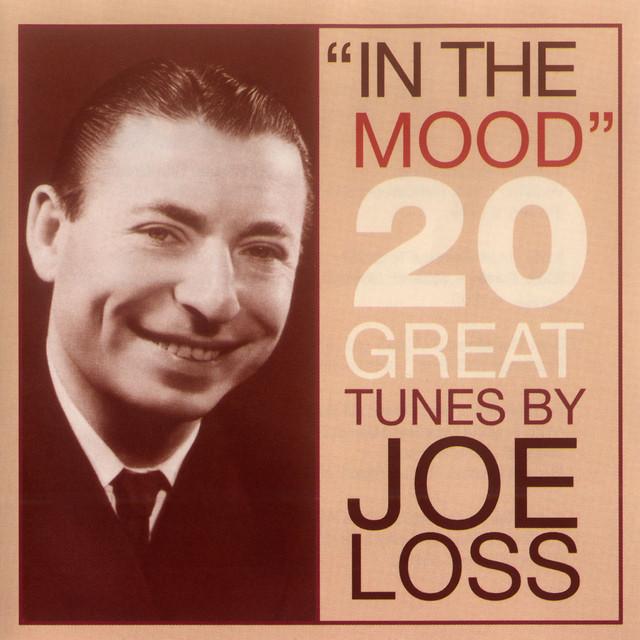
Joe Loss’ Spotify Biob. Joshua Alexander Loss, 22 June 1909, Spitalfields, London, England, d. 6 June 1990, London, England. One of the most popular band leaders in the UK over a period of many years, Loss was taught to play the violin with a view to pursuing a classical career. He won a scholarship to the Trinity College of Music, and later studied at the London School of Music before forming his own band at the age of 16, playing local halls and accompanying silent movies. In 1930 he moved into London’s Astoria Ballroom, and played at the Kit-Kat Club a year later. His band made its broadcasting debut in 1933, and, early in 1934, topped the variety bill at the Holborn Empire. Later that year, he returned to the Astoria for a long residency, and while there adopted ‘Let’s Dance At The Make Believe Ballroom’ as his first proper signature tune. Also in 1934, he started recording for the Regal Zonophone Records label, later part of EMI Records, and stayed with the company for over 50 years. A large part of… the Loss band’s popularity during the 30s was due to the many featured vocalists including Paula Greene, Betty Dale, Adelaide Hall, Shirley Lenner, Elizabeth Batey, Marjorie Kingsley, Monte Rey (with his big hit ‘The Donkey Serenade’) and especially Chick Henderson, later killed while in the Royal Navy, who recorded the very popular ‘Begin The Beguine’.
Some of the band’s other successes were ‘Woodchopper’s Ball’ and ‘Honky Tonk Train Blues’. Loss also gave Vera Lynn her first broadcasting opportunity in 1935, when she sang ‘Red Sails In The Sunset’. In 1940, Loss left the Astoria and went to France to play for the British Expeditionary Forces before returning to the UK, and spending the rest of World War II successfully touring the UK’s ballrooms. After the war he was resident at the Hammersmith Palais, and later, during the 50s, survived the onslaught of rock ‘n’ roll. By this time, he also had a successful band agency. In the early 60s he had chart hits with ‘Wheels Cha Cha’, ‘Sucu Sucu’, ‘The Maigret Theme’, ‘Must Be Madison’, ‘The March Of The Mods’, and many bestselling albums. During the war Loss had adopted the Glenn Miller favourite ‘In The Mood’ as his theme tune, and it was his recording that featured on the Jive Bunny And The Mastermixers novelty single in 1989. His series of World Championship Ballroom Dances albums reflected his many appearances on BBC Television’s Come Dancing, and the 14 Carl Alan Awards presented by the industry. During one of his annual working holidays on the QE2 in 1978, he became the first dance band leader to play in communist China.
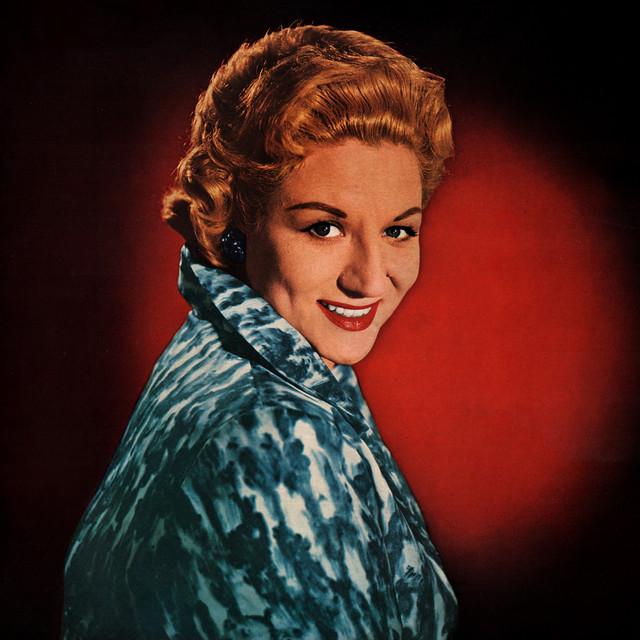
His post-war singers included Howard Jones (the vocalist on the 1948 Loss US hit ‘A Tree In A Meadow’), Larry Gretton, Rose Brennan (who stayed with the band for over 15 years) and Ross McManus (father of Elvis Costello). (McManus and Costello sang together for the first time on stage in a charity tribute to Joe Loss that was presented at the Barbican Theatre in London in 1994.) Loss played at many royal functions, including the Queen’s 50th birthday celebrations and the Queen Mother’s 80th birthday. The most energetic and mobile of band leaders officially retired in 1989 after 60 years at the top. Among his many awards were an OBE in 1978, Her Majesty’s Silver Medal in 1977 and a Lieutenancy in the Royal Victorian Order in 1984.
Viberate is a music analytics platform built for A&Rs, artist managers, labels, booking agents, marketers, and artists.
It helps music professionals track artist growth, analyze audience data, monitor playlist activity, compare artists, follow song performance, and identify opportunities across the music market.
Public artist pages provide a free preview of selected artist data. Paid plans provide access to deeper analytics, historical data, charts, comparisons, playlist tools, exports, alerts, reports, and additional professional features.
Yes. Public Viberate artist pages provide selected artist analytics and music data for free.
Viberate also offers a 7-day free trial of the full platform. A credit card is required to start the trial. The trial includes access to the complete product so users can test deeper artist analytics, historical views, playlist insights, comparisons, charts, exports, alerts, and reporting features before choosing a paid plan.
Viberate provides artist analytics across streaming, playlists, social media, video, radio airplay, songs, and audience markets.
Users can analyze Spotify performance, Spotify and Apple Music playlists, YouTube activity, TikTok and Instagram growth, radio spins, song performance, audience locations, demographics, rankings, and overall artist momentum.
Artist profiles also connect to music charts, similar artists, and comparison tools, helping users benchmark performance and evaluate artists in context.
Viberate updates key artist and track data daily.
For followed artists and tracks, selected data is refreshed multiple times per day. This helps teams monitor playlist changes, streaming movement, audience growth, releases, and campaign performance with more current data.
Update frequency can vary depending on the metric and data source.
Yes. Viberate lets users compare up to five artists side by side across streaming, social media, audience, and engagement metrics.
Users can compare fanbase growth, audience demographics, locations, Spotify performance, social metrics, and other artist data over selected time periods.
Artist comparison can be used for A&R scouting, benchmarking, booking decisions, campaign planning, and evaluating artists with similar audiences or market positions.