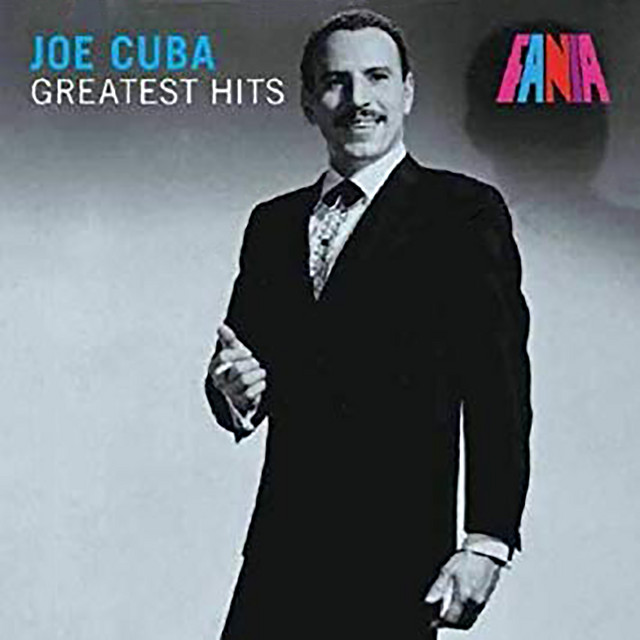
Joe Cuba

Jazz
Latin Jazz
Salsa
 Viberate Rank: 43451
 Viberate Rank: 43451
 Monthly ListenersFollowers
 Subscribers
 Followers
 Followers
 FansTop Spotify Songs
| Track | 7-Day Streams | |
|---|---|---|
1 | 125.51K | |
2 | 16.11K | |
3 | 13.52K | |
4 | 12.96K | |
5 | 6.93K |
Top YouTube VideosMonthly ListenersFeatured in Playlists| Playlist | Followers | |
|---|---|---|
1 |  Salsa: Los '70 Spotify | 251.53K |
2 | Covers (that are better than the originals) JTG | 209.14K |
3 |  Los Kandelazos 🔥 Bailables 💃 uDiscover Éxitos | 61.46K |
4 | Salsita Pa Bailar! 💃🏻 Lina Tejeiro ♥️ | 47.01K |
5 | VARIADO DE TODITO ANA MARIA VILLA OCAMPO | 36.83K |
Audience| City | Monthly Listeners | |
|---|---|---|
1 |  | 37.92K |
2 | | 13.06K |
3 | | 9.69K |
4 | | 8.43K |
5 |  | 4.50K |
See full performance history, audience data, playlist activity, rankings, comparisons, and more in Viberate music analytics. Start with a free trial, then continue with a paid plan.
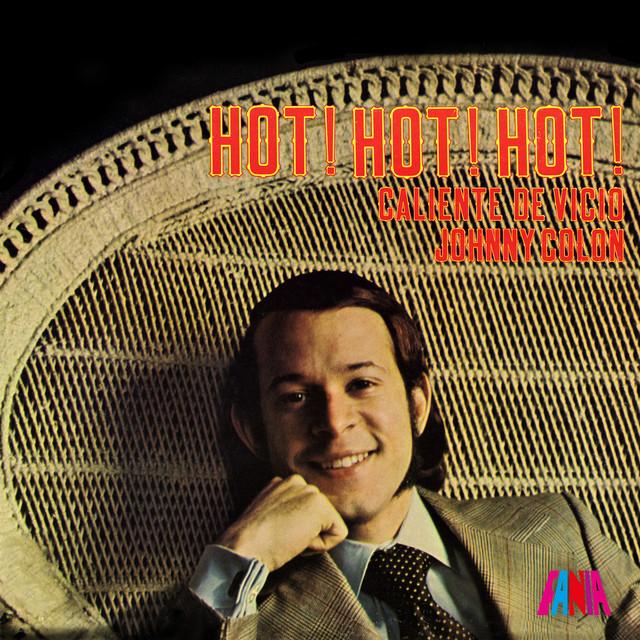
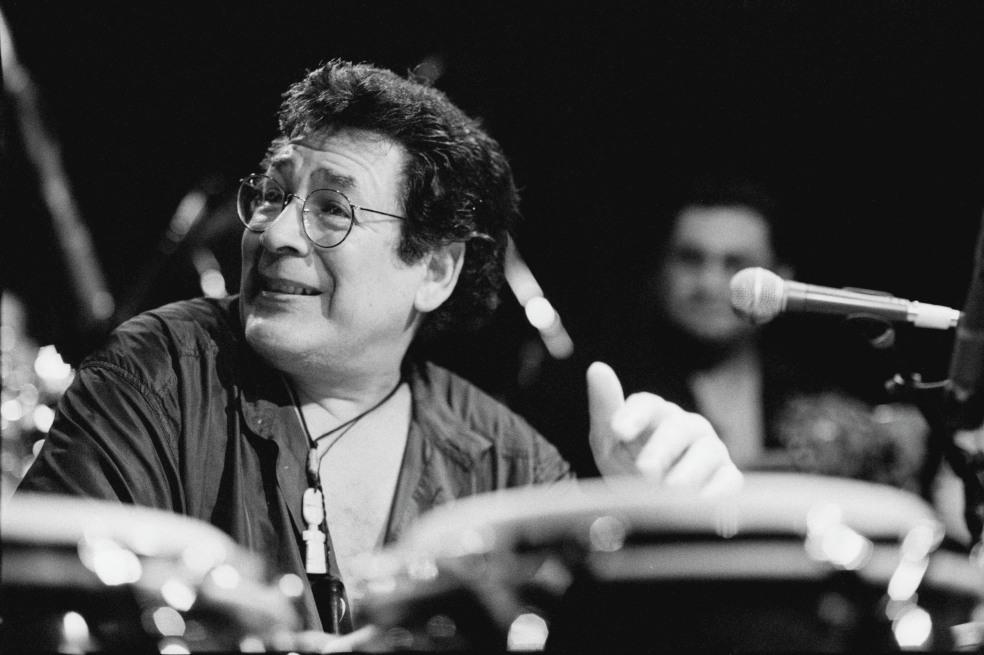
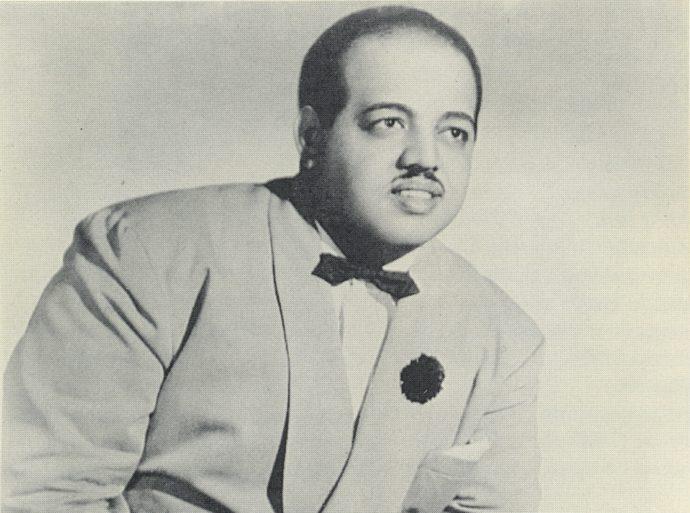
Joe Cuba’s Spotify BioJoe Cuba's music career started with La Alfarona X in 1950. In 1955 the Joe Cuba Sextet came into being and his vibraharp sound caught on. In 1962, when the group recorded "To Be with You" for Seeco Records, the band began to soar to popularity because of Nick Jimenez's arrangements and the vocals of Cheo Feliciano and Jimmy Sabater. When the boogaloo era arrived, the majority of the popular New York bands were put out of work. The Cuba sound changed with its recordings of "El Pito" and "Bang Bang"; it not only sold millions but enabled The Cuba sextet to enjoy the #1 spot in the Latin music world along with the Eddie Palmieri Orchestra. ~ Max Salazar, Rovi
Viberate is a music analytics platform built for A&Rs, artist managers, labels, booking agents, marketers, and artists.
It helps music professionals track artist growth, analyze audience data, monitor playlist activity, compare artists, follow song performance, and identify opportunities across the music market.
Public artist pages provide a free preview of selected artist data. Paid plans provide access to deeper analytics, historical data, charts, comparisons, playlist tools, exports, alerts, reports, and additional professional features.
Yes. Public Viberate artist pages provide selected artist analytics and music data for free.
Viberate also offers a 7-day free trial of the full platform. A credit card is required to start the trial. The trial includes access to the complete product so users can test deeper artist analytics, historical views, playlist insights, comparisons, charts, exports, alerts, and reporting features before choosing a paid plan.
Viberate provides artist analytics across streaming, playlists, social media, video, radio airplay, songs, and audience markets.
Users can analyze Spotify performance, Spotify and Apple Music playlists, YouTube activity, TikTok and Instagram growth, radio spins, song performance, audience locations, demographics, rankings, and overall artist momentum.
Artist profiles also connect to music charts, similar artists, and comparison tools, helping users benchmark performance and evaluate artists in context.
Viberate updates key artist and track data daily.
For followed artists and tracks, selected data is refreshed multiple times per day. This helps teams monitor playlist changes, streaming movement, audience growth, releases, and campaign performance with more current data.
Update frequency can vary depending on the metric and data source.
Yes. Viberate lets users compare up to five artists side by side across streaming, social media, audience, and engagement metrics.
Users can compare fanbase growth, audience demographics, locations, Spotify performance, social metrics, and other artist data over selected time periods.
Artist comparison can be used for A&R scouting, benchmarking, booking decisions, campaign planning, and evaluating artists with similar audiences or market positions.