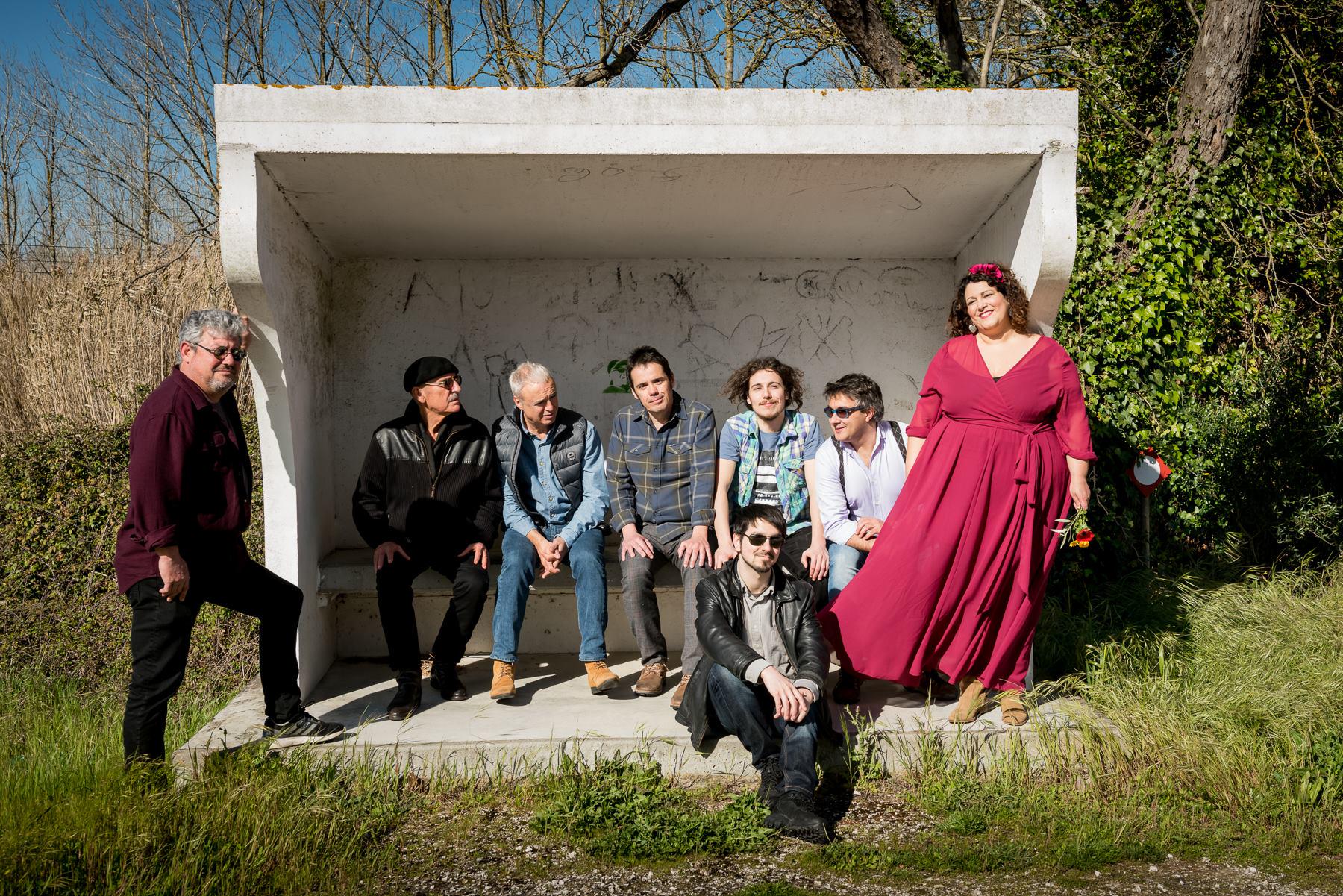
João Farinha

Jazz
Avant-garde Jazz
Other European Music
 Viberate Rank: 248070
 Viberate Rank: 248070
 Monthly ListenersFollowers
 Subscribers
 Followers
 Followers
 FansTop Spotify Songs
| Track | 7-Day Streams | |
|---|---|---|
1 | 359 | |
2 | 293 | |
3 | 241 | |
4 | 231 | |
5 | 221 |
Top YouTube VideosMonthly ListenersFeatured in Playlists| Playlist | Followers | |
|---|---|---|
1 |  🪕 FADO 🇵🇹 Paulo Bauken Sampaio | 1.17K |
Audience| City | Monthly Listeners | |
|---|---|---|
1 | | 638 |
2 | | 450 |
3 | | 282 |
4 | | 90 |
5 | | 52 |
See full performance history, audience data, playlist activity, rankings, comparisons, and more in Viberate music analytics. Start with a free trial, then continue with a paid plan.
João Farinha’s Spotify BioEN
(seguido da versão em português abaixo)
João Farinha was born in Coimbra, Portugal, in January 1976. Fado is in his blood. Coimbra runs through his veins. His encounter with Coimbra’s Fado came early through his father. As a boy, João entered this unique world, sharing moments with some of the greatest names of Coimbra’s song from the late 20th century. In collective projects — ÆMINIUM (1998), Coimbra Ensemble (2005), Fado ao Centro (2011) — or under his own name, João has followed a path of creation and interpretation, tracing new routes for Coimbra’s Fado while staying true to its roots. He has taken his music to over 30 countries across five continents. His solo album A Conta Que Deus Fez (2024), produced by Tiago Machado, explores new sounds without losing the soul of fado.
PT
João Farinha nasceu em Coimbra, Portugal, em janeiro de 1976. O fado está-lhe no sangue. Coimbra corre-lhe nas veias. O encontro com o Fado de Coimbra deu-se cedo, por via do pai. Ainda menino, entrou nesse… universo único, convivendo com alguns dos maiores nomes da canção coimbrã do final do século XX. Em projetos como ÆMINIUM (1998), Coimbra Ensemble (2005), Fado ao Centro (2011) ou a solo, tem seguido o caminho da criação e da interpretação, abrindo novas rotas para o Fado de Coimbra. Já atuou em mais de 30 países nos cinco continentes. O seu disco A Conta Que Deus Fez (2024), produzido por Tiago Machado, explora novos sons sem perder a alma do fado.
Viberate is a music analytics platform built for A&Rs, artist managers, labels, booking agents, marketers, and artists.
It helps music professionals track artist growth, analyze audience data, monitor playlist activity, compare artists, follow song performance, and identify opportunities across the music market.
Public artist pages provide a free preview of selected artist data. Paid plans provide access to deeper analytics, historical data, charts, comparisons, playlist tools, exports, alerts, reports, and additional professional features.
Yes. Public Viberate artist pages provide selected artist analytics and music data for free.
Viberate also offers a 7-day free trial of the full platform. A credit card is required to start the trial. The trial includes access to the complete product so users can test deeper artist analytics, historical views, playlist insights, comparisons, charts, exports, alerts, and reporting features before choosing a paid plan.
Viberate provides artist analytics across streaming, playlists, social media, video, radio airplay, songs, and audience markets.
Users can analyze Spotify performance, Spotify and Apple Music playlists, YouTube activity, TikTok and Instagram growth, radio spins, song performance, audience locations, demographics, rankings, and overall artist momentum.
Artist profiles also connect to music charts, similar artists, and comparison tools, helping users benchmark performance and evaluate artists in context.
Viberate updates key artist and track data daily.
For followed artists and tracks, selected data is refreshed multiple times per day. This helps teams monitor playlist changes, streaming movement, audience growth, releases, and campaign performance with more current data.
Update frequency can vary depending on the metric and data source.
Yes. Viberate lets users compare up to five artists side by side across streaming, social media, audience, and engagement metrics.
Users can compare fanbase growth, audience demographics, locations, Spotify performance, social metrics, and other artist data over selected time periods.
Artist comparison can be used for A&R scouting, benchmarking, booking decisions, campaign planning, and evaluating artists with similar audiences or market positions.