Jo-El Sonnier

Country
Contemporary Country
Americana/Alt Country
Bluegrass
 Viberate Rank: 256813
 Viberate Rank: 256813
 Monthly ListenersFollowers
 Subscribers
 Followers
 Followers
 FansTop Spotify Songs
| Track | 7-Day Streams | |
|---|---|---|
1 | 719 | |
2 | 675 | |
3 | 642 | |
4 | 631 | |
5 | 471 |
Top YouTube VideosMonthly ListenersFeatured in Playlists| Playlist | Followers | |
|---|---|---|
1 |  True Detective (Season 1) Soundtrack matthewditta1999 | 84.26K |
2 | Zydeco Cajun Music sarah_tv | 31.12K |
3 | True Detective Diego Lerer | 28.51K |
4 |  Disney Parks: Background Music j3shafer | 24.42K |
5 | Cajun music warrenpriceii | 12.34K |
Audience| City | Monthly Listeners | |
|---|---|---|
1 | | 379 |
2 | | 339 |
3 | | 333 |
4 | | 236 |
5 | | 191 |
See full performance history, audience data, playlist activity, rankings, comparisons, and more in Viberate music analytics. Start with a free trial, then continue with a paid plan.
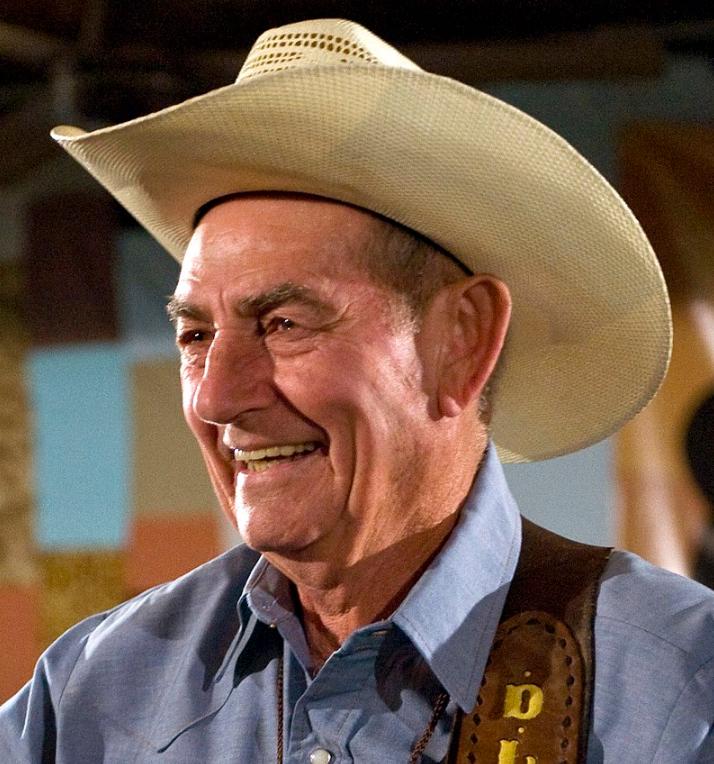
Jo-El Sonnier’s Spotify BioThere were better-known figures than Jo-El Sonnier in the Cajun music tradition of Louisiana. And there were Louisiana musicians such as Doug Kershaw who have taken simplified versions of Cajun music to Nashville and experienced greater success in the world of country music. But no one moved as easily between Cajun and country music as Sonnier, and no one was as well respected as a bridge between musical traditions. A fixture of the traditional Cajun scene, Sonnier also reached the top of the country charts and brought his energetic accordion sounds to recordings by artists ranging from Bob Dylan to Steven Curtis Chapman.
Sonnier was born the son of French-speaking sharecroppers near Rayne, Louisiana. He was raised in extreme poverty, often working in the cotton fields with his parents. He began playing his much older brother's battered accordion at age three and was soon known as something of a Cajun music prodigy. He first performed on the radio when he was six (on Crowley station… KSIG) and was recording by 11. As a teenager Sonnier became a well-established Cajun musician, recording four albums and at least a dozen singles on regional Louisiana labels. (Some were reissued in 2000 on the Cajun Valentino album, whose title referred to Sonnier's billing at the time.) He moved to California in search of wider fame in the early '70s, landing session work and making friends among the Los Angeles music elite, and he seemed to have stardom within his grasp when he was signed to the Mercury label's Nashville division. Sonnier's Mercury releases attempted to make him into a Louisiana version of the wildly successful Freddy Fender, mixing his accordion with Nashville electric bass guitars and including French-language passages in some songs. Sonnier experienced little commercial success at the time, but his Mercury material continued to amass fans and was reissued in its entirety in 1992.
Meanwhile, Sonnier temporarily gave up on country music and returned to Louisiana, cutting the Grammy-nominated Cajun Life for the Rounder label. Merle Haggard tapped Sonnier as an opening act in the early '80s, and renewed contacts with California musicians such as Albert Lee -- who was then helping to spearhead Nashville's traditional country revival as part of Emmylou Harris' Hot Band -- who led Sonnier to take another shot at recording in Nashville. Signed to RCA, he released the album Come On Joe in 1987, which coincided with the crest of the late-'80s neo-traditionalist wave, and Sonnier was soon sharing country airwaves with the likes of Randy Travis as the album spawned two Top Ten singles, the ballad "No More One More Time" and a ferocious cover of British folksinger Richard Thompson's Cajun-inspired "Tear-Stained Letter."
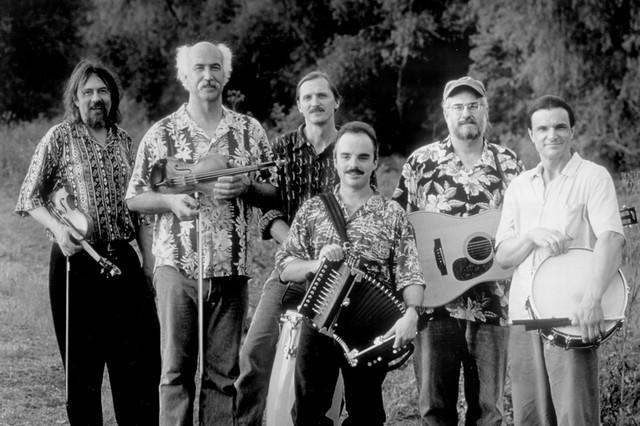
Sonnier moved to Capitol in the early '90s, but the new trend toward country music rooted in '70s rock left him behind. Although his country career never really recovered, Sonnier remained in heavy demand as a Nashville session player. Sonnier appeared on recordings by Alan Jackson and Harris and went far beyond country music with guest slots on releases by Elvis Costello and Edie Brickell & New Bohemians. He also had success as a songwriter; both Patty Loveless and George Strait recorded Sonnier's "Blue Is Not a Word," and he consistently placed songs on albums by other artists in the late '80s and early '90s. Sonnier also dabbled in acting, appearing in the films Mask, They All Laughed, and A Thing Called Love. He finally returned to pure Cajun music and to the Rounder label, where he teamed with Beausoleil's Michael Doucet on several '90s releases. A second Grammy nomination came Sonnier's way for his 1997 release Cajun Pride, and he joined fellow Louisianan Eddy Raven for the album Cookin' Cajun. Sonnier toured widely, performing at the New Orleans Jazz Festival and the Grand Ole Opry (in 1999) and visiting Europe and South America. His self-released album Cajun Blood won him a third Grammy nomination, this time for the 2001 Best Traditional Folk Album award. In 2015, Sonnier finally earned a Grammy when his release The Legacy won the award for Best Regional Roots Music Album. Jo-El Sonnier died on January 13, 2024, at the age of 77. ~ James Manheim, Rovi
Viberate is a music analytics platform built for A&Rs, artist managers, labels, booking agents, marketers, and artists.
It helps music professionals track artist growth, analyze audience data, monitor playlist activity, compare artists, follow song performance, and identify opportunities across the music market.
Public artist pages provide a free preview of selected artist data. Paid plans provide access to deeper analytics, historical data, charts, comparisons, playlist tools, exports, alerts, reports, and additional professional features.
Yes. Public Viberate artist pages provide selected artist analytics and music data for free.
Viberate also offers a 7-day free trial of the full platform. A credit card is required to start the trial. The trial includes access to the complete product so users can test deeper artist analytics, historical views, playlist insights, comparisons, charts, exports, alerts, and reporting features before choosing a paid plan.
Viberate provides artist analytics across streaming, playlists, social media, video, radio airplay, songs, and audience markets.
Users can analyze Spotify performance, Spotify and Apple Music playlists, YouTube activity, TikTok and Instagram growth, radio spins, song performance, audience locations, demographics, rankings, and overall artist momentum.
Artist profiles also connect to music charts, similar artists, and comparison tools, helping users benchmark performance and evaluate artists in context.
Viberate updates key artist and track data daily.
For followed artists and tracks, selected data is refreshed multiple times per day. This helps teams monitor playlist changes, streaming movement, audience growth, releases, and campaign performance with more current data.
Update frequency can vary depending on the metric and data source.
Yes. Viberate lets users compare up to five artists side by side across streaming, social media, audience, and engagement metrics.
Users can compare fanbase growth, audience demographics, locations, Spotify performance, social metrics, and other artist data over selected time periods.
Artist comparison can be used for A&R scouting, benchmarking, booking decisions, campaign planning, and evaluating artists with similar audiences or market positions.