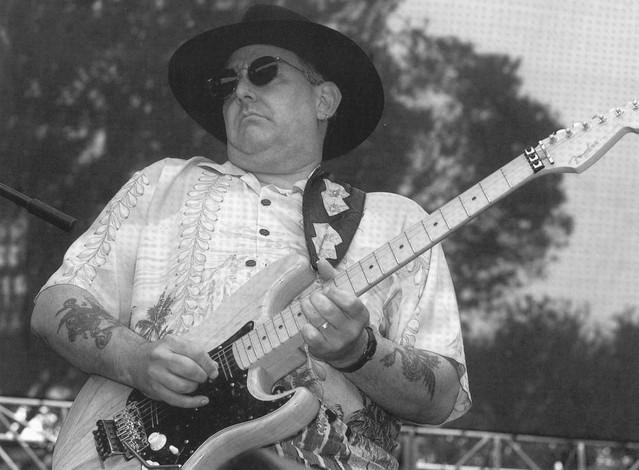
Jimmy Thackery

Blues
Blues Rock
Contemporary Blues
 Viberate Rank: 164057
 Viberate Rank: 164057
 Monthly ListenersFollowers
 Subscribers
 Followers
 Followers
 FansTop Spotify Songs
| Track | 7-Day Streams | |
|---|---|---|
1 | 5.88K | |
2 | 2.83K | |
3 | 2.66K | |
4 | 920 | |
5 | 800 |
Top YouTube VideosMonthly ListenersFeatured in Playlists| Playlist | Followers | |
|---|---|---|
1 |  Sexy Blues Jarel Kingsberry | 47.36K |
2 |  Blues Instrumental Joar Fosså | 45.46K |
3 |  Blues Ballads/ Slow Blues Joar Fosså | 39.54K |
4 |  Slow Blues & Blues Rock | Don's Tunes Don's Tunes | 19.74K |
5 |  Slow Guitar Blues Hakon Stefansson | 11.43K |
Audience| City | Monthly Listeners | |
|---|---|---|
1 |  | 220 |
2 |  | 218 |
3 | | 209 |
4 | | 179 |
5 | | 178 |
See full performance history, audience data, playlist activity, rankings, comparisons, and more in Viberate music analytics. Start with a free trial, then continue with a paid plan.
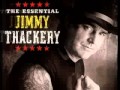
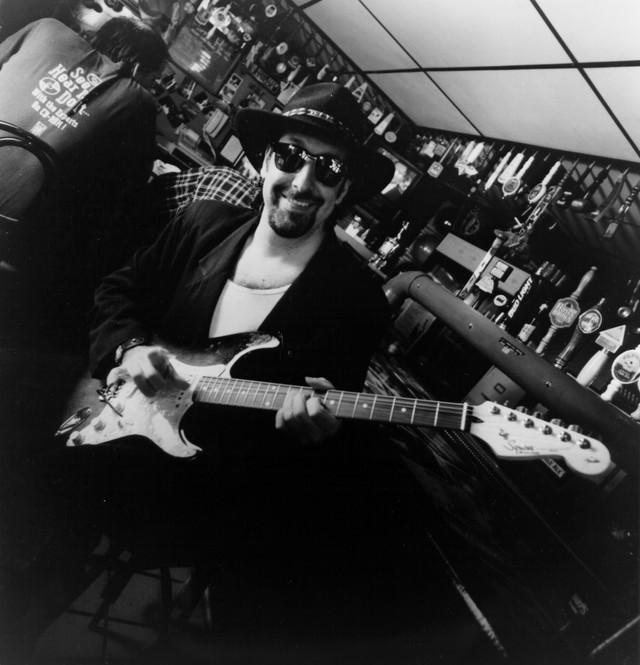
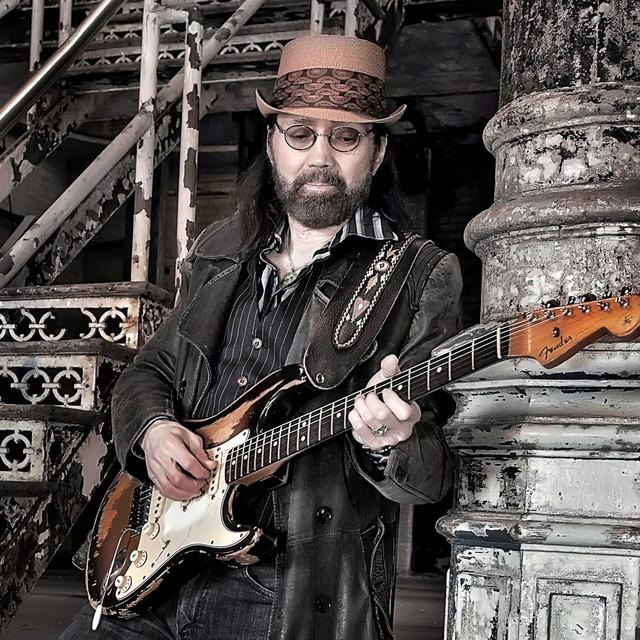
Jimmy Thackery’s Spotify BioSinger, songwriter, and guitar virtuoso Jimmy Thackery carved an enviable niche for himself in the world of electric blues. Known for his gritty, blue-collar approach and marathon live shows, Thackery was for many years part of the Nighthawks, one of the hardest-working blues bar bands in North America. By the late '80s, he was touring and recording under his own name, and finding widespread acceptance on the festival circuit. His hard-edged, tough-as-nails approach to guitar playing and his trio's driving rhythm section holds appeal for fans of both the straight-ahead blues of Muddy Waters and the roots rock of Bruce Springsteen and Joe Grushecky. Like the Nighthawks and Grushecky's Houserockers, much of the material Thackery performs can safely be called blues or blues-rock. Hardcore blues like "It's My Own Fault" and popular blues-rock chestnuts like "Red House" from Jimi Hendrix are fair game for Thackery & His Drivers, which included Michael Patrick on bass and Mark Stutso on… drums and vocals.
Born in Pittsburgh, Thackery was raised in Washington, D.C. In high school, he played in a band with Bonnie Raitt's brother, David, who exposed him to the music of Buddy Guy; Thackery saw both Guy and Jimi Hendrix perform in Washington, D.C. Thackery joined the Nighthawks in 1974, after being introduced to harmonica man Mark Wenner by fellow guitarist Bobby Radcliff, who was then based in D.C. Thackery recorded more than 20 albums with the Nighthawks and toured the U.S., Canada, Europe, and Japan. He left the band in 1987 and struck out on his own, needing a break from the Nighthawks' 300-nights-a-year tour schedule.
He formed a new band, Jimmy Thackery & the Assassins, and toured the East Coast heavily with that band until they split up in 1991. Thackery then formed a trio, Jimmy Thackery & the Drivers, quickly forging a name for himself on the blues festival and club circuit through a prolific recording pace and a lot of roadwork. His albums for the San Francisco-based Blind Pig label included Empty Arms Motel (1992), Sideways in Paradise (Jimmy Thackery and John Mooney, 1993), Trouble Man (1994), Wild Night Out! (1995), Drive to Survive (1996), Switching Gears (1998), and Sinner Street (2000). The latter added saxophone player Jimmy Carpenter. In 2002, Thackery signed on with the blues division of Telarc Records, releasing We Got It in 2002 followed by True Stories in 2003, Live in 2004, and Healin' Ground in 2005. Switching to Rykodisc, he released In the Natural State in 2006, followed by Solid Ice on Telarc Records in 2007. Inside Tracks appeared a year later in 2008, also from Telarc Records.
His 1998 album includes guest performances by Joe Louis Walker, Lonnie Brooks, Chubby Carrier, and Francine Reed, but any of Thackery's albums will delight fans of tough, heavy, driving guitar playing. For a taste of his thorough mastery of several styles, Drive to Survive touches on rockabilly, jazz, bebop, and surf music. Most of Thackery's albums include at least a few covers mixed in with his batch of self-penned songs. ~ Richard Skelly, Rovi
Viberate is a music analytics platform built for A&Rs, artist managers, labels, booking agents, marketers, and artists.
It helps music professionals track artist growth, analyze audience data, monitor playlist activity, compare artists, follow song performance, and identify opportunities across the music market.
Public artist pages provide a free preview of selected artist data. Paid plans provide access to deeper analytics, historical data, charts, comparisons, playlist tools, exports, alerts, reports, and additional professional features.
Yes. Public Viberate artist pages provide selected artist analytics and music data for free.
Viberate also offers a 7-day free trial of the full platform. A credit card is required to start the trial. The trial includes access to the complete product so users can test deeper artist analytics, historical views, playlist insights, comparisons, charts, exports, alerts, and reporting features before choosing a paid plan.
Viberate provides artist analytics across streaming, playlists, social media, video, radio airplay, songs, and audience markets.
Users can analyze Spotify performance, Spotify and Apple Music playlists, YouTube activity, TikTok and Instagram growth, radio spins, song performance, audience locations, demographics, rankings, and overall artist momentum.
Artist profiles also connect to music charts, similar artists, and comparison tools, helping users benchmark performance and evaluate artists in context.
Viberate updates key artist and track data daily.
For followed artists and tracks, selected data is refreshed multiple times per day. This helps teams monitor playlist changes, streaming movement, audience growth, releases, and campaign performance with more current data.
Update frequency can vary depending on the metric and data source.
Yes. Viberate lets users compare up to five artists side by side across streaming, social media, audience, and engagement metrics.
Users can compare fanbase growth, audience demographics, locations, Spotify performance, social metrics, and other artist data over selected time periods.
Artist comparison can be used for A&R scouting, benchmarking, booking decisions, campaign planning, and evaluating artists with similar audiences or market positions.