Jimi Jamison

Rock
Pop Rock
Hard Rock
 Viberate Rank: 107851
 Viberate Rank: 107851
 Monthly ListenersFollowers
 Subscribers
 Followers
 Followers
 FansTop Spotify Songs
| Track | 7-Day Streams | |
|---|---|---|
1 | 58.86K | |
2 | 2.27K | |
3 | 1.44K | |
4 | 1.12K | |
5 | 1.10K |
Top YouTube VideosMonthly ListenersFeatured in Playlists| Playlist | Followers | |
|---|---|---|
1 | BEST CLASSIC ROCK 🤘 Greatest Hits of All Time (Rock & Soft Rock Music) ARIAN (not on IG!) | 98.11K |
2 |  Baywatch (2027) Soundtrack Soundtracker UK | 67.53K |
3 |  80's Music Hits Denis Solera Mata | 60.19K |
4 |  80s Training/Sports Music Mike Widmer | 46.96K |
5 |  Rock Ballads Saygın Sarıoğlu | 35.31K |
Audience| City | Monthly Listeners | |
|---|---|---|
1 |  | 3.43K |
2 |  | 2.61K |
3 |  | 2.21K |
4 |  | 1.97K |
5 | | 1.89K |
See full performance history, audience data, playlist activity, rankings, comparisons, and more in Viberate music analytics. Start with a free trial, then continue with a paid plan.
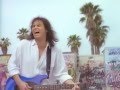
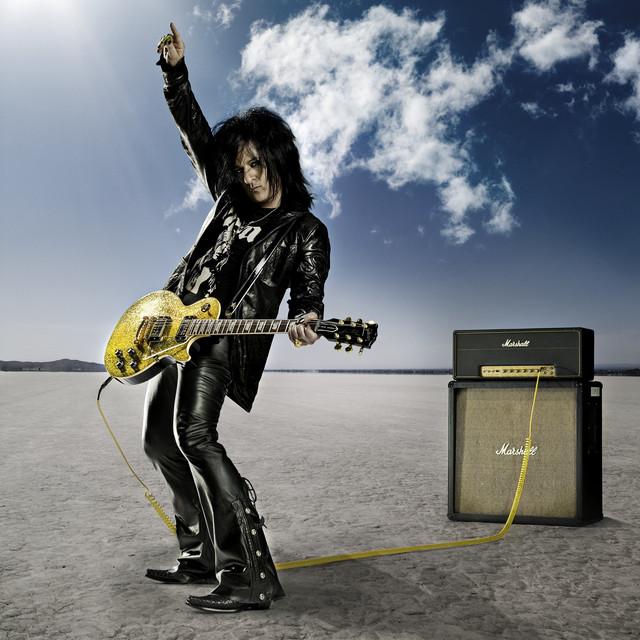
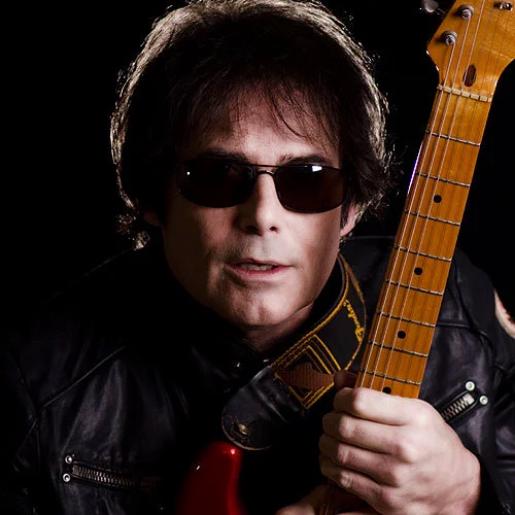
Jimi Jamison’s Spotify BioVocalist Jimi Jamison was long associated with a number of bands, best known among them Survivor and Cobra. The Mississippi native started out during the '70s with Target. Jamison and the group put out a pair of albums for A&M and opened for Black Sabbath, Boston, and Kiss. He followed up with a stint in Cobra early the following the decade, putting together one recording for Epic Records. By 1984, the singer became a member of Survivor after auditioning in Chicago. The band had already chalked up a hit, "Eye of the Tiger," before he came on board. Jamison's tenure took the band through five Top Ten hits, appearances on numerous film soundtracks, and a handful of recordings that achieved gold and platinum status. His first appearance was on the Vital Signs album, and he took the band into the Top 20 with the singles "Can't Hold Back," "Search Is Over," and "High on You." "Burning Heart," the theme for the next Rocky sequel in 1985, hit pop's number two spot. Another Top Ten slot… followed with "Is This Love," but Survivor soon broke up and Jamison was on his own in 1987.
He soon established his own band, and released several solo albums. The first was When Love Comes Down in 1991; it was followed in 1999 by Empires. Fans of the television program Baywatch will recognize his voice from a song he penned for the show's theme, "I'm Always Here." Jamison's track record also included appearances on a number of television programs and half-a-dozen music videos. In addition to his solo recordings and his work with the bands above, he also contributed backup vocals to such artists as the Jeff Healey Band, Krokus, and ZZ Top. He was a founding member of the organization Voices of Classic Rock, and Jamison's charity efforts included work on behalf of Tony La Russa's ARF (Animal Rescue Foundation), the Make-A-Wish Foundation, the Special Olympics, and St. Jude's Children's Hospital.
In 2000, Jamison again teamed with other members of Survivor for a reunion. A tour with the bands Styx and REO Speedwagon followed. The reunion also took the band to Germany for a monthlong series of concerts. His own backing band during the years away from Survivor included Lance Binder, Pete Mendillo, Klay Shroedel, Paul Brown, Hal Butler, Jeff Adams, and Chris Adamson. Jamison released a solo album, Crossroads Moment, in 2008. Two years later, he teamed up with Jim Peterik -- the songwriter behind many Survivor smashes -- for the album Extra Moments. Jimi Jamison died suddenly in September 2014 from a heart attack. ~ Linda Seida, Rovi
Viberate is a music analytics platform built for A&Rs, artist managers, labels, booking agents, marketers, and artists.
It helps music professionals track artist growth, analyze audience data, monitor playlist activity, compare artists, follow song performance, and identify opportunities across the music market.
Public artist pages provide a free preview of selected artist data. Paid plans provide access to deeper analytics, historical data, charts, comparisons, playlist tools, exports, alerts, reports, and additional professional features.
Yes. Public Viberate artist pages provide selected artist analytics and music data for free.
Viberate also offers a 7-day free trial of the full platform. A credit card is required to start the trial. The trial includes access to the complete product so users can test deeper artist analytics, historical views, playlist insights, comparisons, charts, exports, alerts, and reporting features before choosing a paid plan.
Viberate provides artist analytics across streaming, playlists, social media, video, radio airplay, songs, and audience markets.
Users can analyze Spotify performance, Spotify and Apple Music playlists, YouTube activity, TikTok and Instagram growth, radio spins, song performance, audience locations, demographics, rankings, and overall artist momentum.
Artist profiles also connect to music charts, similar artists, and comparison tools, helping users benchmark performance and evaluate artists in context.
Viberate updates key artist and track data daily.
For followed artists and tracks, selected data is refreshed multiple times per day. This helps teams monitor playlist changes, streaming movement, audience growth, releases, and campaign performance with more current data.
Update frequency can vary depending on the metric and data source.
Yes. Viberate lets users compare up to five artists side by side across streaming, social media, audience, and engagement metrics.
Users can compare fanbase growth, audience demographics, locations, Spotify performance, social metrics, and other artist data over selected time periods.
Artist comparison can be used for A&R scouting, benchmarking, booking decisions, campaign planning, and evaluating artists with similar audiences or market positions.