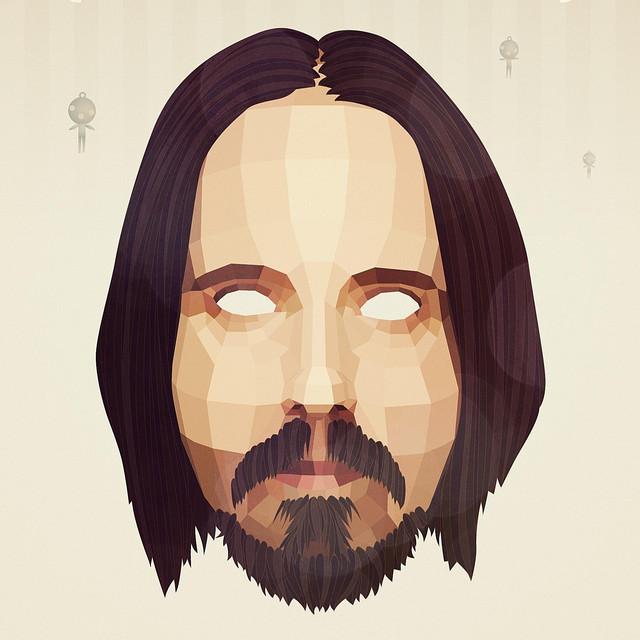
Jim Guthrie

Rock
Indie Rock
Orchestral
 Viberate Rank: 130119
 Viberate Rank: 130119
 Monthly ListenersFollowers
 Subscribers
 Followers
 Followers
 FansTop Spotify Songs
| Track | 7-Day Streams | |
|---|---|---|
1 | 8.46K | |
2 | 6.34K | |
3 | 3.96K | |
4 | 2.92K | |
5 | 2.75K |
Top YouTube Videos| Video | 7-Day Views | |
|---|---|---|
1 | 206 | |
2 | 141 | |
3 | 139 | |
4 | 128 | |
5 | 102 |
Monthly ListenersFeatured in Playlists| Playlist | Followers | |
|---|---|---|
1 |  Best of Movie, TV & Game Soundtracks by GuiguiF Guillaume Flahaut | 53.67K |
2 |  Best of Video Game Music Zack | 31.43K |
3 |  NPR All Songs Considered - The Bob Boilen years (unofficial) Fri Tsch | 30.02K |
4 |  Ultimate Chilled* Assia Grazioli Venier | 21.19K |
5 |  Beatstar Official Playlist Beatstar | 19.68K |
Audience| City | Monthly Listeners | |
|---|---|---|
1 |  | 950 |
2 | | 694 |
3 |  | 671 |
4 |  | 646 |
5 | | 615 |
See full performance history, audience data, playlist activity, rankings, comparisons, and more in Viberate music analytics. Start with a free trial, then continue with a paid plan.
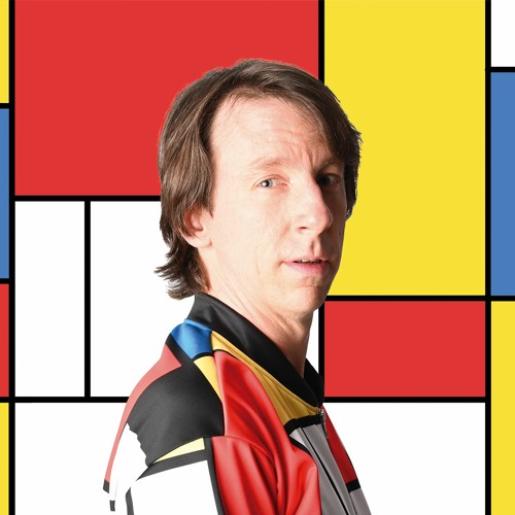
Jim Guthrie’s Spotify BioJim Guthrie has enjoyed two parallel careers, first as a singer and songwriter in the indie rock community, and later as a composer of scores for video games and movies. Guthrie was born in 1973 in Guelph, Ontario, Canada. In his teens, he developed an interest in music, and in addition to playing in bands with his friends, he got a four-track recording rig and began making his own amateur recordings. In 1995, Guthrie released his first album, the cassette-only Home Is Where the Rock Is. In the next three years, Guthrie released three more cassettes (Victim of Lo-Fi, Documenting Perks, Pt. 1, and Some Things You Should Know About Sound and Hearing). In 1999, material from the four tapes was compiled into an album titled A Thousand Songs, which became the debut release for the influential Canadian indie label Three Gut Records. 1999 also saw Guthrie form the band the Royal City All Stars with friend and fellow Guelph musician Aaron Riches. By the time they released their debut album in… 2000, At Rush Hour the Cars, their name had been shortened to Royal City, and they would collaborate with pre-fame Leslie Feist and Sufjan Stevens and release two more albums before the group split up in 2004. (Stevens would release a compilation of Royal City material on his Asthmatic Kitty label in 2009.) Guthrie continued to record and release solo material during his tenure with Royal City, and in 2003 he released the album Now More Than Ever. It was a major critical success, earning a Juno Award nomination and certifying his status as one of the most acclaimed artists on the Canadian indie music scene. In 2006, Guthrie participated in the recording of Return to the Sea, the debut album by Islands, a group formed by Nicholas Thorburn and Jamie Thompson of the Unicorns. Guthrie's time in the band was short-lived, but later Guthrie and Thorburn collaborated in the Neil Young-influenced project Human Highway, releasing the album Moody Motorcycle in 2008. By this time, Guthrie had started taking on projects as a composer for hire, beginning with scores for the documentaries Life Is a Fairy Tale (2006) and The Bodybuilder and I (2007). He soon branched out into commercials and television projects, and enjoyed a major career breakthrough with his music for the 2011 video game Superbrothers: Sword and Sworcery. The Sword and Sworcery score would later see release on CD and vinyl, and helped earn him a commission to write music for the documentary Indie Game: The Movie. In 2013, Guthrie released his first proper solo album since Now More Than Ever, Takes Time, another critical success which earned him a Polaris Prize nomination. In 2014, Guthrie released another collaborative project, One of These Days I'll Get It Right, an album of experimental hip-hop-influenced tracks recorded with Solid Mas. The following year, author Andrew Hood published Jim Guthrie: Who Needs What, a biography of the musician. 2017 saw the release of Planet Coaster, the soundtrack to a video game Guthrie scored in collaboration with J.J. Ipsen. ~ Mark Deming, Rovi
Viberate is a music analytics platform built for A&Rs, artist managers, labels, booking agents, marketers, and artists.
It helps music professionals track artist growth, analyze audience data, monitor playlist activity, compare artists, follow song performance, and identify opportunities across the music market.
Public artist pages provide a free preview of selected artist data. Paid plans provide access to deeper analytics, historical data, charts, comparisons, playlist tools, exports, alerts, reports, and additional professional features.
Yes. Public Viberate artist pages provide selected artist analytics and music data for free.
Viberate also offers a 7-day free trial of the full platform. A credit card is required to start the trial. The trial includes access to the complete product so users can test deeper artist analytics, historical views, playlist insights, comparisons, charts, exports, alerts, and reporting features before choosing a paid plan.
Viberate provides artist analytics across streaming, playlists, social media, video, radio airplay, songs, and audience markets.
Users can analyze Spotify performance, Spotify and Apple Music playlists, YouTube activity, TikTok and Instagram growth, radio spins, song performance, audience locations, demographics, rankings, and overall artist momentum.
Artist profiles also connect to music charts, similar artists, and comparison tools, helping users benchmark performance and evaluate artists in context.
Viberate updates key artist and track data daily.
For followed artists and tracks, selected data is refreshed multiple times per day. This helps teams monitor playlist changes, streaming movement, audience growth, releases, and campaign performance with more current data.
Update frequency can vary depending on the metric and data source.
Yes. Viberate lets users compare up to five artists side by side across streaming, social media, audience, and engagement metrics.
Users can compare fanbase growth, audience demographics, locations, Spotify performance, social metrics, and other artist data over selected time periods.
Artist comparison can be used for A&R scouting, benchmarking, booking decisions, campaign planning, and evaluating artists with similar audiences or market positions.