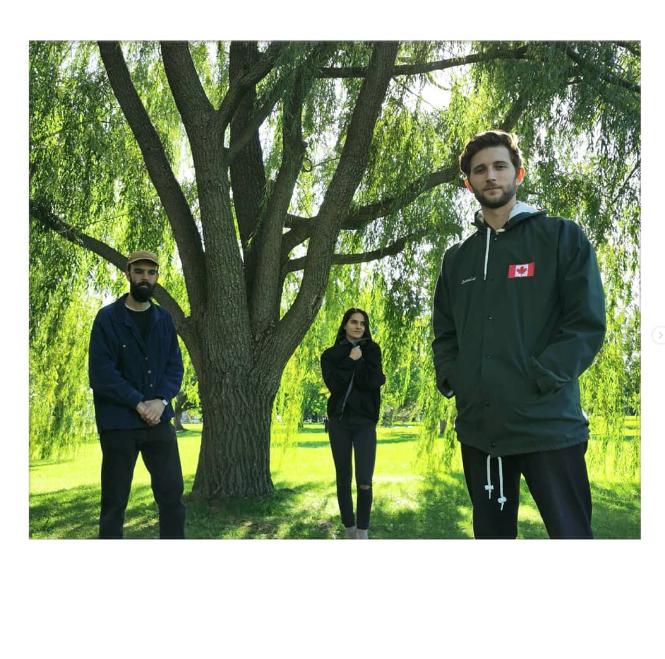
Jillian Katzenback

Pop
Indie Pop
 Viberate Rank: 778946
 Viberate Rank: 778946
 Monthly ListenersFollowers
 Subscribers
 Followers
 Followers
 FansTop Spotify Songs
| Track | 7-Day Streams | |
|---|---|---|
1 | 14 | |
2 | 5 | |
3 | 3 |
Top YouTube VideosMonthly ListenersFeatured in Playlists| Playlist | Followers | |
|---|---|---|
1 |  sleep for a quiet night Topsify Canada | 1.01K |
Audience| City | Monthly Listeners | |
|---|---|---|
1 | | 3 |
2 | | 3 |
See full performance history, audience data, playlist activity, rankings, comparisons, and more in Viberate music analytics. Start with a free trial, then continue with a paid plan.
Jillian Katzenback’s Spotify BioJillian Katzenback is an upcoming alternative pop singer/songwriter from Sault Ste. Marie, Canada. She had started her career in music in Austin, Texas with her first single 'Miscommunication' released on March 11th, 2017 under her belt. Jillian has worked side-by-side with Taylor Muse, from the famous Austin band Quiet Company, to produce the single 'Miscommunication' back in 2016. Since then, she spent the next 3 years writing music for her up-coming projects.
During her sophomore year in high school, Jillian moved to Austin, Texas from her hometown in Canada, and attended the Austin School for The Visual and Performing Arts (ASPVA). ASPVA is where she was introduced into the world of songwriting while being given the opportunity to perform at multiple events, and open mic nights around the Austin area. In Canada, Jillian has created a fan base within her hometown and has played in festivals, restaurants, bars, and city events around the area, Jillian spent 8-months in Austin, Texas… to record 7 new songs with Charlie Magnone, she released her first EP "Every Time, Everyday" July 20th, 2019 while performing at Sault Ste. Marie's ROTARYFEST the same day. Her second EP "All I Know" released in April of 2020. Jillian is now a graduate of the Music Industry Arts program, at Algonquin College and currently lives in Toronto, Canada with her next single "Does She Know" releasing August 29th, 2025.
Viberate is a music analytics platform built for A&Rs, artist managers, labels, booking agents, marketers, and artists.
It helps music professionals track artist growth, analyze audience data, monitor playlist activity, compare artists, follow song performance, and identify opportunities across the music market.
Public artist pages provide a free preview of selected artist data. Paid plans provide access to deeper analytics, historical data, charts, comparisons, playlist tools, exports, alerts, reports, and additional professional features.
Yes. Public Viberate artist pages provide selected artist analytics and music data for free.
Viberate also offers a 7-day free trial of the full platform. A credit card is required to start the trial. The trial includes access to the complete product so users can test deeper artist analytics, historical views, playlist insights, comparisons, charts, exports, alerts, and reporting features before choosing a paid plan.
Viberate provides artist analytics across streaming, playlists, social media, video, radio airplay, songs, and audience markets.
Users can analyze Spotify performance, Spotify and Apple Music playlists, YouTube activity, TikTok and Instagram growth, radio spins, song performance, audience locations, demographics, rankings, and overall artist momentum.
Artist profiles also connect to music charts, similar artists, and comparison tools, helping users benchmark performance and evaluate artists in context.
Viberate updates key artist and track data daily.
For followed artists and tracks, selected data is refreshed multiple times per day. This helps teams monitor playlist changes, streaming movement, audience growth, releases, and campaign performance with more current data.
Update frequency can vary depending on the metric and data source.
Yes. Viberate lets users compare up to five artists side by side across streaming, social media, audience, and engagement metrics.
Users can compare fanbase growth, audience demographics, locations, Spotify performance, social metrics, and other artist data over selected time periods.
Artist comparison can be used for A&R scouting, benchmarking, booking decisions, campaign planning, and evaluating artists with similar audiences or market positions.