Jihad

Electronic
Other Electronic Music
 Viberate Rank: 616398
 Viberate Rank: 616398
 Monthly ListenersFollowers
 Subscribers
 Followers
 Followers
 FansTop Spotify Songs
| Track | 7-Day Streams | |
|---|---|---|
1 | 23 | |
2 | 11 | |
3 | 11 | |
4 | 10 | |
5 | 8 |
Top YouTube VideosMonthly ListenersFeatured in Playlists| Playlist | Followers | |
|---|---|---|
1 |  Industrial | EBM | Darkwave | Dark Electro | Aggrotech | Industrial Techno by DARKLARK darklark | 22.25K |
2 |  Lockdown Sessions: Darkwave, Post Punk, Synth and EBM | 2020 RELEASES ZAUBER | 1.04K |
Audience| City | Monthly Listeners | |
|---|---|---|
1 |  | 7 |
2 | | 6 |
3 | | 5 |
4 |  | 4 |
5 | | 3 |
See full performance history, audience data, playlist activity, rankings, comparisons, and more in Viberate music analytics. Start with a free trial, then continue with a paid plan.
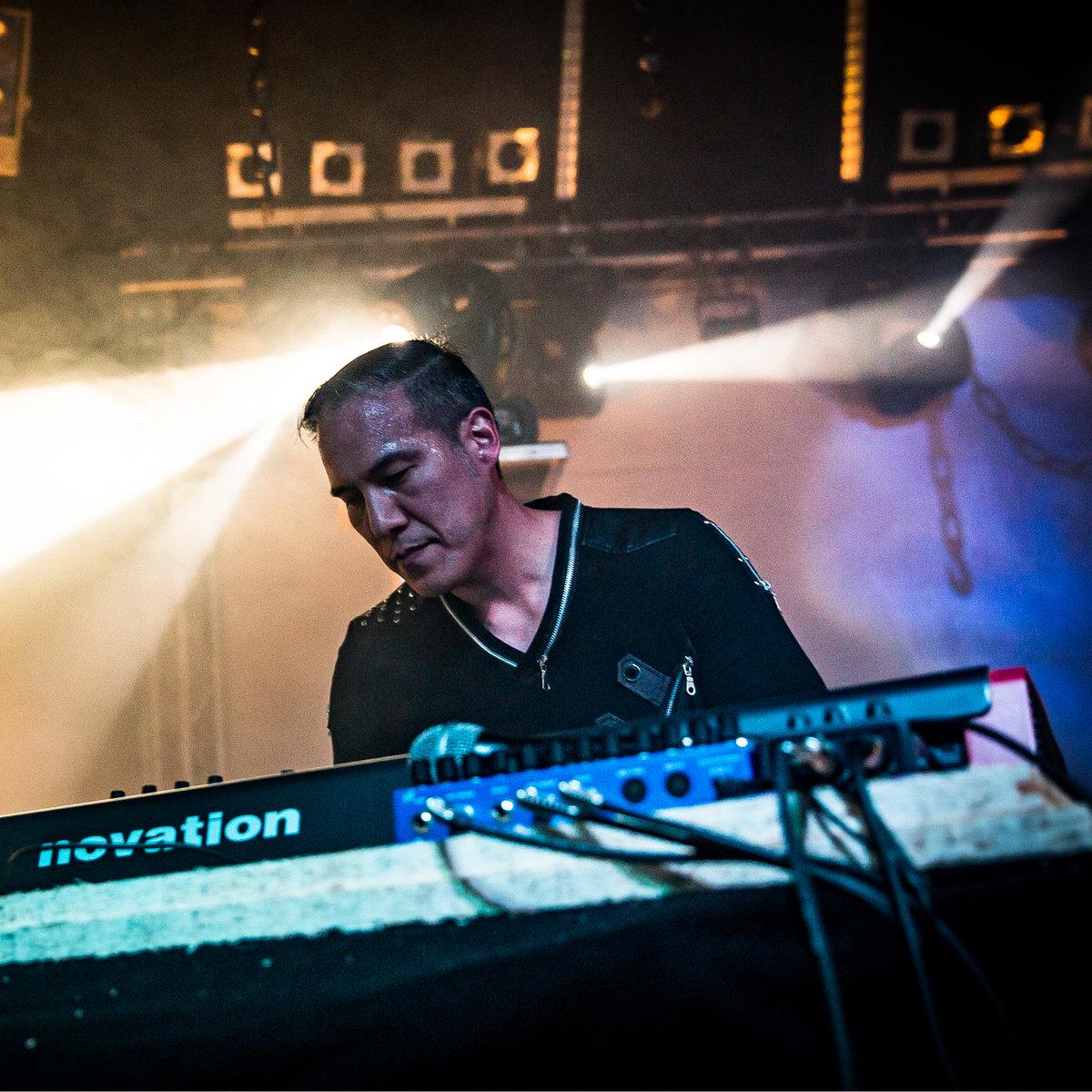
Jihad’s Spotify BioThe inception of Jihad began in 1988 by James Mendez, which is around the time Benestrophe was known locally in San Antonio, Texas, for their unique sound and eccentric performances. Through various experiences and exposure to Benestrophe, the inspiration behind Jihad was conceived. Their style of music is comparable to Benestrophe in some ways, in that the compositions are comprised of a traditional verse-chorus structure. In addition, their music introduces various elements containing both electronic and sampled instruments with an overlay of dark / heavy vocals. James also collaborated in several side projects (1988 - 1993) such as Fury & Fear w/Robert B. (Fektion Fekler), Primary Target ('Chant Among Us', 'The Churchyard Studio Sessions' in the studio of Benestrophe / Mentallo & The Fixer) and Trial by Fire ('The Execution of Witches (Part 1)) with vocalist Jaime Chavez. Sometime after the disbandment of Benestrophe, Richard (ex-vocalist of Benestrophe) and James recorded a few… songs, which one of them (Hands That Hide) ended up on the notorious RAS DVA Quadruple Compilation titled 'There Is No Time' released in July 1995. In addition, they also release three exclusive songs on the RAS DVA Fanbase Compilation titled Dora Blue in 1996. As of 2020, it's been approximately twenty-three years since their debut album. Jihad released a new album titled 'Retrospekt' on 30 April 2020 and is actively working on new material. Expect more live shows and a new release coming soon.
Viberate is a music analytics platform built for A&Rs, artist managers, labels, booking agents, marketers, and artists.
It helps music professionals track artist growth, analyze audience data, monitor playlist activity, compare artists, follow song performance, and identify opportunities across the music market.
Public artist pages provide a free preview of selected artist data. Paid plans provide access to deeper analytics, historical data, charts, comparisons, playlist tools, exports, alerts, reports, and additional professional features.
Yes. Public Viberate artist pages provide selected artist analytics and music data for free.
Viberate also offers a 7-day free trial of the full platform. A credit card is required to start the trial. The trial includes access to the complete product so users can test deeper artist analytics, historical views, playlist insights, comparisons, charts, exports, alerts, and reporting features before choosing a paid plan.
Viberate provides artist analytics across streaming, playlists, social media, video, radio airplay, songs, and audience markets.
Users can analyze Spotify performance, Spotify and Apple Music playlists, YouTube activity, TikTok and Instagram growth, radio spins, song performance, audience locations, demographics, rankings, and overall artist momentum.
Artist profiles also connect to music charts, similar artists, and comparison tools, helping users benchmark performance and evaluate artists in context.
Viberate updates key artist and track data daily.
For followed artists and tracks, selected data is refreshed multiple times per day. This helps teams monitor playlist changes, streaming movement, audience growth, releases, and campaign performance with more current data.
Update frequency can vary depending on the metric and data source.
Yes. Viberate lets users compare up to five artists side by side across streaming, social media, audience, and engagement metrics.
Users can compare fanbase growth, audience demographics, locations, Spotify performance, social metrics, and other artist data over selected time periods.
Artist comparison can be used for A&R scouting, benchmarking, booking decisions, campaign planning, and evaluating artists with similar audiences or market positions.