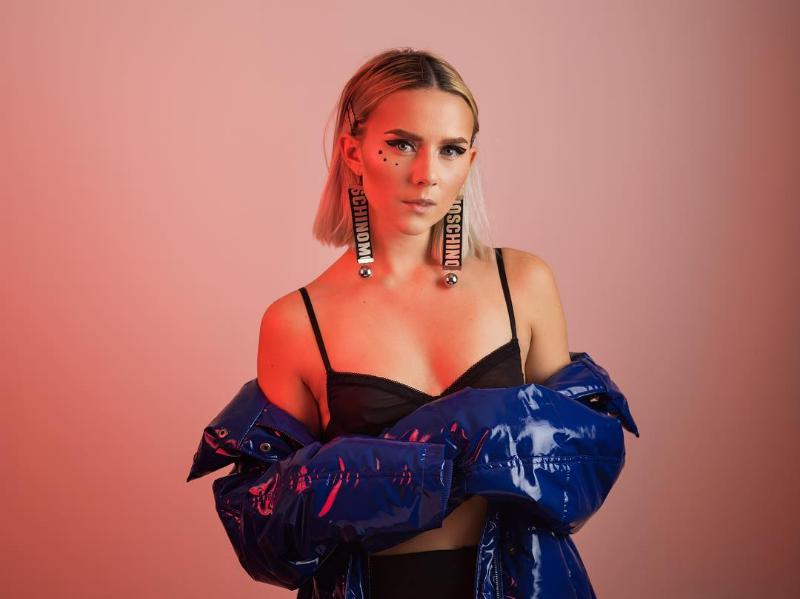
Ji Nilsson

Pop
Indie Pop
Mainstream Pop
 Viberate Rank: 209138
 Viberate Rank: 209138
 Monthly ListenersFollowers
 Subscribers
 Followers
 Followers
 FansTop Spotify Songs
| Track | 7-Day Streams | |
|---|---|---|
1 | 8.44K | |
2 | 1.17K | |
3 | 732 | |
4 | 468 | |
5 | 372 |
Top YouTube VideosMonthly ListenersFeatured in Playlists| Playlist | Followers | |
|---|---|---|
1 |  Beach Party Spotify | 1.40M |
2 |  Zara Store Playlist Nir | 31.63K |
3 | traurige Lieder barikaki | 23.24K |
4 | "Perfect" Songs of All Genres, According to Various Forums (In NO Particular Order) For The Music Aficionados | 17.87K |
5 |  Buongiorno così Mecna | 14.86K |
Audience| City | Monthly Listeners | |
|---|---|---|
1 | | 657 |
2 |  | 281 |
3 | | 251 |
4 | | 116 |
5 |  | 114 |
See full performance history, audience data, playlist activity, rankings, comparisons, and more in Viberate music analytics. Start with a free trial, then continue with a paid plan.
Ji Nilsson’s Spotify BioJi Nilsson grew up in a home filled with music and she started writing songs at a very early age.
She stepped out of her bedroom-one woman-studio in 2013 and launched her musical career as a Sony ATV-contracted songwriter/producer. She started working with artists Marlene & Beatrice Eli, saying she would put all her focus on writing for other artists and never release her own songs. One year later, she released two singles under her own name; "I'm Her" & "Heartbreakfree”, the later causing drama all over the world when listeners couldn’t help hearing a significant resemblance between Gwen Stefani’s ”Baby Don’t Lie” and Nilsson’s already released composition.
Her EP "Blue is the Saddest Color" (2015) includes her greatest success to date, the razor-sharp ballad "Nothing", which currently has over 3,8 million streams on Spotify. Her first solo album "Scandinavian Pain" came out in 2017, an image painted with different shades of blue – stories of personal break-ups, blackest grief and… lesbian love affairs. The album was praised by critics and fans all over the world.
Ji writes and produces all her songs herself. She writes about love, goodbyes, friendships and pains in a way that makes you wanna cry in your bedroom/on the dance floor or even start a party on a weekday. She is also an experienced, Billboard-featured songwriter and has worked with many artists. In recent news Ji and long-time collaborator Marlene did a remix of SIA and Kylie Minogue's hit "Dance Alone".
Viberate is a music analytics platform built for A&Rs, artist managers, labels, booking agents, marketers, and artists.
It helps music professionals track artist growth, analyze audience data, monitor playlist activity, compare artists, follow song performance, and identify opportunities across the music market.
Public artist pages provide a free preview of selected artist data. Paid plans provide access to deeper analytics, historical data, charts, comparisons, playlist tools, exports, alerts, reports, and additional professional features.
Yes. Public Viberate artist pages provide selected artist analytics and music data for free.
Viberate also offers a 7-day free trial of the full platform. A credit card is required to start the trial. The trial includes access to the complete product so users can test deeper artist analytics, historical views, playlist insights, comparisons, charts, exports, alerts, and reporting features before choosing a paid plan.
Viberate provides artist analytics across streaming, playlists, social media, video, radio airplay, songs, and audience markets.
Users can analyze Spotify performance, Spotify and Apple Music playlists, YouTube activity, TikTok and Instagram growth, radio spins, song performance, audience locations, demographics, rankings, and overall artist momentum.
Artist profiles also connect to music charts, similar artists, and comparison tools, helping users benchmark performance and evaluate artists in context.
Viberate updates key artist and track data daily.
For followed artists and tracks, selected data is refreshed multiple times per day. This helps teams monitor playlist changes, streaming movement, audience growth, releases, and campaign performance with more current data.
Update frequency can vary depending on the metric and data source.
Yes. Viberate lets users compare up to five artists side by side across streaming, social media, audience, and engagement metrics.
Users can compare fanbase growth, audience demographics, locations, Spotify performance, social metrics, and other artist data over selected time periods.
Artist comparison can be used for A&R scouting, benchmarking, booking decisions, campaign planning, and evaluating artists with similar audiences or market positions.