Jhon Timbala

Electronic
Techno
Tech House
 Viberate Rank: 383955
 Viberate Rank: 383955
 Monthly ListenersFollowers
 Subscribers
 Followers
 Followers
 FansTop Spotify Songs
| Track | 7-Day Streams | |
|---|---|---|
1 | 44 | |
2 | 30 | |
3 | 23 | |
4 | 13 | |
5 | 13 |
Top YouTube Videos| Video | 7-Day Views | |
|---|---|---|
1 | 140 | |
2 | 31 | |
3 | 20 | |
4 | 9 | |
5 | 9 |
Monthly ListenersFeatured in Playlists| Playlist | Followers | |
|---|---|---|
1 |  Best Party Songs Call Me M | 2.21K |
2 |  Marco Carola Track ID’s AR 🏄🏻♂️ | 1.16K |
3 |  SUMMER ☀️ HOUSE 2026 Stereo Productions | 1.12K |
4 |  Tech House / Minimal Deep Tech Wrong Department | 1.06K |
Audience| City | Monthly Listeners | |
|---|---|---|
1 |  | 36 |
2 | | 18 |
3 | | 12 |
4 | | 7 |
5 |  | 5 |
See full performance history, audience data, playlist activity, rankings, comparisons, and more in Viberate music analytics. Start with a free trial, then continue with a paid plan.
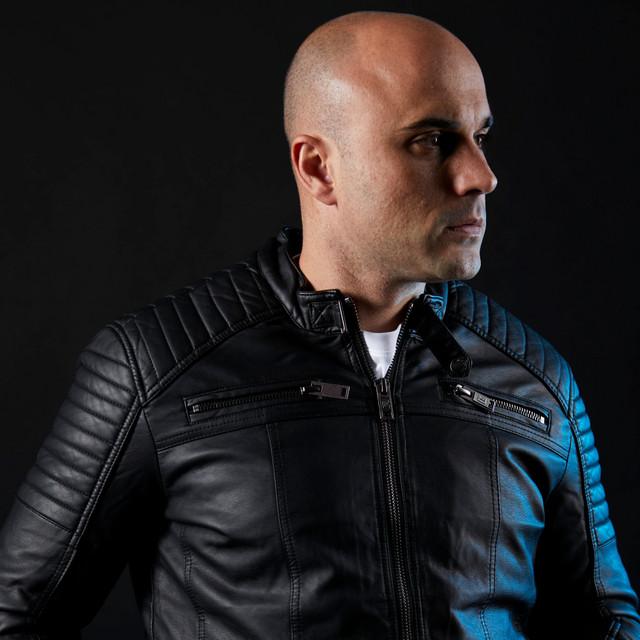
Jhon Timbala’s Spotify BioJhon Timbala was born in Palmira, Valle, Colombia. From a young age, he was influenced by electronic music, particularly trance, which he began listening to in 2004. In early 2007, he started his career as a DJ and producer, inspired by genres like electro tribal, electro house, and minimal. By 2009, Jhon had refined his style, aligning his sets with tech house, characterized by vocal-driven tracks, dense basslines, and groovy percussion. That same year, he launched his first record label, Sound Tool Records. His technique and charisma led to his first international gig in 2015. During his tours across Colombia, Ecuador, and Peru, Jhon consistently captivated audiences with infectious rhythms in his sets, sharing stages with renowned artists such as Marco Carola, Joseph Capriati, Paco Osuna, Dennis Cruz, Dubfire, Nic Fanciulli, Andrea Oliva and many more. In 2024, Jhon signed his first EP with the legendary record label Stereo Productions. His tracks gained international acclaim,… conquering Ibiza and over 15 countries worldwide. His music received frequent support from top-tier artists such as Marco Carola, Hot Since 82, Dennis Cruz, DJ Chus, Technasia, and any more, and it resonated in iconic clubs like Amnesia, DC-10, Pacha, Destino Pacha, and many others. Jhon Timbala has achieved significant milestones on electronic music platforms such as Beatport, frequently appearing on main banners and entering the Top 100 for House and Tech House tracks.
Viberate is a music analytics platform built for A&Rs, artist managers, labels, booking agents, marketers, and artists.
It helps music professionals track artist growth, analyze audience data, monitor playlist activity, compare artists, follow song performance, and identify opportunities across the music market.
Public artist pages provide a free preview of selected artist data. Paid plans provide access to deeper analytics, historical data, charts, comparisons, playlist tools, exports, alerts, reports, and additional professional features.
Yes. Public Viberate artist pages provide selected artist analytics and music data for free.
Viberate also offers a 7-day free trial of the full platform. A credit card is required to start the trial. The trial includes access to the complete product so users can test deeper artist analytics, historical views, playlist insights, comparisons, charts, exports, alerts, and reporting features before choosing a paid plan.
Viberate provides artist analytics across streaming, playlists, social media, video, radio airplay, songs, and audience markets.
Users can analyze Spotify performance, Spotify and Apple Music playlists, YouTube activity, TikTok and Instagram growth, radio spins, song performance, audience locations, demographics, rankings, and overall artist momentum.
Artist profiles also connect to music charts, similar artists, and comparison tools, helping users benchmark performance and evaluate artists in context.
Viberate updates key artist and track data daily.
For followed artists and tracks, selected data is refreshed multiple times per day. This helps teams monitor playlist changes, streaming movement, audience growth, releases, and campaign performance with more current data.
Update frequency can vary depending on the metric and data source.
Yes. Viberate lets users compare up to five artists side by side across streaming, social media, audience, and engagement metrics.
Users can compare fanbase growth, audience demographics, locations, Spotify performance, social metrics, and other artist data over selected time periods.
Artist comparison can be used for A&R scouting, benchmarking, booking decisions, campaign planning, and evaluating artists with similar audiences or market positions.