Jessie Baylin

Pop
Folk Pop
Americana/Alt Country
 Viberate Rank: 148416
 Viberate Rank: 148416
 Monthly ListenersFollowers
 Subscribers
 Followers
 Followers
 FansTop Spotify Songs
| Track | 7-Day Streams | |
|---|---|---|
1 | 49.89K | |
2 | 1.38K | |
3 | 439 | |
4 | 430 | |
5 | 335 |
Top YouTube VideosMonthly ListenersFeatured in Playlists| Playlist | Followers | |
|---|---|---|
1 |  Calm Kids Spotify | 426.65K |
2 |  Vintage Vibes Spotify | 316.09K |
3 |  Folksy Christmas Spotify | 137.93K |
4 |  Vintage & Retro | Soul • Blues • Rock • Classic Vibes • Throwback Pop • Modern Oldies Retro Tones | 86.98K |
5 | -•STARBUCKS•- coffee playlist 1131564493 | 26.48K |
Audience| City | Monthly Listeners | |
|---|---|---|
1 |  | 2.89K |
2 | | 2.48K |
3 |  | 2.03K |
4 | | 1.71K |
5 | | 1.13K |
See full performance history, audience data, playlist activity, rankings, comparisons, and more in Viberate music analytics. Start with a free trial, then continue with a paid plan.
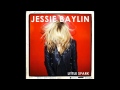
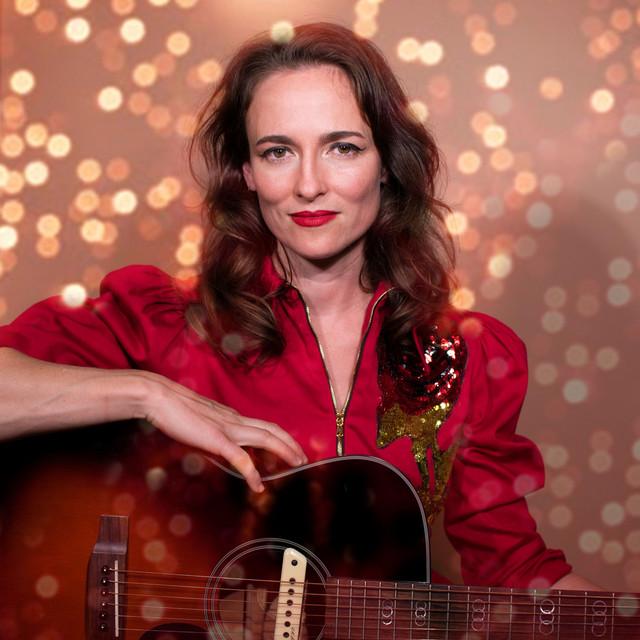
Jessie Baylin’s Spotify BioJessie Baylin emerged at the end of the 2000s with a warm, rootsy sound that encompassed folk, pop, country, and jazz while recalling classic '70s singer/songwriters. Over the subsequent albums, many of them recorded with indie producer Richard Swift, her music became more sonically adventurous like 2012's torchy Little Spark and 2015's psychedelically-touched Dark Place. Following the 2018 children's album, Strawberrry Wind, and the death of collaborator Swift, Baylin remained relatively quiet until the 2022 release of her fifth album, Jersey Girl.
Growing up in Gillette, New Jersey, Baylin developed her performing skill early, singing in her parents' bar and restaurant, the Fire Sight Inn. Reared on icons like Nina Simone, Joni Mitchell, Ella Fitzgerald, and Stevie Nicks, Baylin didn't compose her own songs until several years later, when she relocated to Los Angeles after graduating from high school. After honing her songwriting skills in private, she eventually emerged with a batch… of demos that blended her jazz, country, and pop/rock influences. Along with her demos, recurring gigs at L.A. clubs like the Mint and the Hotel Café helped her secure a deal with the Verve Forecast label which released her debut album, Firesight, in 2008. Recorded with Norah Jones collaborator Jesse Harris and producer Robert Moutenot, Firesight effectively introduced Baylin as an emerging artist with quality songs, a rootsy delivery, and well-crafted production. Around this time she also became engaged to Kings of Leon drummer Nathan Followill, and settled in Nashville. The two married a year later.
Baylin left Verve and recorded her next album with producer Kevin Augunas while she was pregnant. Little Spark was released in 2012 on her Blonde Rat label and featured arrangements from future collaborator Richard Swift. The single "Hurry Hurry" was also featured on an episode of the CW television network series Ringer. After giving birth to a daughter and taking a long break, Baylin returned to the studio with co-writer and producer Richard Swift. By this point her music had begun to transform into a mix of bluesy rock with psychdedlic undertones and she hired Swift to helm her next project. 2015's Dark Place doubled down on her new direction with a moody, atmospheric tone and a vintage-inspired sound. Baylin deepened her collaboration with Swift on 2018's Strawberry Wind, a pseudo-children's album that also reflected on motherhood and pregnancy. After Swift's sudden death later that year, Baylin entered something of a hiatus and struggled to find direction. With the help of a new crew of friends and collaborators including producers Daniel Tashian and Ian Fitchuk, she began writing new material, this time drawing on and embracing her New Jersey roots. The resulting album, 2022's Jersey Girl, was at once more personal and buoyant, embracing styles and sounds from throuhgout her career to create something new. ~ Andrew Leahey & Timothy Monger, Rovi
Viberate is a music analytics platform built for A&Rs, artist managers, labels, booking agents, marketers, and artists.
It helps music professionals track artist growth, analyze audience data, monitor playlist activity, compare artists, follow song performance, and identify opportunities across the music market.
Public artist pages provide a free preview of selected artist data. Paid plans provide access to deeper analytics, historical data, charts, comparisons, playlist tools, exports, alerts, reports, and additional professional features.
Yes. Public Viberate artist pages provide selected artist analytics and music data for free.
Viberate also offers a 7-day free trial of the full platform. A credit card is required to start the trial. The trial includes access to the complete product so users can test deeper artist analytics, historical views, playlist insights, comparisons, charts, exports, alerts, and reporting features before choosing a paid plan.
Viberate provides artist analytics across streaming, playlists, social media, video, radio airplay, songs, and audience markets.
Users can analyze Spotify performance, Spotify and Apple Music playlists, YouTube activity, TikTok and Instagram growth, radio spins, song performance, audience locations, demographics, rankings, and overall artist momentum.
Artist profiles also connect to music charts, similar artists, and comparison tools, helping users benchmark performance and evaluate artists in context.
Viberate updates key artist and track data daily.
For followed artists and tracks, selected data is refreshed multiple times per day. This helps teams monitor playlist changes, streaming movement, audience growth, releases, and campaign performance with more current data.
Update frequency can vary depending on the metric and data source.
Yes. Viberate lets users compare up to five artists side by side across streaming, social media, audience, and engagement metrics.
Users can compare fanbase growth, audience demographics, locations, Spotify performance, social metrics, and other artist data over selected time periods.
Artist comparison can be used for A&R scouting, benchmarking, booking decisions, campaign planning, and evaluating artists with similar audiences or market positions.