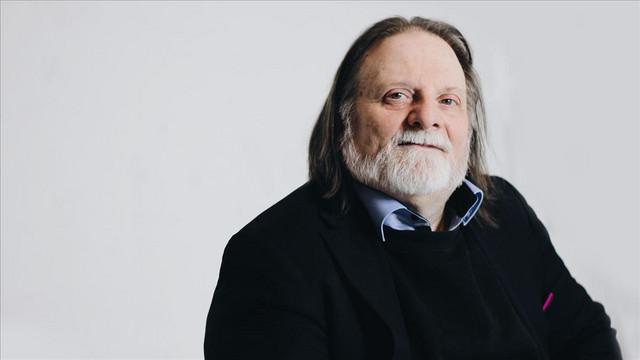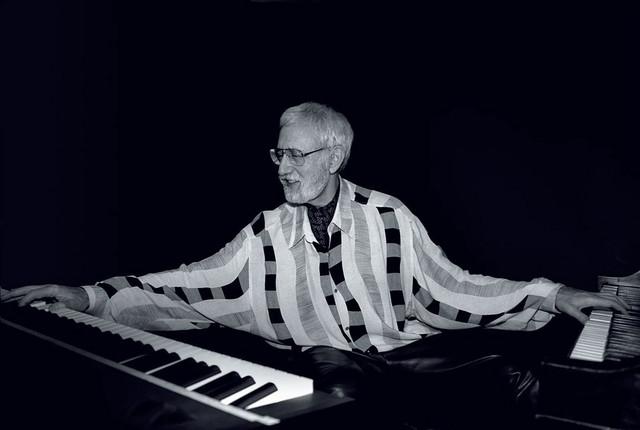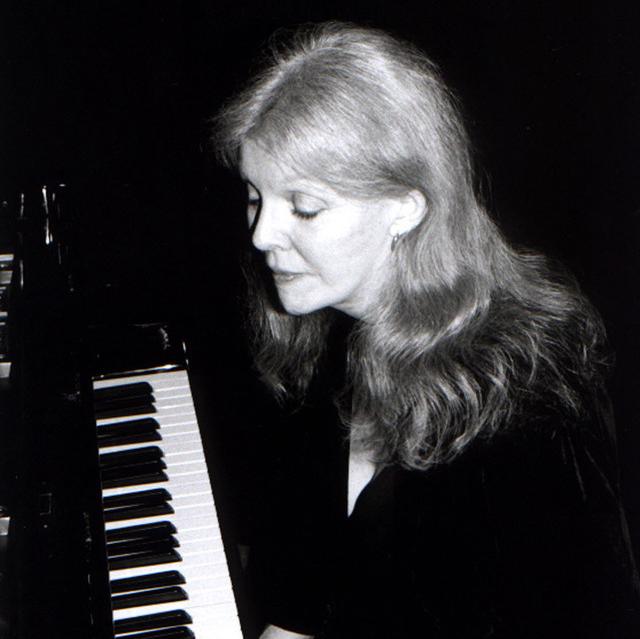
Jessica Williams

Jazz
Bebop
Smooth Jazz
 Viberate Rank: 191277
 Viberate Rank: 191277
 Monthly ListenersFollowers
 Subscribers
 Followers
 Followers
 FansTop Spotify Songs
| Track | 7-Day Streams | |
|---|---|---|
1 | 22.82K | |
2 | 11.56K | |
3 | 4.37K | |
4 | 821 | |
5 | 505 |
Top YouTube VideosMonthly ListenersFeatured in Playlists| Playlist | Followers | |
|---|---|---|
1 |  High Energy 80s. Polymarchs. Hi-NRG. Sebastián Galaviz | 113.34K |
2 |  70’ y 80’ en inglés Vianey Suaste | 43.89K |
3 |  DISCO, HIGH ENERGY, TECHNO, 80's, 90's, y más The Abyss | 40.59K |
4 |  Mix de los 80's y 90's en Inglés Y Español 0yrls6tmvgl8ba2edmll4ks8e | 37.83K |
5 | Universal Stereo Andrew Jones | 29.56K |
Audience| City | Monthly Listeners | |
|---|---|---|
1 |  | 67 |
2 | | 48 |
3 | | 42 |
4 |  | 38 |
5 | | 38 |
See full performance history, audience data, playlist activity, rankings, comparisons, and more in Viberate music analytics. Start with a free trial, then continue with a paid plan.
Jessica Williams’ Spotify BioA penetrating and lyrical jazz pianist, Jessica Williams was known for her superb technique, dense harmonies, and deft improvisational skills. Emerging in the 1970s, she built upon the traditions of players like Bud Powell, Thelonious Monk, Miles Davis, and John Coltrane, interpreting standards alongside her own sophisticated post-bop originals. In addition to notable work with Philly Joe Jones and Charlie Rouse, she largely garnered acclaim for her own trio albums, earning Grammy nominations for 1986's Nothin' But the Truth and 2004's Live at Yoshi's, Vol. 1. Prior to her passing in 2022, Williams began focusing more on solo piano, as on 2010's Touch and 2014's With Love.
Born in 1948 in Baltimore, Maryland, Williams started on piano at age four and took classical lessons at the Peabody Conservatory of Music. At age 12 she discovered jazz, listening intently to artists like Dave Brubeck, Miles Davis, John Coltrane, Bud Powell, and Charles Mingus. By her teens she was already an… accomplished soloist and began taking gigs, playing locally and in Philadelphia with artists like Richie Cole, Buck Hill, and Mickey Fields. In the 1970s, she was a member of drummer Philly Joe Jones' quartet. It was during this period that Williams made her recorded debut as leader with 1976's Portal of Antrim, playing unaccompanied on piano and electric piano, and in a trio with bassist Mark Bradshaw and drummer Dave Tucker.
By the late '70s, Williams had moved to the West Coast. There, she landed a gig as the house pianist at San Francisco's Keystone Korner, leading her own groups and backing many artists, including Eddie Harris, Joe Morello, Stan Getz, Tony Williams, Airto Moreira, and more. In 1979, she released her third album, Orgonomic Music, which found her leading a septet featuring trumpeter Eddie Henderson and tenor saxophonist Jim Grantham, among others.
Though highly regarded during her early years in San Francisco, Williams remained largely unknown by the greater jazz public. This began to change in the '80s as she came into her own as a player releasing a stream of finely rendered albums, including 1980's Rivers of Memory and 1982's Update. She broke through to a wider audience with 1986's Nothin' But the Truth. A trio session with bassist John Wiitala and drummer Bud Spangler, it earned her a Grammy nomination. She also played on saxophonist Charlie Rouse's final album, 1988's Epistrophy.
Williams continued to earn critical acclaim throughout the '90s with albums like 1990's And Then, There's This!, 1993's Arrival, and 1997's Higher Standards. She also garnered yet more accolades, including receiving two grants from the National Endowment for the Arts, a Rockefeller Grant for composing, the Alice B. Toklas Grant for Women Composers, and the prestigious John Simon Guggenheim Memorial Foundation Fellowship. In 1997, she launched her own Red and Blue Recordings. She also started her JJW Music publishing company and began releasing albums on her own, including 1999's It's Jessica's Time and 1999's Some Ballads, Some Blues.
In 2002, Williams released This Side Up, the first of several finely rendered albums for the Maxjazz label. A trio album with drummer Victor Lewis and bassist Ray Drummond, it reached 24 on Billboard's Traditional Jazz Albums chart. She also earned a second Grammy nomination for her 2004 concert album Live at Yoshi's, Vol. 1. Williams kept a busy live schedule during this period, performing at the 2004 and 2006 Mary Lou Williams Women in Jazz Festival, as well as appearing at various times at the Monterey Jazz Festival and the Bern Jazz Festival, among many other venues around the globe. Beginning with 2006's Billy's Theme: A Tribute to Dr. Billy Taylor, she released a handful of albums for Origin Records. A solo piano album of her original compositions, Songs for a New Century, arrived in 2006, followed by 2009's The Art of the Piano, 2010's Touch, and 2011's Freedom Trane, the latter of which found her exploring the music of John Coltrane in a trio with bassist Dave Captein and drummer Mel Brown.
Songs of Earth, a compilation of live performances recorded at Seattle's Triple Door club, arrived in 2012. That same year, Williams underwent a spinal fusion back surgery that took her away from performing for two years. Based in the Pacific Northwest, she continued to work on music at her home, expanding her jazz with electronic and classical explorations. In 2014, she returned to the spotlight with a solo piano album of jazz standards, With Love. Williams died on March 10, 2022, at the age of 73. ~ Matt Collar, Rovi
Viberate is a music analytics platform built for A&Rs, artist managers, labels, booking agents, marketers, and artists.
It helps music professionals track artist growth, analyze audience data, monitor playlist activity, compare artists, follow song performance, and identify opportunities across the music market.
Public artist pages provide a free preview of selected artist data. Paid plans provide access to deeper analytics, historical data, charts, comparisons, playlist tools, exports, alerts, reports, and additional professional features.
Yes. Public Viberate artist pages provide selected artist analytics and music data for free.
Viberate also offers a 7-day free trial of the full platform. A credit card is required to start the trial. The trial includes access to the complete product so users can test deeper artist analytics, historical views, playlist insights, comparisons, charts, exports, alerts, and reporting features before choosing a paid plan.
Viberate provides artist analytics across streaming, playlists, social media, video, radio airplay, songs, and audience markets.
Users can analyze Spotify performance, Spotify and Apple Music playlists, YouTube activity, TikTok and Instagram growth, radio spins, song performance, audience locations, demographics, rankings, and overall artist momentum.
Artist profiles also connect to music charts, similar artists, and comparison tools, helping users benchmark performance and evaluate artists in context.
Viberate updates key artist and track data daily.
For followed artists and tracks, selected data is refreshed multiple times per day. This helps teams monitor playlist changes, streaming movement, audience growth, releases, and campaign performance with more current data.
Update frequency can vary depending on the metric and data source.
Yes. Viberate lets users compare up to five artists side by side across streaming, social media, audience, and engagement metrics.
Users can compare fanbase growth, audience demographics, locations, Spotify performance, social metrics, and other artist data over selected time periods.
Artist comparison can be used for A&R scouting, benchmarking, booking decisions, campaign planning, and evaluating artists with similar audiences or market positions.