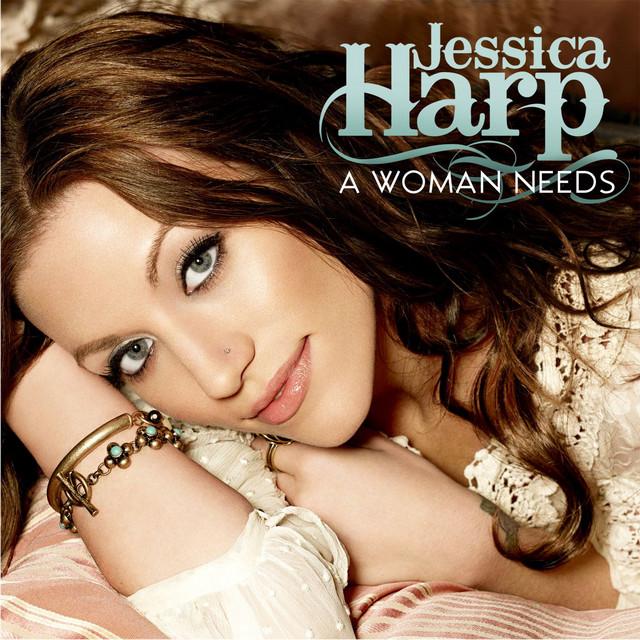
Jessica Harp

Country
Contemporary Country
Mainstream Pop
 Viberate Rank: 226323
 Viberate Rank: 226323
 Monthly ListenersFollowers
 Subscribers
 Followers
 Followers
 FansTop Spotify Songs
| Track | 7-Day Streams | |
|---|---|---|
1 | 924 | |
2 | 64 | |
3 | 54 | |
4 | 26 | |
5 | 26 |
Top YouTube VideosMonthly ListenersFeatured in Playlists| Playlist | Followers | |
|---|---|---|
1 |  Blue Country💙 Jordycray | 4.70K |
2 |  Trucking Sondre Eek | 4.30K |
3 | Roadtrip Country Jacquelyn Syndergaard | 4.24K |
4 | Women of Country Spotify | 3.97K |
5 |  Millennial Sleepover w/ Rod Kim Rod Kim | 2.93K |
Audience| City | Monthly Listeners | |
|---|---|---|
1 | | 50 |
2 |  | 48 |
3 | | 44 |
4 | | 44 |
5 | | 43 |
See full performance history, audience data, playlist activity, rankings, comparisons, and more in Viberate music analytics. Start with a free trial, then continue with a paid plan.
Jessica Harp’s Spotify BioBest known for being one half of the country roots duo the Wreckers with friend Michelle Branch, Jessica Harp put music at the center of things from a very early age. Born on February 3, 1982 in Kansas City, MO, Harp was already singing by the age of three, writing song lyrics by the age of eight, and playing guitar by the time she was 13. Music was inclusive for Harp, and in 2002 she released an independent solo album called Preface, which unfortunately didn't make much of a stir. While working as a singer and songwriter in Nashville, Harp began singing backup for Branch, and when Branch opted to take a break from her solo career in 2004, joined her in the duo the Wreckers. Harp's country edge meshed nicely with Branch's pop approach, and the Wreckers were a success from day one. A debut album, Stand Still, Look Pretty, appeared in 2006 from Maverick Records, followed by a live set, Way Back Home: Live from New York City, a year later in 2007. That same year, Harp and Branch announced… that they were putting the Wreckers on hold and concentrating on solo projects. Harp married Jason Mowery, the Wreckers' fiddle player, in 2008. Her solo project, A Woman Needs, produced by Jerry Flowers and featuring Vince Gill and Keith Urban in guest spots, appeared in 2009 from Warner Bros. Nashville. ~ Steve Leggett, Rovi
Viberate is a music analytics platform built for A&Rs, artist managers, labels, booking agents, marketers, and artists.
It helps music professionals track artist growth, analyze audience data, monitor playlist activity, compare artists, follow song performance, and identify opportunities across the music market.
Public artist pages provide a free preview of selected artist data. Paid plans provide access to deeper analytics, historical data, charts, comparisons, playlist tools, exports, alerts, reports, and additional professional features.
Yes. Public Viberate artist pages provide selected artist analytics and music data for free.
Viberate also offers a 7-day free trial of the full platform. A credit card is required to start the trial. The trial includes access to the complete product so users can test deeper artist analytics, historical views, playlist insights, comparisons, charts, exports, alerts, and reporting features before choosing a paid plan.
Viberate provides artist analytics across streaming, playlists, social media, video, radio airplay, songs, and audience markets.
Users can analyze Spotify performance, Spotify and Apple Music playlists, YouTube activity, TikTok and Instagram growth, radio spins, song performance, audience locations, demographics, rankings, and overall artist momentum.
Artist profiles also connect to music charts, similar artists, and comparison tools, helping users benchmark performance and evaluate artists in context.
Viberate updates key artist and track data daily.
For followed artists and tracks, selected data is refreshed multiple times per day. This helps teams monitor playlist changes, streaming movement, audience growth, releases, and campaign performance with more current data.
Update frequency can vary depending on the metric and data source.
Yes. Viberate lets users compare up to five artists side by side across streaming, social media, audience, and engagement metrics.
Users can compare fanbase growth, audience demographics, locations, Spotify performance, social metrics, and other artist data over selected time periods.
Artist comparison can be used for A&R scouting, benchmarking, booking decisions, campaign planning, and evaluating artists with similar audiences or market positions.