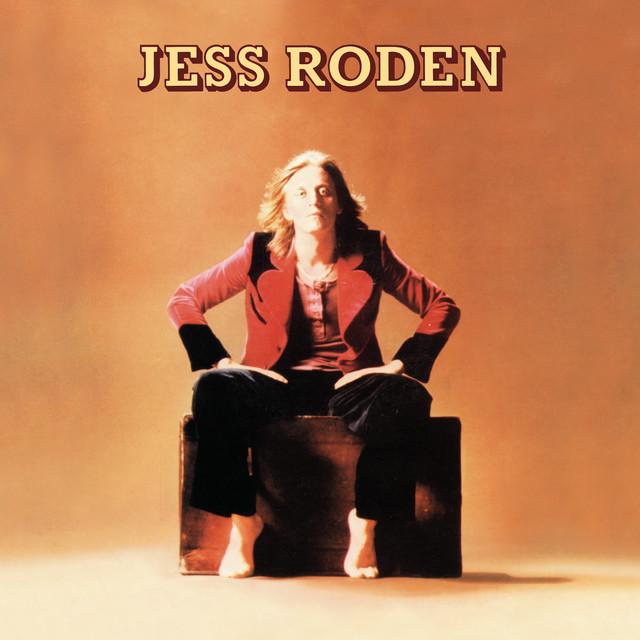
Jess Roden

Rock
Pop Rock
 Viberate Rank: 432464
 Viberate Rank: 432464
 Monthly ListenersFollowers
 Subscribers
 Followers
 Followers
 FansTop Spotify Songs
| Track | 7-Day Streams | |
|---|---|---|
1 | 61 | |
2 | 46 | |
3 | 33 | |
4 | 32 | |
5 | 31 |
Top YouTube VideosMonthly ListenersFeatured in Playlists| Playlist | Followers | |
|---|---|---|
1 |  YACHT ROCK - CERTIFIED PLAYLIST jdryznar | 15.94K |
2 |  The Sky Is Crying 🌧 Don's Tunes | 14.87K |
3 |  Midnight Jazz Bar 🍸 by Don's Tunes Don's Tunes | 11.61K |
4 | Mojo Club - Dancefloor Jazz vol 1, 2, 3, 4, 5, 6...13 Youssef gharioui | 4.39K |
5 | Alvin Lee — The Bluest Blues lhbnvds | 3.28K |
Audience| City | Monthly Listeners | |
|---|---|---|
1 | | 32 |
2 | | 11 |
3 |  | 10 |
4 | | 8 |
5 | | 8 |
See full performance history, audience data, playlist activity, rankings, comparisons, and more in Viberate music analytics. Start with a free trial, then continue with a paid plan.
Jess Roden’s Spotify BioSinger/guitarist Jess Roden was born in Kidderminster in England's West Midlands, and his first band was the Shakedown Sounds. In 1967, he joined the Alan Bown Set as their new lead singer. Although their records never charted nationally, he did pick up a fandom in London (and belatedly became something of a star on the Northern Soul scene) with the release of their single "Emergency 999." He remained with the Bown group through 1970, after which he formed the band Bronco, and later worked on Wildlife, the third Mott the Hoople album, and with Keef Hartley on the album Lancashire Hustler. In the mid-'70s, he teamed up with ex-Doors John Densmore and Robby Krieger in the Butts Band, and sang on their first album. Roden finally emerged as a solo artist in his own right in the mid-'70s on Island Records, with his 1974 self-titled solo album, which was cut in New Orleans and included Allen Toussaint and Art Neville on keyboards. His albums throughout the '70s got great reviews but he never… saw any significant sales; in between his own work, he managed to sing and play on albums by Carol Grimes, Jim Capaldi, Stomu Yamashta, Sandy Denny, and Grace Jones. He was with the group Rivits on Island for one album at the outset of the '80s. ~ Bruce Eder, Rovi
Viberate is a music analytics platform built for A&Rs, artist managers, labels, booking agents, marketers, and artists.
It helps music professionals track artist growth, analyze audience data, monitor playlist activity, compare artists, follow song performance, and identify opportunities across the music market.
Public artist pages provide a free preview of selected artist data. Paid plans provide access to deeper analytics, historical data, charts, comparisons, playlist tools, exports, alerts, reports, and additional professional features.
Yes. Public Viberate artist pages provide selected artist analytics and music data for free.
Viberate also offers a 7-day free trial of the full platform. A credit card is required to start the trial. The trial includes access to the complete product so users can test deeper artist analytics, historical views, playlist insights, comparisons, charts, exports, alerts, and reporting features before choosing a paid plan.
Viberate provides artist analytics across streaming, playlists, social media, video, radio airplay, songs, and audience markets.
Users can analyze Spotify performance, Spotify and Apple Music playlists, YouTube activity, TikTok and Instagram growth, radio spins, song performance, audience locations, demographics, rankings, and overall artist momentum.
Artist profiles also connect to music charts, similar artists, and comparison tools, helping users benchmark performance and evaluate artists in context.
Viberate updates key artist and track data daily.
For followed artists and tracks, selected data is refreshed multiple times per day. This helps teams monitor playlist changes, streaming movement, audience growth, releases, and campaign performance with more current data.
Update frequency can vary depending on the metric and data source.
Yes. Viberate lets users compare up to five artists side by side across streaming, social media, audience, and engagement metrics.
Users can compare fanbase growth, audience demographics, locations, Spotify performance, social metrics, and other artist data over selected time periods.
Artist comparison can be used for A&R scouting, benchmarking, booking decisions, campaign planning, and evaluating artists with similar audiences or market positions.